What Is a Shear Press and How Does It Work?
A shear press is a machine designed to cut sheet material by applying force along a narrow line. Depending on its design, it may use mechanical or hydraulic power to move a blade against a fixed blade or cutting edge. The material is held in place, the upper blade descends, and the opposing edges separate the sheet. The result can be a straight cut, a trimmed edge, or a blank shaped for later work.
The motion looks simple. The setup is not. Blade clearance, material thickness, and hold-down pressure all affect cut quality. If the gap is poorly matched to the stock, the edge may show burrs, distortion, or excessive wear. Operators therefore check the machine’s specifications and adjust it for the material rather than relying on force alone. A clean cut matters.
This guide explains the main parts of a shear press, how its cutting cycle works, and where the machine is commonly used. It also outlines practical factors such as capacity, accuracy, and routine inspection. These details help readers understand what a press can—and cannot—do. One point deserves careful thought: a machine that appears powerful is not automatically suitable for every sheet or production task. Safe operation depends on proper training, intact guards, and following the manufacturer’s instructions. The basics are useful, but the exact setup always matters.
Definition and Purpose of a Shear Press
A shear press is a machine that cuts sheet material by forcing a moving blade past a fixed blade. The two edges create a shearing action, separating the stock without producing chips like a saw. It is commonly used for metal sheets, plates, and similar flat materials.
A clean cut.
The machine’s main purpose is to make straight, repeatable cuts at a chosen length or angle.
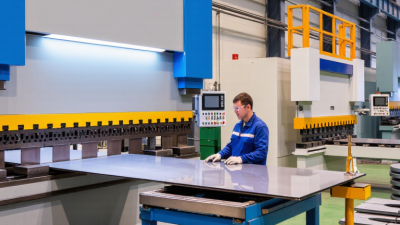
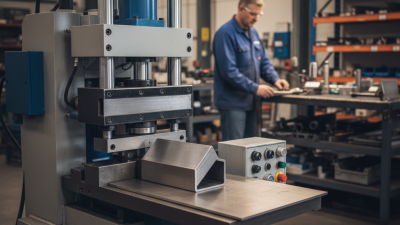
In a typical setup, an operator positions the sheet against a back gauge, then secures it with a hold-down. The blade descends, cuts across the material, and returns to its raised position. Hydraulic and mechanical systems can provide this force, depending on the press design.
Blade clearance matters: too wide can leave a rough edge, while too narrow may increase wear. Material thickness and type also affect the settings.
Shear presses are useful for preparing blanks before bending, forming, or assembly. They can handle repeated cuts quickly, but accuracy still depends on setup and maintenance. A worn blade may leave burrs or distort a thin edge.
That detail is easy to overlook.
Operators should check the work area, use guards as designed, and follow the machine’s operating instructions. Not every cut will look perfect; small adjustments may be needed between materials.
Key Components and Their Functions
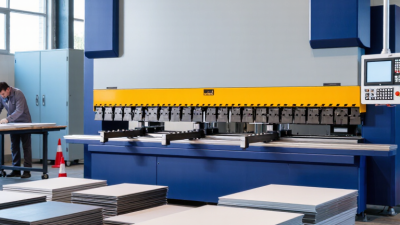
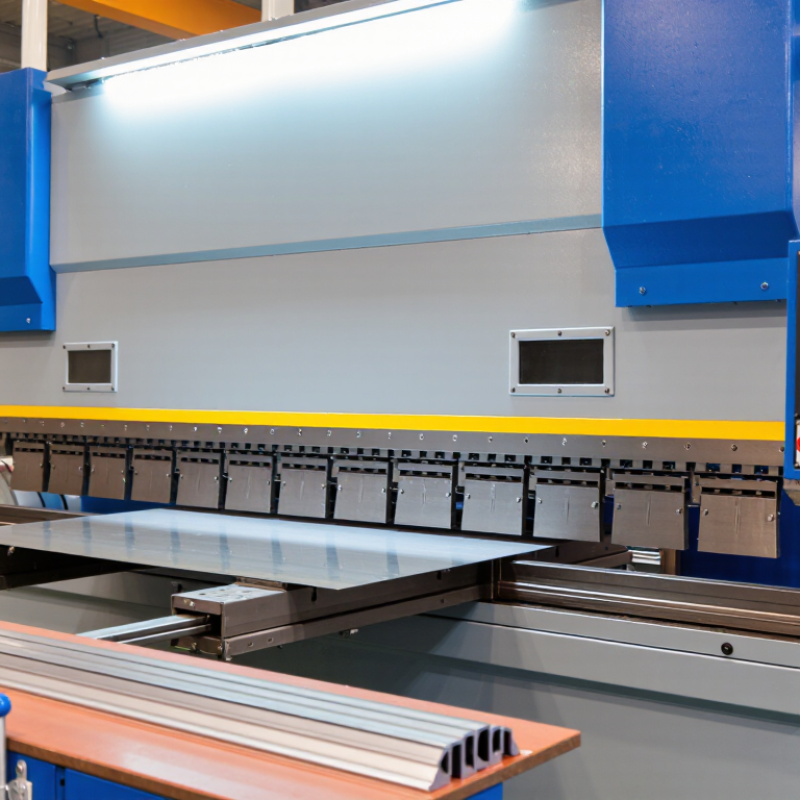
A shear press uses a rigid frame to support the cutting force. Its bed holds the sheet metal flat, while a moving blade travels past a fixed lower blade. The clearance between these blades affects the cut edge; incorrect settings can leave burrs or distort thin stock. A hold-down clamp presses the material against the bed before cutting. It helps prevent shifting, though setup still matters.
The drive system moves the blade, using hydraulic pressure or a mechanical linkage, depending on the machine. Controls set the stroke and operating mode, while guards and interlocks help limit access to the cutting area. During a cut, the operator positions the sheet against a guide, secures it, and activates the cycle. The blade then shears through the material. Small details count. A clean edge is not guaranteed by the machine alone; blade condition and material thickness matter too.
Tips: Check blade clearance and clamp pressure against the machine manual and material specifications. Keep hands outside the cutting zone, and inspect the cut edge during setup. Even a tidy setup can miss a worn blade.
How a Shear Press Performs a Cut
A shear press cuts sheet metal through a controlled shearing action. The sheet rests on a lower blade or die, while a moving upper blade travels downward. A hold-down keeps the material from shifting during the stroke. The blade edges concentrate force along a narrow line. Metal bends slightly, then cracks and separates. The offcut drops away. No saw teeth are needed.
Blade clearance matters. Too much clearance can leave a rough edge or large burr; too little can increase force and wear. The exact setting depends on material type and thickness, so operators check the machine guidance and test setup before production. The cut edge is not always perfect. That detail deserves attention.
Tips: Keep the sheet flat against its guides, and check that the cutting area is clear. Use guards and follow the machine’s operating instructions. Never reach into the blade area during a stroke.
A clean cut also depends on sharp, aligned blades and steady material support. Inspect sample pieces for burrs, distortion, or an uneven edge. If defects appear, stop and review the setup rather than assuming the next cut will improve.
Common Types and Industrial Applications
A shear press separates sheet or plate metal by forcing it between a moving blade and a fixed blade. The machine clamps the workpiece, then applies enough force to create a controlled fracture along the cut line. The cut is clean. Blade clearance and alignment affect edge quality, while a backgauge helps position repeatable cuts.
Common types include hydraulic guillotine shears, mechanical shears, swing-beam shears, and alligator shears. Hydraulic models provide controlled cutting force and suit varied thicknesses. Mechanical presses can cycle quickly, but need careful setup and guarding. Swing-beam designs move the blade through an arc, while alligator shears use hinged blades for cutting bars, scrap, or bulky pieces. Setup matters. A small clearance error may leave a rough edge or burr.
In fabrication shops, guillotine shears cut panels for HVAC ducts, electrical enclosures, and appliance housings. Automotive suppliers use shearing to prepare blanks for later forming. Recycling facilities may use heavy-duty shears to reduce metal offcuts into manageable pieces. Operators should match blade condition, material thickness, and press capacity before cutting. A cut edge can still need deburring; calling every result “finished” is a bit optimistic.