How to Choose a Hydraulic Press Brake in 2026?
Choosing a hydraulic press brake in 2026 requires more than comparing tonnage and purchase prices. The right machine must match your materials, bend lengths, production rhythm, tooling, and operator skill. A 100-ton model may handle ordinary mild steel, yet struggle with long, thick plates or demanding stainless-steel work. Small details matter.
Steve Benson, a widely recognized press brake educator and former Fabricators & Manufacturers Association columnist, has said, “The press brake is the heart of the fabricating shop.” His observation remains practical. When the brake is inaccurate, slow, or difficult to set up, delays spread across cutting, welding, inspection, and delivery.
This guide examines the decisions that deserve careful attention. It considers tonnage, working length, ram stroke, throat depth, crowning, backgauging, control systems, tooling compatibility, and energy efficiency. It also looks beyond the machine brochure. Service response, spare-parts access, training, software support, and operator safety can shape ownership costs for years.
Do not trust impressive specifications alone.
A press brake with advanced automation may reduce setup time, but it can exceed the needs of a small job shop. Conversely, a cheaper machine may create hidden expenses through inconsistent bends, manual adjustments, and frequent downtime. The honest answer is less comfortable: there is no universal “best” hydraulic press brake. The best choice depends on real workpieces, not optimistic production forecasts.
Bring sample drawings, material certificates, and tooling requirements when comparing suppliers. Ask for a live bending demonstration. Measure the finished angle, repeatability, setup time, and operator experience. One overlooked test can change the decision. This article provides a grounded framework for selecting equipment with confidence, while recognizing that even careful buyers may revise their assumptions after production begins.
Define the Press Brake’s Role in Your Manufacturing Process
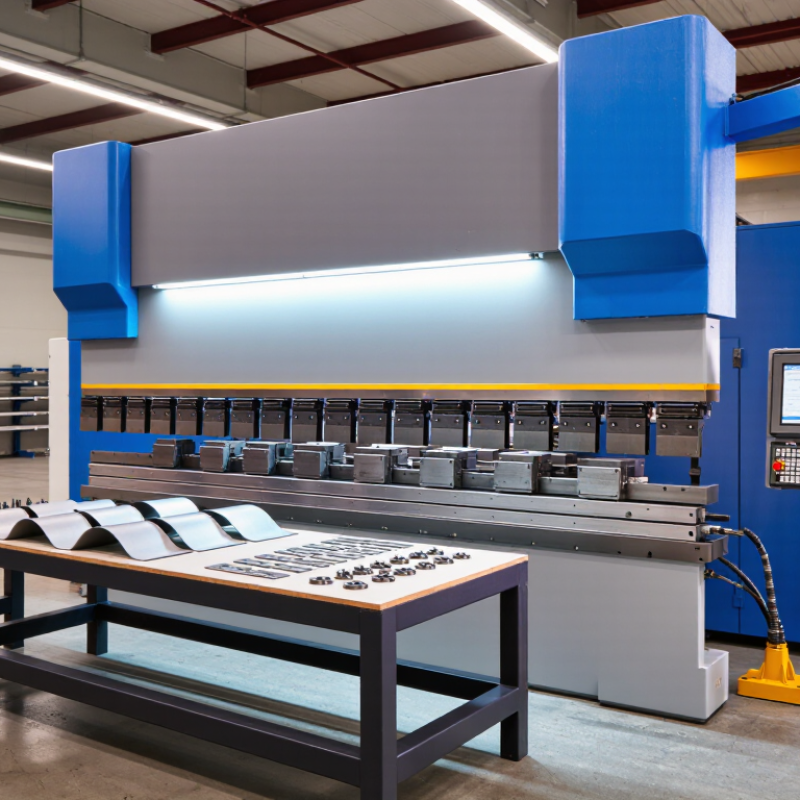
A hydraulic press brake should serve a defined manufacturing role, not simply fill a machinery budget. Start by studying your daily workpieces. Record material type, thickness, bend length, angle accuracy, and batch size. A machine bending three-metre steel panels needs different capacity from one forming small stainless brackets.
The production process matters equally. Check how often operators change tooling, reposition sheets, and correct springback. These steps can consume more time than the actual bend. In practice, many workshops overestimate tonnage and underestimate setup losses. I would question that choice carefully. Higher capacity is not always better. It may increase energy use, floor space, and operator handling demands. A suitable control system should support repeatable angles without making programming unnecessarily complicated. Safety features, service access, and training requirements also affect real productivity.
Tips: Observe one complete shift before choosing. Measure idle time, tool-change frequency, and rejected bends. Compare the press brake’s working range with your current orders and likely growth. Leave room for unusual jobs, but do not design the entire purchase around rare exceptions. A practical trial bend can reveal more than a specification sheet. Record the results. Recheck them.
Match Bending Capacity to Material, Thickness, and Part Size
Choosing a hydraulic press brake in 2026 starts with the part, not the machine. World Steel Association’s World Steel in Figures 2024 reports 1.89 billion tonnes of crude steel production in 2023. Aluminum demand also remains significant; the International Aluminium Institute reported about 70.6 million tonnes of primary aluminum output that year. These materials bend differently. Steel usually needs more force, while aluminum can mark easily under narrow tooling.
Calculate required tonnage from material strength, thickness, bend length, and die opening. A practical workshop estimate uses tonnage per metre, then adds a safety margin of 20% to 30%. For example, a 3,000 mm bend in 6 mm mild steel may require roughly 180 to 240 tonnes, depending on the V-opening and tensile strength. Do not select capacity by thickness alone. Part width matters too. A small machine may bend the sheet but lack enough throat depth or daylight for the finished component.
Check the longest bend, the heaviest blank, and the most demanding material in your regular workload. ASTM A36 steel and 6061-T6 aluminum can have very different springback behavior, even at similar thicknesses. Wider dies reduce force but may increase the inside radius. Narrow dies concentrate pressure and can leave marks. I have seen capacity calculations fail because operators ignored tooling wear and actual material variation. That mistake is expensive. Leave room for uncertainty, but avoid buying excessive tonnage that reduces flexibility and raises operating costs.
Compare Machine Types, Control Systems, and Automation Features
How to Choose a Hydraulic Press Brake in 2026?
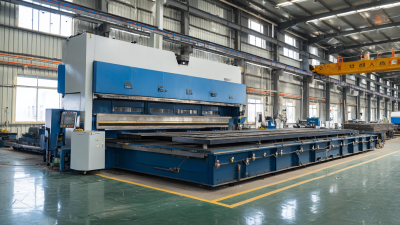
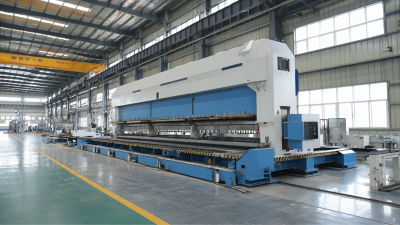
Choosing a hydraulic press brake starts with the workpiece, not the brochure. Check material thickness, bend length, and required tonnage from real production samples. Standard machines suit varied job-shop work. Tandem machines handle long panels but require more floor space. For thin sheet, excessive tonnage can reduce control and waste energy.
The control system affects daily accuracy. A modern CNC interface should manage bend sequences, tooling layouts, and angle compensation. 3D simulation helps detect collisions before metal reaches the machine. Automatic crowning supports consistent bends across wider plates. Add rear-gauge sensors for repeatable positioning. Robotic loading and unloading can improve output, but only when batch sizes justify integration. Automation is not always better. Complex programming may slow occasional custom work.
Tips: Ask for a test bend using your own material. Measure the angle at several points. Review setup time, operator training, and maintenance access. Do not rely only on advertised precision. Real results can change with temperature, tooling wear, and material variation. Leave capacity for future work, but avoid buying unused features. A simple system may perform better when operators need quick adjustments.
Assess Total Cost, Supplier Support, and Long-Term Value
In 2026, a hydraulic press brake should be judged beyond its purchase price. I have seen low bids become expensive after one leaking seal or an unavailable valve. Ask for a five-year cost picture, including energy, tooling, oil, maintenance, training, and downtime. Request realistic cycle data, not only showroom speed. A machine forming 6 mm steel for eight hours may consume more power than a brief demonstration suggests. Measure output per part, setup time, and rejected pieces.
Supplier support often decides whether production continues on a difficult Monday. Confirm response times in writing. Ask who diagnoses electrical and hydraulic faults, and where common parts are stocked. A useful supplier provides manuals, wiring diagrams, operator training, and maintenance schedules for your exact configuration. Speak with users running similar materials and batch sizes. Their experience may reveal small issues, such as confusing alarms or slow tooling changes. Do not accept vague promises.
Long-term value also depends on control software, frame stability, guarding, accuracy, and upgrade options. Check repeatability with your own drawings and preferred sheet thickness. Inspect weld quality, hose routing, filter access, and calibration records. These details affect technician hours for years. I would reserve money for unexpected repairs. Ignoring that cost is a common planning mistake. An attractive quote can still be wrong. Review warranty exclusions, installation scope, and resale assumptions carefully. A higher price may repay itself through fewer stoppages, but only when the evidence is measurable.