What Is the Best Hydraulic Metal Brake Press?
Choosing the best hydraulic metal brake press depends on more than tonnage or price. A reliable machine must match your materials, production volume, bend length, and workshop space. Thick steel may require high pressing force, while thin aluminum demands careful control and accurate tooling. Bigger is not always better.
This guide examines the practical details experienced fabricators consider before buying. We will compare hydraulic power, frame rigidity, stroke depth, back gauge accuracy, die compatibility, and control systems. Safety features also deserve close attention, including emergency stops, guarding, and stable foot controls. A trustworthy manufacturer should provide clear specifications, service support, training resources, and realistic performance data. Ask for test bends using your actual material. Brochures can hide limitations.
The best hydraulic metal brake press should produce repeatable angles without excessive setup time. It should also remain stable during long production shifts. Maintenance access matters when filters, seals, or hydraulic oil need inspection. Some low-cost machines appear attractive, but inconsistent calibration can create expensive scrap. That lesson is easy to underestimate. Buyers should review customer feedback, request references, and examine sample work before committing. No machine is perfect. Even a well-built press may need tooling adjustments or operator training. A careful evaluation leads to a safer, more productive, and more defensible investment.
What Is a Hydraulic Metal Brake Press?
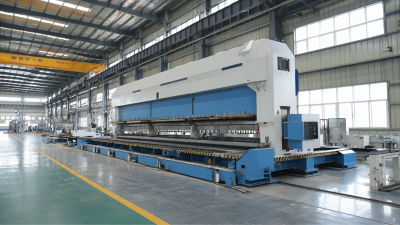
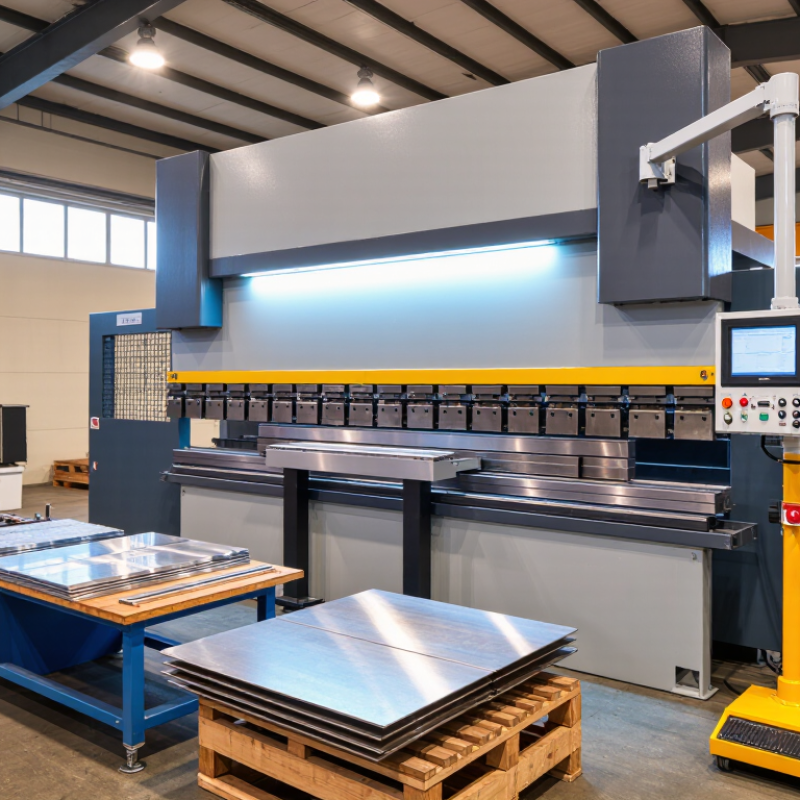
A hydraulic metal brake press is a machine that bends sheet metal with controlled force. It uses hydraulic cylinders to move a ram downward against a lower die. The sheet sits between these tools, and the ram creates a precise bend. Pressure does the work. The operator controls force, stroke depth, and bending speed through a hydraulic system. This design handles steel, stainless steel, aluminum, and other workable metals.
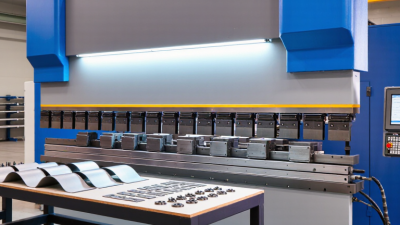
The main parts include the frame, hydraulic cylinders, ram, punch, die, back gauge, and control panel. The punch pushes the sheet into the die, while the back gauge helps position each workpiece consistently. Before bending, an operator checks material thickness, grain direction, die opening, and required angle. A small setup error can change the finished dimension. Measuring the first piece is essential.
In practical workshops, hydraulic machines are useful for thick plates and repeated forming jobs. They usually provide steady force across the work area. However, they are not automatically accurate. Worn tooling, uneven pressure, or incorrect calculations can create angle variation. I have found that real results sometimes differ from the screen settings. That deserves attention. Operators should inspect guards, emergency controls, hoses, and tooling before production. Clean oil, aligned tools, and careful setup improve reliability, but experience still matters.
What Is the Best Hydraulic Metal Brake Press?
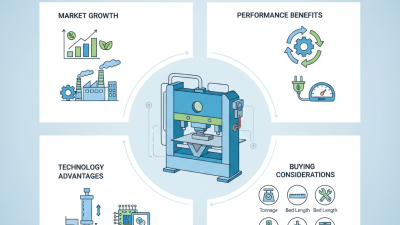
The best hydraulic metal brake press depends on material thickness, bend length, and required forming force. The chart compares representative press brake configurations by nominal force and working length.
Larger machines provide greater bending capacity, but selecting a press with excessive tonnage can increase cost, energy use, and tooling requirements. Match the machine’s force and working length to the thickest and widest material you regularly process.
How Does a Hydraulic Metal Brake Press Work?
What Is the Best Hydraulic Metal Brake Press?
A hydraulic metal brake press bends sheet metal by applying controlled force through a moving ram. Its main parts include hydraulic cylinders, a pump, valves, a punch, and a die. The operator places the sheet between the tooling and sets the bend angle. When the pump sends pressurized oil into the cylinders, the ram moves downward. The punch then presses the metal into the die.
Pressure creates the bending force. The machine’s tonnage must match the material type, thickness, bend length, and tooling width. A pressure-control valve helps prevent overload and improves repeatability. Many machines also use a back gauge, which positions each sheet at a measured distance. That small detail matters during production. Even a few millimeters can change the final part.
The best press is not always the largest one. In practical shop work, accurate controls, rigid framing, reliable seals, and accessible maintenance often matter more. I check the ram’s alignment and inspect hoses before serious bending. The first bend is rarely perfect. Metal springs back after pressure is released, so I adjust the angle slightly and test again. This hands-on correction remains necessary, even with modern control systems.
Which Specifications Determine Press Brake Performance?
What Is the Best Hydraulic Metal Brake Press?
Which Specifications Determine Press Brake Performance?
A hydraulic metal brake press performs well when its specifications match the work, not when its tonnage looks impressive. Tonnage determines the maximum bending force, while bed length limits the part width. A longer throat depth supports deeper boxes and channels. Stroke length and daylight opening affect how easily operators position tall workpieces. Backgauge accuracy also matters. In daily production, a small positioning error can create visible gaps between parts. I have found that repeatability often matters more than maximum capacity.
Tips:
Check the required tonnage with a safety margin. Confirm material thickness, tensile strength, bend length, and tooling before choosing the machine. A strong frame reduces deflection across the bed. Laser or mechanical angle measurement can improve consistency, but it cannot correct poor setup.
Hydraulic system stability influences speed, pressure control, and long-term reliability. Look for smooth ram movement, responsive valves, and accessible service points. A programmable control simplifies repeated bends, especially when several angles share one batch. However, advanced controls do not replace operator skill. I once underestimated tooling flexibility and blamed the machine for inconsistent angles. The real problem was setup. That mistake still shapes how I evaluate press brakes: specifications must be tested with actual material, tooling, and production routines.
How to Choose the Best Hydraulic Metal Brake Press?
What Is the Best Hydraulic Metal Brake Press?
How to Choose the Best Hydraulic Metal Brake Press?
Choosing a hydraulic metal brake press starts with the work, not the machine’s advertised size. Measure your usual material thickness, width, bend angle, and metal type. Mild steel, stainless steel, and aluminum require different force levels. A press with extra tonnage gives useful capacity, but excessive size can increase cost and energy use.
Check the frame rigidity, hydraulic stability, ram stroke, and throat depth carefully. A rigid frame helps maintain consistent bends across long sheets. The back gauge should move accurately and hold its position during repeated work. Look for clear controls, emergency stops, guarding, and practical access to tooling. Safety should support production, not slow it unnecessarily. Ask whether replacement seals, filters, and technical service are available locally.
I once assumed a larger press would solve every bending problem. It did not. The tooling and setup were equally important. Choose tooling that matches your common profiles, especially narrow channels and return bends. Review the machine’s repeatability under real shop conditions, not only brochure figures. Run sample bends if possible, then inspect angle consistency, surface marks, and noise from the hydraulic system. A small measurement error can become expensive across hundreds of parts. Leave room for future work, but avoid paying for capacity you may never use.