What Is an Affordable Smartwatch?
An Affordable Smartwatch is not simply the cheapest wearable on a store shelf. It is a watch that offers useful everyday features at a price that fits your budget. These may include step counting, basic heart-rate tracking, phone notifications, sleep estimates, and a battery that lasts through several days. The exact mix varies by model, so check the feature list before comparing prices. Small details matter.
For example, a bright display can be easier to read outdoors, while a clear companion app makes health trends simpler to follow. Yet low-cost watches may use less accurate sensors, limited materials, or fewer software updates. Battery life also changes with screen brightness, GPS use, and notification settings. A low price alone tells you little. Check independent reviews, warranty terms, phone compatibility, and whether the manufacturer explains how it handles your data. Health readings can be useful for noticing patterns, but they are not medical diagnoses. That distinction is easy to overlook.
The right choice depends on how you will wear it. Someone who wants reminders and daily activity estimates may not need advanced training tools or onboard GPS. A runner, by contrast, might value reliable location tracking more than extra watch faces. Be honest about what you will use. I would not treat every advertised metric as equally dependable; some numbers need context, and budget models can be inconsistent. An Affordable Smartwatch can still be a practical companion, provided its limits are clear and its core features work well for your needs.
Definition and Price Range of an Affordable Smartwatch
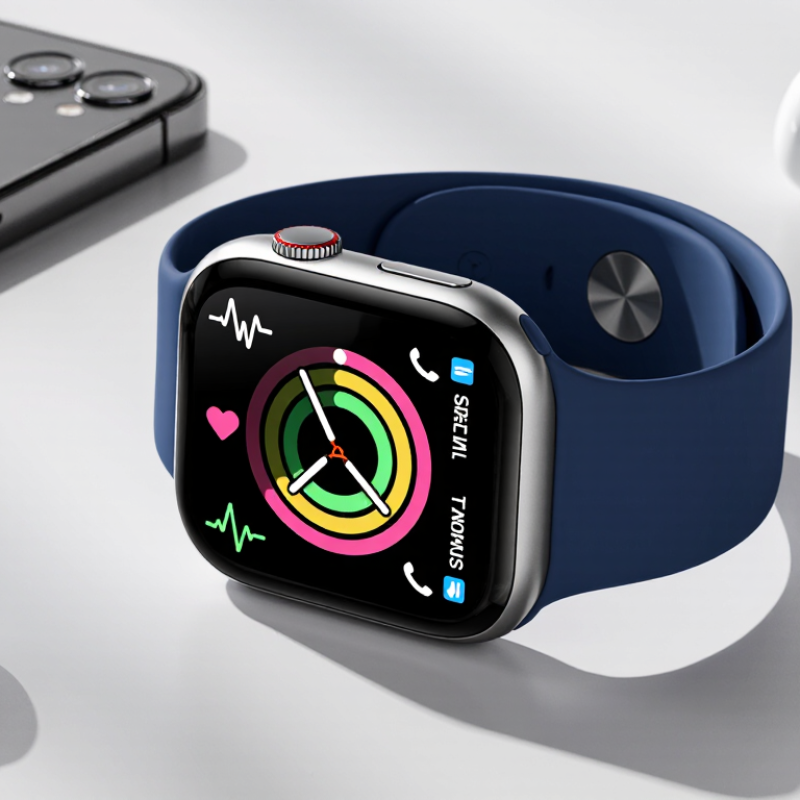
An affordable smartwatch is a wrist-worn device that handles everyday basics without the cost of a premium model. It may show notifications, count steps, record workouts, and track sleep. In the United States, a practical price range is roughly $30 to $150, though local taxes, sales, and regional pricing can shift it. The boundary is a little messy.
Models near $30 to $60 often cover the essentials, but screens may be dimmer, materials simpler, and health readings less consistent. Around $60 to $150, shoppers can often expect a brighter display, more workout options, and a sturdier build. Still, a higher price does not guarantee better accuracy. Check whether the watch works with your phone, how often it needs charging, and whether its key features require an extra subscription. A small detail matters: a watch that lasts several days may be more useful than one with a fancier screen that needs nightly charging. I would treat sleep and wellness readings as helpful estimates, not medical measurements. And specs can disappoint.
What Is an Affordable Smartwatch? — Definition and Price Range of an Affordable Smartwatch | Category | Typical U.S. Price Range | What to Expect |
| Basic budget smartwatch | Under $50 | Usually offers step counting, basic activity tracking, notifications, and simple sleep estimates. Feature availability and accuracy can vary considerably. |
| Affordable smartwatch | $50–$150 | A practical everyday option that commonly includes a touchscreen, smartphone notifications, workout modes, heart-rate tracking, and several days of battery life. |
| Upper-affordable range | $150–$250 | May add built-in satellite positioning, more advanced health and fitness features, improved displays, or broader app support. The exact feature set varies by device. |
| Working definition | Generally $50–$150 | An affordable smartwatch is a wearable that provides useful everyday smart and fitness functions at a relatively low upfront price, without the premium materials or advanced features found on higher-priced models. |
| Common essentials | Included in many models | Time and date, step and activity tracking, phone notifications, timers, and basic workout recording. Some features may require a compatible phone or app. |
| Features to check before buying | Depends on the model | Phone compatibility, battery life, water-resistance rating, GPS availability, notification support, and whether health measurements are intended for general wellness rather than medical use. |
| Price note | Prices are approximate | Ranges describe typical U.S. retail pricing before tax. Promotions, region, availability, and included accessories can change the final price. |
Core Features Commonly Found in Budget Smartwatches
An affordable smartwatch usually covers daily essentials rather than advanced training analysis. IDC reported that global wearable-device shipments reached 534.6 million units in 2024, a 6.1% year-over-year increase. That broad market includes many device types, but it shows how routine wearable tracking has become.
Common budget-watch features include step counts, workout timers, basic heart-rate readings, sleep estimates, and phone notifications. A quick glance at your wrist can show a message while you’re carrying groceries or walking to a bus stop.
Some models also offer blood-oxygen estimates, menstrual-cycle logs, or built-in GPS, though availability varies. Many rely on a connected phone for location tracking, so outdoor routes may be less convenient without it. Check whether the watch works with your phone and whether its companion app explains data clearly. Look for battery-life claims under typical use, not just standby figures.
Useful, not magical.
Wrist sensors can be affected by loose fit, movement, and skin contact, so treat readings as estimates rather than medical measurements. Sleep scores can also miss a restless night’s details. A bright screen, readable text, and physical buttons may matter more than a long feature list when checking the time outdoors or during exercise.
Factors That Influence Smartwatch Affordability
What Is an Affordable Smartwatch?
Factors That Influence Smartwatch Affordability
Affordability depends on what you need, not just the price on the box. A lower-cost watch may cover step counting, notifications, and basic sleep tracking. A brighter screen, built-in location tracking, and more sensors can raise the price. Ask which features you will use each week. Paying for tools that stay untouched is still paying too much.
Materials and battery life affect value, too. A lightweight plastic case may cost less than a metal one, while a bright display can need more frequent charging. Check how the watch works with your phone before buying; limited compatibility can make useful features awkward or unavailable. Small details add up. So do replacement bands and charging cables.
Consider the full cost over time. Some watches offer core functions without extra fees, while certain services may require a subscription. Look for a clear warranty, accessible support, and repair options. A very low price can be tempting, but unclear durability makes the savings harder to judge. Even a careful comparison can miss a detail, so read the specifications and return terms before deciding.
Trade-Offs Between Low Cost and Performance
An affordable smartwatch usually covers the essentials: step counting, basic heart-rate readings, phone notifications, and simple workout tracking. The trade-off often appears in consistency, not appearance. A bright screen may look crisp indoors but become hard to read beneath noon sunlight. Optical heart-rate sensors can also lag during intervals or lose contact when a loose strap shifts on a sweaty wrist. Useful, but not medical equipment.
Battery life is another compromise. Frequent notifications, always-on displays, and continuous GPS tracking can drain a small battery much faster than product estimates suggest. Check whether the watch supports the phone you already use, and look for clear details about water resistance and replacement straps. A lower price may mean fewer third-party apps, limited payment features, or software updates that arrive less often. Those omissions matter less if you mainly want alarms and daily activity totals. Still, inexpensive devices can overcount steps during chores; a reading is not a verdict. It is easy to trust a neat chart too much. Before buying, compare real-world battery reports and sensor limitations, not just the feature list.
What Is an Affordable Smartwatch? Trade-Offs Between Low Cost and Performance
Battery life is one practical way to compare cost and convenience. Affordable models can offer several days between charges, while feature-rich smartwatches often need daily charging.
Representative advertised battery-life estimates, not controlled test results. Actual runtime varies with screen settings, GPS use, notifications, and other features.
How to Choose an Affordable Smartwatch for Your Needs
An affordable smartwatch should solve a daily problem, not imitate an expensive model. Decide what you will actually use: step tracking, workout timing, message alerts, or sleep estimates. The American College of Sports Medicine’s 2024 Worldwide Survey of Fitness Trends ranked wearable technology as the top fitness trend. That popularity makes it easy to overbuy. A clear screen, comfortable strap, and simple menus may matter more than dozens of rarely used features.
Check compatibility with your phone before comparing prices. Then look closely at battery life, charging time, water resistance, and whether core tracking works without a paid subscription. For example, imagine checking a walking route outdoors: screen brightness and readable numbers matter more than decorative watch faces. Research published in the Journal of Personalized Medicine in 2017 tested wrist-worn devices and found that heart-rate estimates were generally more reliable than calorie-burn estimates. Treat calorie counts as rough guidance. Not a diagnosis. I still find sleep scores persuasive, though one restless night can make them feel oddly precise.
Set a spending limit that includes replacement straps or a charging cable. Read independent reviews for complaints about syncing, button response, and battery decline after regular use. A low price is less useful if the watch needs daily charging or hides basic records behind a subscription. Consider which numbers you will check after a month, not just on the first day. One feature may be enough.