Top 10 LP207 Pillow Block Bearing Suppliers for Buyers
Selecting a dependable supplier for an Lp207 Pillow Block Bearing takes more than comparing listed prices. Buyers need to confirm dimensions, housing material, insert type, lubrication details, and fit for the intended shaft. Small differences can affect installation or service life. Check the product drawing, not just the headline description.
Price matters. So does traceability. A clear quotation should identify the exact model and state what is included, such as seals, set screws, or packaging. Ask about stock status, lead time, inspection records, and support for technical questions. These details help distinguish a capable supplier from a listing that simply looks complete. Even then, information may be missing. Request clarification before ordering.
This guide reviews ten LP207 pillow block bearing suppliers through practical buyer considerations, including product range, documentation, communication, and purchasing support. It is not a guarantee that one supplier suits every application. Operating conditions, order volume, location, and required delivery dates all matter. A supplier with an attractive price may not be the best choice if specifications are unclear or samples are unavailable. Compare evidence carefully, and verify critical dimensions with your equipment requirements. That step is easy to overlook. It can prevent an avoidable mismatch.
Understanding the LP207 Pillow Block Bearing and Its Applications
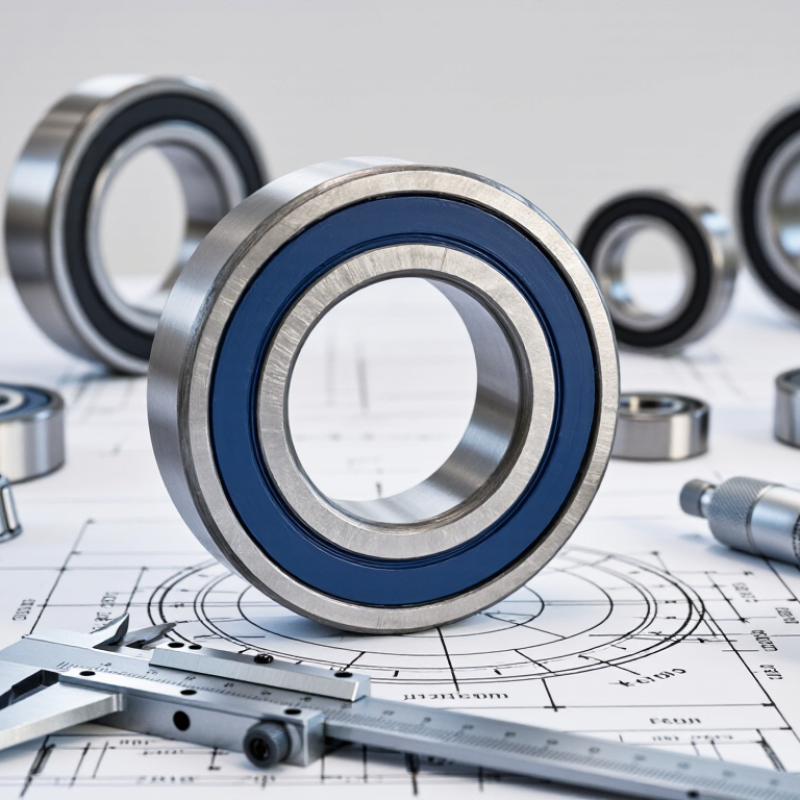
An LP207 pillow block bearing supports a rotating shaft while holding it above a machine frame. Its housing bolts to a flat mounting surface, and the bearing insert allows the shaft to turn with controlled friction. The arrangement is practical for equipment that needs accessible support rather than a bearing built directly into the frame. Fit matters. Model codes can vary between manufacturers, so buyers should confirm the bore, housing dimensions, locking method, and load ratings before ordering. A familiar-looking code is not a complete specification.
These units may suit conveyor rollers, agricultural machinery, ventilation systems, and packaging equipment, where shafts need stable support and routine access. In a workshop, an installer might check that the base sits flat, align the shaft, and tighten the mounting bolts evenly. Poor alignment can create noise, heat, and early wear. Dust changes everything. Sealed inserts can help in dirty settings, but they do not make a unit maintenance-free; inspection intervals should match operating conditions. I would not choose an LP207 by application name alone. Shaft speed, radial load, vibration, moisture, and available clearance all affect suitability, and catalog ratings need to be checked against the actual machine. A small mismatch can become expensive.
Key Criteria for Evaluating LP207 Bearing Suppliers
An LP207 pillow block bearing supplier should be judged by fit, evidence, and consistency, not price alone. Confirm the shaft diameter, housing dimensions, mounting-hole spacing, and insert style against your equipment drawing. Do not assume every LP207 listing uses identical tolerances or sealing. Small details matter. Ask for dimensional inspection records and clear load and speed limits. Check whether the seals and grease suit dust, moisture, heat, or washdown near the installation. These checks help, but they cannot replace a trial fit.
A reliable supplier can identify production batches and provide inspection documents linked to each shipment. Request details on steel grade, heat treatment, lubrication, and packaging, especially for repeat orders. Packaging should keep the bore clean and prevent impact damage during transport. Compare quoted lead times with stock status, minimum order quantities, and replacement availability. A sample can reveal rough rotation, excess play, or uneven seals before a larger purchase. Still, one sample cannot prove long-term performance. That is easy to overlook. Review supplier claims carefully when reports lack dates, measured values, or batch references.
Profiles of 10 LP207 Pillow Block Bearing Suppliers
Profiles of 10 LP207 pillow block suppliers should compare capability, not just price. A bearing manufacturer may offer batch traceability and dimensional inspection. An export-focused OEM can support larger orders, but lead times need checking. An authorized distributor may provide clearer documentation. An industrial MRO wholesaler can suit urgent maintenance. An agricultural-parts specialist understands dusty, wet operating conditions. A conveyor supplier may prioritize continuous-duty stock. An online catalog seller offers quick comparisons, though listings can be oddly vague. A machining shop may handle fit-related adjustments. A regional stockist can simplify repeat deliveries. An import specialist may offer broad choice, but verify origin and warranty terms.
Fit matters.
Compare each supplier’s stated bore, housing material, sealing arrangement, lubrication method, and allowable operating conditions with the machine’s needs. Ask for proof. Request a dimensional drawing, inspection record, and clear product identification before ordering.
For evaluation context, Grand View Research estimated the global bearing market at USD 123.36 billion in 2023 and projected an 8.5% compound annual growth rate from 2024 to 2030. That broad market figure is not LP207-specific; it signals a large, competitive category, not guaranteed quality. ISO 281 provides a recognized framework for calculating rolling-bearing life, but a calculation cannot replace correct installation or suitable sealing.
One detail is easy to miss: supplier profiles may list specifications without explaining test methods. Ask how dimensions and batch consistency are checked.
Comparing Supplier Products, Pricing, and Support
LP207 pillow block bearing suppliers may offer similar-looking units, but product details can differ. Check the shaft bore, housing material, insert design, seals, and stated load ratings before comparing quotes. A small bore mismatch can turn a low-cost purchase into a fitting problem. Fit comes first. Ask whether dimensions follow a published drawing, and request one if the listing is vague. For dusty workshops, sealed inserts may reduce routine cleaning, while damp conditions call for clear corrosion-resistance information. Do not assume every LP207 listing includes the same mounting hardware.
Pricing should include more than the unit cost. Compare minimum order quantities, shipping, taxes, and the cost of replacement inserts. A supplier with a higher price may have ready stock, while a cheaper quote may depend on a long lead time. That difference matters when equipment is waiting.
Support is just as measurable: ask for written stock confirmation, dispatch estimates, installation guidance, and a practical returns process. A useful response should address your shaft size and operating conditions, not send a generic catalogue page.
Some buyers focus heavily on price; it is an easy mistake. Keep the quote, drawing, and delivery promise together, then check that the delivered bearing matches them.
How Buyers Can Choose and Source the Right LP207 Bearing
Choosing an LP207 pillow block bearing starts with the machine, not the supplier’s product page. Record the shaft diameter, mounting-hole spacing, available clearance, and operating speed before requesting quotes. Compare the listed dimensions with a current technical drawing; similar part descriptions do not guarantee identical fit. Measure twice. Check the bearing’s stated load capacity against the real application, including vibration, dust, moisture, and expected running hours. A clean workshop test may not reveal problems that appear after installation.
Ask suppliers for a dimensional drawing, material details, and inspection records for the quoted part. Confirm whether the unit includes the insert and housing, and clarify seal type, lubrication, and delivery condition. For repeated purchases, request a sample and inspect the bore, mounting faces, and rotation by hand before approving a larger order. Small details matter. Compare lead time and packaging as well as price; a low quote is less useful if stock status is unclear. Supplier descriptions can be inconsistent, and I would not treat a catalog match as proof of interchangeability. Keep the approved drawing and inspection notes with the purchase record, so the next order has a reliable reference.