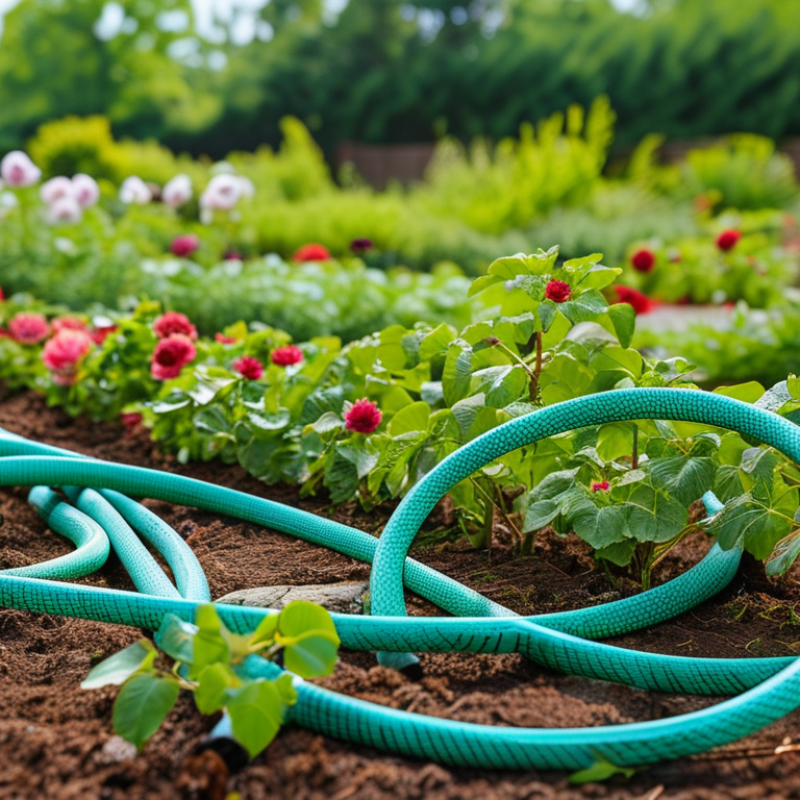
Top 10 Irrigation Pipe Hose Options for Your Garden Needs?
Choosing the right irrigation pipe hose can greatly enhance your garden's health. With so many options available, it's easy to feel overwhelmed. Understanding what works best for your garden needs is essential.
Irrigation pipe hoses come in various types and materials. The right choice depends on factors such as garden size and plant types. Some hoses are more durable, while others are lightweight and flexible. Each option has its pros and cons. Testing different types can lead to better results.
Your irrigation system plays a crucial role in plant growth. A poor choice may lead to water wastage or under-watering. Evaluating your garden's specific needs will guide your decision. Invest time in researching the best irrigation pipe hose for your space. It may take some trial and error, but finding the perfect fit is rewarding.
Understanding the Basics of Irrigation Pipe Hoses for Gardens
Irrigation pipe hoses play a crucial role in maintaining vibrant gardens. Understanding their types helps gardeners make informed choices. Research indicates that efficient garden irrigation can increase crop yields by up to 50%. This statistic underscores the importance of selecting the right materials and styles.
Different irrigation hoses suit varying garden layouts. A soaker hose, for example, slowly releases water through its porous material. This method minimizes evaporation and water runoff. On the other hand, drip irrigation systems deliver water directly to the plant roots. Studies show that these systems can reduce water usage by 30-50% compared to traditional methods.
Despite the advantages, some challenges exist. For instance, improper installation can lead to leaks. Additionally, garden size and soil type influence the effectiveness of any irrigation system. Gardeners may need to readjust or fine-tune their setup after observing plant responses. Maintaining a balance between efficiency and practicality is essential for long-term garden health.
Types of Irrigation Pipe Hoses and Their Specific Uses
Selecting the right irrigation pipe hose is crucial for effective garden care. Various types serve different needs. Drip hoses deliver water directly to the roots, ensuring minimal evaporation. This method works well for vegetable gardens and flower beds. Soaker hoses are great for densely planted areas. They release water along their length, saturating the soil evenly. Both options help conserve water while keeping plants healthy.
On the other hand, traditional garden hoses have their place too. They are versatile for many situations. However, they might not always provide the efficiency of drip or soaker hoses. Consider the layout of your garden. Long, winding gardens may benefit from flexible hoses. Rigid pipes can cater to larger spaces but may require more maintenance. Each hose type has strengths and weaknesses. Understanding these can prevent future issues and ensure your garden thrives.
Factors to Consider When Choosing Irrigation Pipe Hoses
Choosing the right irrigation pipe hose for your garden isn't straightforward. Several factors can significantly impact your garden's health and efficiency. Material is crucial. Different materials, like PVC or polyethylene, have unique properties. PVC is durable but less flexible, while polyethylene is lightweight and easy to maneuver.
Additionally, consider the diameter of the hose. A larger diameter allows more water flow but might be cumbersome for small gardens. It's essential to balance size and practicality. The length of the hose also plays a role. Too long can lead to water pressure loss, while too short may not reach the required areas.
You should evaluate your garden size and shape. Specific areas may need different types of irrigation. Assess if you require a drip system or a more traditional approach. Reflecting on your garden's specific needs will guide you to the best choice. Don't overlook the power source of your system if you opt for automatic irrigation. Please consider the installation complexity and future maintenance as well.
Top 10 Recommended Irrigation Pipe Hose Options for Gardens
When choosing the right irrigation pipe hose for your garden, several options stand out in the market today. A recent industry report highlights that 70% of gardeners prioritize durability and flexibility in their hose materials. This reflects the growing demand for products that withstand various weather conditions while maintaining consistent water flow. Common materials include PVC, which is lightweight and resistant, and braided hoses that offer added strength.
Furthermore, ease of installation and maintenance cannot be overlooked. Many users prefer hoses that come with quick-connect fittings for seamless setup. According to data, 65% of gardeners experienced improved watering efficiency with user-friendly systems. Some hoses even feature integrated timers, simplifying the watering process. Despite these advancements, challenges remain in finding hoses that prevent kinks while ensuring adequate pressure, indicating room for improvement in product design. Gardeners often report frustrations with tangled hoses, underscoring the need for innovative solutions that enhance user experience.
Installation and Maintenance Tips for Your Irrigation System
When setting up an irrigation system for your garden, proper installation is crucial. Begin by laying the pipes in a layout that suits the garden's design. Ensure you bury the pipes to avoid damage from sunlight and foot traffic. Additionally, check for leaks regularly. Addressing leaks early can save water and prevent garden damage.
Maintenance is equally important. Regularly clean your hoses and connectors. Debris can clog the system and reduce efficiency. Consider flushing the system at the end of each watering season. This process helps clear out built-up minerals and keeps your irrigation running smoothly.
Tips: Always observe the pressure in your irrigation system. High pressure can damage hoses, while low pressure means your plants may not receive enough water. Use pressure gauges to monitor the system. Also, be mindful of seasonal changes. You might need to adjust your watering schedule as the weather changes. Keeping notes can help refine your approach for next year.
Top 10 Irrigation Pipe Hose Options for Your Garden Needs