
Skip to Content
chevron-left chevron-right chevron-up chevron-right chevron-left arrow-back star phone quote checkbox-checked search wrench info shield play connection mobile coin-dollar spoon-knife ticket pushpin location gift fire feed bubbles home heart calendar price-tag credit-card clock envelop facebook instagram twitter youtube pinterest yelp google reddit linkedin envelope bbb pinterest homeadvisor angies

Top Fuel Pump Manufacturers for Global Buyers

Choosing among the top Fuel Pump manufacturers is not just a matter of comparing prices or catalog sizes. For global buyers, a dependable supplier must match the pump to the vehicle, operating conditions, and local service needs. A mismatch can mean hard starting, unstable fuel delivery, or costly returns. Details matter.

This guide looks at manufacturers through practical purchasing criteria: product range, engineering support, production capacity, quality controls, and after-sales response. Buyers should compare pressure and flow data, electrical requirements, mounting dimensions, and fuel compatibility against the application. Ask for test records and traceability details, and check which standards or approvals apply in the destination market. A polished brochure helps, but it cannot replace clear technical answers.

Supply reliability deserves equal attention. Lead times, packaging, spare-parts availability, and communication across time zones can shape the real cost of a sourcing decision. Not always. A large manufacturer may offer broad coverage, while a smaller specialist may provide more focused support. Neither is automatically the better choice. No shortlist is perfect; supplier claims still need verification, and requirements can change between markets. The following overview is intended to help buyers ask sharper questions and compare manufacturers with evidence, not assumptions.
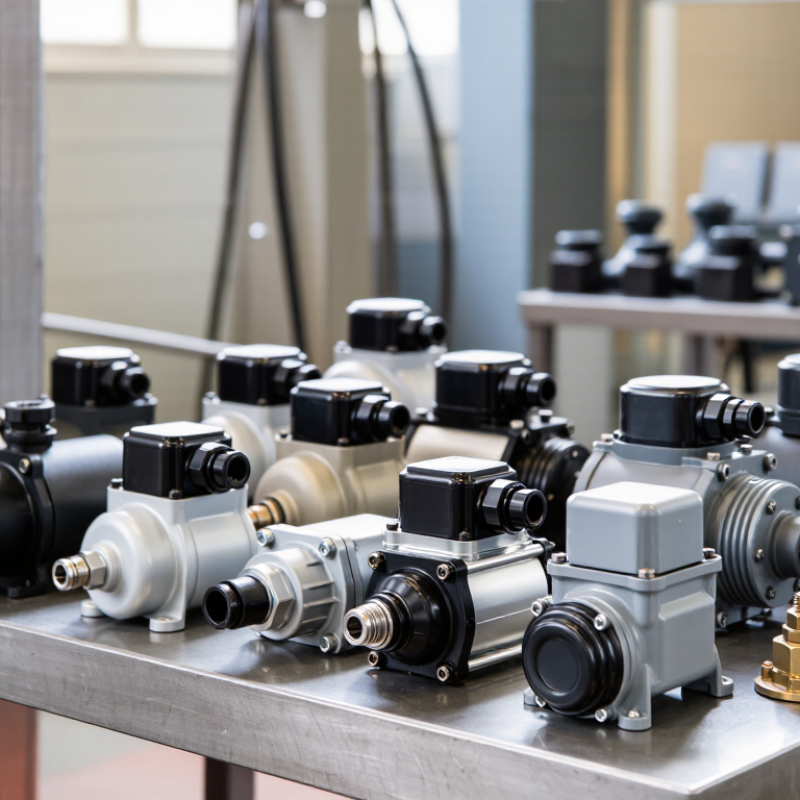
Top Fuel Pump Manufacturers for Global Buyers

Fuel Pumps: Core Functions, Types, and Applications

A fuel pump moves fuel from the tank to the engine at the pressure and flow the system requires. In older carbureted vehicles, a mechanical pump may draw fuel using engine motion. Most modern fuel-injected vehicles use an electric pump, often mounted inside the tank. Some engines also use a high-pressure pump to feed direct-injection or common-rail systems. Each stage has a distinct job.

The details matter. A pump must match the engine’s pressure, flow rate, fuel type, and electrical supply. In a workshop, a weak pump may show up as hard starting, hesitation under load, or reduced power. Those symptoms can also come from a clogged filter or wiring fault, so replacing the pump without testing can waste time. In-tank pumps may use surrounding fuel to help manage heat, but designs vary. Not always. Pumps serve passenger cars, trucks, agricultural machinery, and marine engines, with different demands in each setting. A work truck hauling uphill needs dependable delivery under sustained load; a small engine may need far less flow. Specifications help narrow the choice, though real operating conditions deserve attention too.

How to Assess Fuel Pump Manufacturers

Top Fuel Pump Manufacturers for Global Buyers

How to Assess Fuel Pump Manufacturers

A reliable assessment starts with the pump’s intended operating conditions. Share the vehicle or equipment details, fuel type, pressure range, flow rate, and installation constraints. Ask for documented test results at relevant operating points, not just a headline performance figure. A pump may meet its rated flow on a bench yet behave differently under heat or sustained load. Check material compatibility, electrical specifications, noise limits, and dimensional drawings before comparing quotations.

Tips: Request a sample and inspect its connector, housing, seals, and finish. Confirm how the supplier tracks production batches and handles quality issues. Ask whether test records can be linked to a specific batch. Review warranty terms, lead times, packaging, and replacement-part availability in writing. Clear answers matter. So does consistency.

Evaluate communication as carefully as specifications. Does the manufacturer explain test methods and acknowledge limits, or offer vague guarantees? A short technical exchange can reveal how well its team understands your application. Compare sample performance with the submitted data, then record any differences. No checklist catches everything. Sometimes a drawing is outdated, or a small fitment detail gets missed; verify critical dimensions before approving an order.

How to Assess Fuel Pump Manufacturers: Relevant Standards

Use quality, environmental, automotive, and laboratory-management standards as starting points when reviewing a supplier’s documented systems. Edition years identify the standards shown; they are not supplier scores or product approvals. Verify each certificate’s validity, scope, and issuing body, and assess product testing and traceability separately.

Leading Manufacturers Serving Global Buyers

Global buyers need fuel pump manufacturers that can deliver consistent quality across changing markets. The right partner understands different vehicle requirements, operating conditions, and delivery expectations. Details matter. Ask how pumps are tested, what inspection records are available, and how production changes are controlled. A useful answer should include practical evidence, not just broad claims.

Leading manufacturers serving global buyers also make communication and documentation part of the process. Clear product specifications, traceable batch records, and responsive technical support can reduce delays when a shipment reaches a new market. Buyers should check packaging, lead times, and the supplier’s ability to handle replacement parts. A sample can reveal details a brochure misses, such as connector fit or finish quality. Not every factory excels in every area. There is no perfect supplier, and buyers may need to weigh price against service, testing depth, or delivery flexibility. That trade-off deserves a closer look before placing a large order.

Comparing Product Quality, Certifications, and Support

Comparing fuel pump manufacturers requires more than reading flow-rate figures. Ask for test data at stated voltage, fuel temperature, and pressure; otherwise, two results may not be comparable. Check whether performance remains stable during endurance testing, not just during a short bench run. Small details matter. Inspect connector fit, terminal finish, and seal materials. These parts can reveal how carefully a pump is made, though appearance alone proves little.

Certifications help, but their scope matters. A quality-management certificate shows that a system is audited; it does not automatically certify every pump. Request current documents, confirm the listed facility and product category, and review material traceability records. For automotive applications, ask whether relevant industry requirements apply to the supplier’s role. Ask for evidence. A certificate image without a date or clear scope is not enough.

Support becomes visible when questions get specific. Can the technical team explain pressure loss, wiring requirements, or a mismatch between a sample and a vehicle specification? Ask about response times, warranty handling, replacement procedures, and access to installation guidance. A useful supplier should provide clear answers and flag limits instead of promising universal fit. Comparisons are rarely perfectly tidy: test methods differ, and some documentation may be incomplete. Note those gaps before ordering, then request clarification in writing.

Selecting a Manufacturer for Your Market and Application

Choosing a fuel pump manufacturer starts with the market and the job the pump must do. A passenger vehicle, generator, and agricultural machine can require different flow rates, pressure ranges, electrical connections, and mounting dimensions. Fit matters. Ask for performance curves at the intended voltage, not just a maximum-flow figure. This helps reveal whether a pump can meet demand under actual operating conditions.

Local fuel characteristics, ambient temperatures, dust, and vibration also shape the specification. Request material details for wetted parts, dimensional drawings, and test records linked to production batches. These are useful checks. Confirm whether the manufacturer can support samples, steady lead times, replacement parts, and technical questions in your time zone. An impressive catalog is not enough.

Compare warranty terms and quality controls, then clarify what happens if a sample differs from a delivered batch. Ask how flow, pressure, noise, and leakage are checked before shipment. A brief factory review can reveal gaps that sales documents miss. Still, no checklist removes every risk. Even experienced buyers can overvalue low pricing; leave room to revise the specification after field testing.

Top Fuel Pump Manufacturers for Global Buyers - Selecting a Manufacturer for Your Market and Application

Market and application Pump type Typical system pressure Key selection requirements Evidence to request from a manufacturer
Passenger vehicles — gasoline port fuel injection Electric in-tank or in-line low-pressure pump Commonly about 3–5 bar (44–73 psi); confirm the vehicle specification. Flow at operating pressure, voltage range, connector and mounting compatibility, noise, and fuel compatibility. Pressure-flow curves, electrical test results, endurance data, material compatibility, and traceability details.
Passenger vehicles — gasoline direct injection Low-pressure electric supply pump plus engine-driven high-pressure pump Supply side is often about 3–6 bar; high-pressure side commonly operates around 50–350 bar, depending on system design. Correct pressure stage, engine interface, metering control, pulsation behavior, and compatibility with the specified gasoline blend. Validated pressure and flow maps, control-interface specifications, durability results, and application-specific fitment data.
Commercial vehicles — diesel common rail Engine-driven high-pressure pump, usually paired with a low-pressure supply stage Common-rail systems may operate at approximately 1,000–2,700 bar; the required range is system-specific. Required rail pressure and delivery rate, engine duty cycle, filtration needs, fuel lubricity, and service conditions. Pressure capability, calibrated delivery data, contamination-control requirements, endurance testing, and service support information.
Off-highway equipment — agricultural and construction machinery Electric transfer pump or engine-driven diesel injection pump, as specified by the engine system Varies substantially by pump stage and engine design; use the engine maker’s pressure and flow requirements. Dust, vibration, temperature range, long operating hours, fuel filtration, and availability of replacement parts. Environmental and vibration test conditions, endurance results, installation guidance, spare-parts plan, and warranty terms.
Marine engines and vessels Fuel transfer or engine-specific feed/injection pump Depends on whether the pump transfers fuel or supplies an injection system; confirm the engine and vessel requirements. Fuel type, continuous-duty rating, corrosion resistance, installation orientation, and applicable vessel requirements. Material and corrosion data, duty-cycle rating, installation limits, test reports, and any required market or vessel approvals.
Industrial engines and generator sets Fuel transfer pump or engine-specific injection pump Application-dependent; determine from the engine fuel-system specification rather than a generic pump category. Continuous or standby duty, ambient temperature, fuel cleanliness, service interval, and local emissions or installation rules. Operating envelope, reliability and endurance data, maintenance instructions, quality-system documentation, and regional support capability.

Pressure figures are indicative examples, not universal specifications. Confirm required pressure, flow, fuel compatibility, and applicable approvals for the exact engine, vehicle, or vessel before selecting a pump.