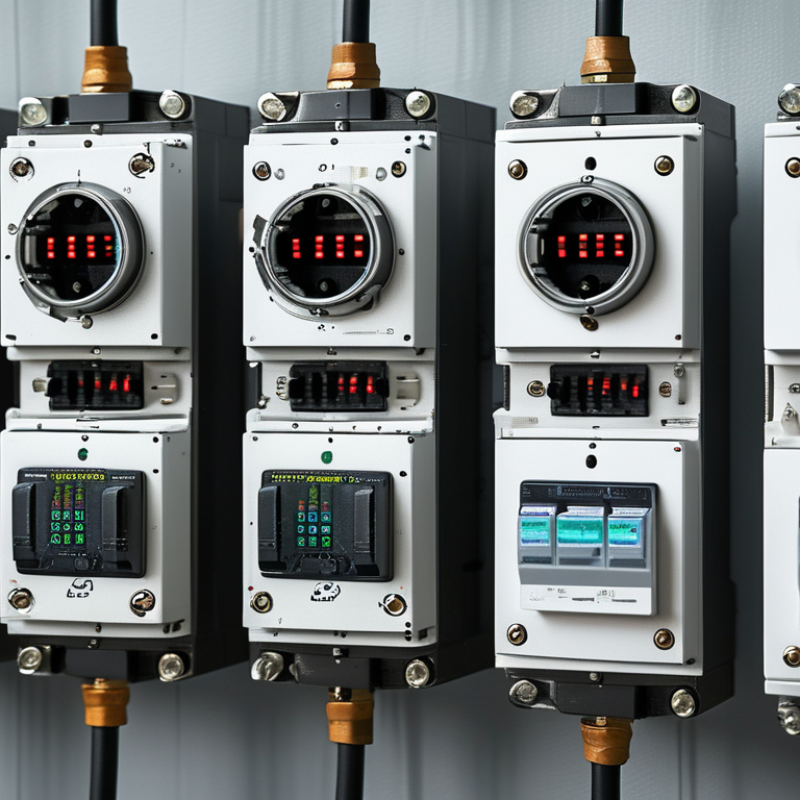
Top 5 Automatic Transfer Switches You Need to Know About?
In today's fast-paced world, reliability is paramount. An Automatic Transfer Switch (ATS) plays a vital role in ensuring a seamless power supply. Whether for residential or commercial purposes, these switches provide an efficient solution during power outages.
Choosing the right ATS can be overwhelming. You have to consider various factors, including power capacity, speed of transfer, and installation requirements. Each model brings unique features, some better suited for certain environments. A few details can significantly influence the performance and longevity of the system.
Understanding the nuances of different Automatic Transfer Switches is crucial. Not all models are created equal, and subtle differences can lead to significant impacts. The right choice will not only improve reliability but also enhance system safety. It's essential to reflect on these aspects before making a decision to ensure an optimal investment.
Overview of Automatic Transfer Switches and Their Importance
Automatic transfer switches (ATS) play a crucial role in maintaining uninterrupted power supply. They automatically switch the electrical load from the primary power source to a backup source when a failure occurs. This functionality is vital for organizations that rely on continuous power, such as hospitals, data centers, and manufacturing plants. The prompt transition minimizes downtime and protects sensitive equipment from power surges or outages.
Understanding the importance of ATS goes beyond mere functionality. It involves the assessment of risk and reliability. Poorly maintained or outdated switches can lead to severe consequences. Frequent mechanical issues or failure to engage during outages can disrupt operations and create safety hazards. Regular inspection and testing of these devices are essential to ensure their readiness. The right knowledge and practices surrounding ATS can greatly enhance operational resilience. Balancing cost with reliability remains a challenge that many face while selecting the right solution for their needs.
Key Features to Look for in Automatic Transfer Switches
When selecting an automatic transfer switch (ATS), understanding key features is crucial. A reliable ATS ensures seamless power transition during outages. Look for durable construction and strong materials. An ATS should handle varying load conditions efficiently.
Monitoring and control functions are essential. Some switches come with remote access, allowing users to check system status. According to industry reports, having real-time monitoring can reduce downtime by up to 30%. Ensure the switch offers adequate surge protection as well. This feature prolongs the equipment's lifespan and maintains performance.
Tips: Consider the switch’s transfer time. A quicker transfer ensures minimal disruption. Maintenance requirements should also be taken into account. Regular checks can prevent unexpected failures. Don’t overlook compatibility with existing systems. A mismatch may lead to additional costs.
Investing in a high-quality ATS minimizes risks. A switch should fit your specific needs, whether for residential or commercial use. Being aware of how often these systems fail helps in making informed choices. Understanding user experiences can also highlight potential concerns that require attention.
Top 5 Automatic Transfer Switches Features Comparison
The chart displays the key features of the top automatic transfer switches, such as their switch capacity, number of poles, transfer time, operating temperature, and weight. These features are critical for assessing the performance and suitability of various automatic transfer switches.
Top 5 Automatic Transfer Switches: A Comprehensive Review
Automatic Transfer Switches (ATS) play a vital role in ensuring a seamless power supply during outages. According to industry research, the global ATS market was valued at approximately $4.5 billion in 2021 and is expected to grow at a CAGR of 6.7% through 2028. This growth reflects rising demand for reliable power solutions across various sectors.
Effective ATS systems provide automatic switching between main power sources and backup generators. They can significantly reduce downtime in critical operations, particularly in healthcare, data centers, and manufacturing. However, improper installation and maintenance pose risks. Regular testing is essential to ensure functionality when needed. Implementing a preventive maintenance schedule can markedly increase the reliability of these systems.
Despite their importance, many overlook the specifics of ATS types. Different configurations and functionalities exist, including open transition and closed transition switches. Each type has unique advantages and might be better suited for certain applications. Engaging with industry experts when selecting an ATS can provide invaluable insights, tailoring solutions to specific needs. Ignoring critical factors, such as load requirements, can lead to inadequate performance during emergencies.
Comparative Analysis of Performance and Reliability
When it comes to automatic transfer switches (ATS), performance and reliability are crucial. A recent report from the Institute of Electrical and Electronics Engineers (IEEE) highlights that about 70% of ATS failures occur due to poor installation and maintenance practices. This statistic underlines the importance of selecting a high-quality switch that can endure demanding conditions.
Moreover, the National Electrical Manufacturers Association (NEMA) notes that operational interruptions can lead to significant financial losses, estimated at $5,000 per minute for critical applications. This reinforces the need for a robust ATS that guarantees seamless power transitioning during outages. Evaluating the switch's performance metrics, like response time, can be illuminating. Many switches have an activation time of under 30 seconds, which is generally accepted as optimal for many applications.
However, it's essential to recognize that user feedback is not always positive. Some users report sporadic issues with switch reliability in extreme conditions, indicating a need for ongoing innovation in this technology. Regular testing and maintenance become non-negotiable factors in ensuring performance stability. Therefore, it's important to prioritize these elements in your choice of an automatic transfer switch.
Installation and Maintenance Tips for Automatic Transfer Switches
When installing an automatic transfer switch (ATS), location matters. Choose a dry, accessible area. Avoid places prone to flooding. According to the National Electrical Manufacturers Association (NEMA), approximately 30% of power outages occur due to severe weather. A well-placed ATS can significantly reduce downtime during such events.
Maintenance is critical for the longevity of your ATS. Regular testing is essential. Aim for bi-annual tests to ensure the switch operates correctly. The Institute of Electrical and Electronics Engineers (IEEE) suggests that up to 15% of ATS failures are due to lack of maintenance. It's wise to inspect components for wear or corrosion.
Documentation is key. Keep detailed records of maintenance sessions, inspections, and any repairs. This helps identify patterns indicating recurring issues. While 70% of facilities adhere to basic maintenance schedules, many neglect comprehensive documenting practices. Reflecting on these processes allows for continual improvement and reliable operation of your ATS system.