China Top 10 CNC Milling Parts Manufacturers?
Choosing among China’s top 10 Cnc Milling Parts manufacturers requires more than comparing prices or polished websites. This market includes highly capable factories, specialized workshops, and suppliers with uneven quality systems. A serious evaluation must examine machining accuracy, material traceability, inspection equipment, production capacity, and communication reliability.
Dr. Serope Kalpakjian, a respected manufacturing engineering authority, wrote, “Manufacturing is the backbone of any industrial economy.” His statement remains relevant when assessing CNC suppliers. A manufacturer may produce a beautiful aluminum housing, yet struggle with tight-tolerance stainless steel components. Another may offer excellent prototypes but lack stable batch production. Those differences matter on the factory floor.
This guide reviews ten prominent Chinese manufacturers of Cnc Milling Parts through practical purchasing criteria. These include five-axis capability, tolerance control, surface finishing, quality documentation, and export experience. It also considers whether a supplier can read complex drawings, manage design revisions, and protect delivery schedules. Specific details matter: a calibrated CMM, documented first-article inspection, and clear packaging methods often reveal more than marketing claims.
The ranking is not absolute. A medical-device buyer and an automation integrator may choose different winners. That is worth admitting. Supplier performance can also change with leadership, equipment investment, or workload. Readers should verify certifications, request recent samples, and inspect quality records before placing large orders. The strongest manufacturer is not always the cheapest. It is the one that consistently turns accurate drawings into dependable parts.
What Are CNC Milling Parts and Why Do They Matter?
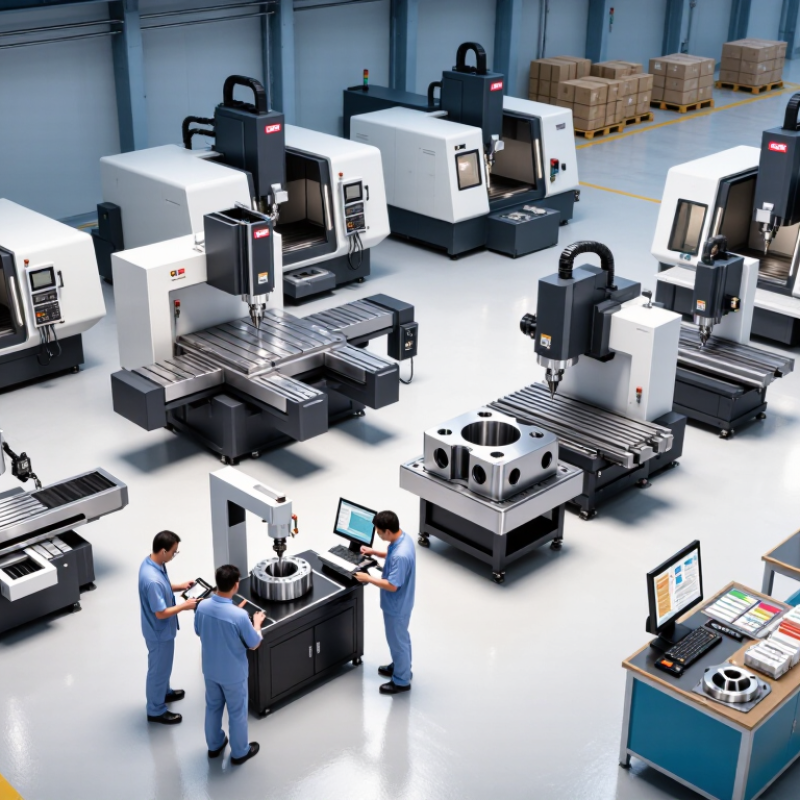
CNC milling parts are components shaped by rotating cutters under computer control. The process removes material from metal, plastic, or engineering composites. It can create slots, pockets, holes, curved surfaces, and precise mounting faces. A small aluminum bracket may need flatness within 0.05 millimeters. That detail affects assembly, vibration, and product life.
These parts matter because they connect design intent with repeatable production. A 3D model alone does not guarantee a usable component. Tool selection, workholding, cutting speed, and inspection all influence the final result. Grand View Research estimated the global CNC machine market at about USD 83.9 billion in 2023. The report also expects continued growth through 2030. Automation is expanding too. The International Federation of Robotics recorded 541,302 industrial robot installations worldwide in 2023. Still, more automation does not remove human judgment. I have seen accurate programs produce poor parts because the fixture was slightly misaligned.
Tips: Define critical dimensions clearly. Separate cosmetic surfaces from functional surfaces. Request material certificates and inspection records. Check datum references before approving a drawing. A supplier’s equipment list is useful, but process evidence matters more. Ask for sample measurements, not confident promises. Tolerances that look impressive may be unnecessary and expensive.
How to Evaluate China’s CNC Milling Parts Manufacturers
Evaluating China’s CNC milling parts manufacturers requires more than comparing online prices. Ask about machine capacity, material control, tolerance management, and inspection methods. A capable supplier should explain its process clearly, from drawing review to final packaging. Request recent sample reports, including dimensional results, surface finish, and material certificates. For tight parts, check whether the factory uses calibrated CMM equipment and maintains inspection records.
A trial order reveals practical reliability. Send a realistic component with features such as deep pockets, thin walls, or multiple datum surfaces. Review the first article carefully. Does the part match the drawing? Are edges clean? Is the finish consistent inside small cavities? Confirm how the manufacturer handles revisions, nonconforming parts, and production delays. A polished website is not proof. I have seen attractive quotations hide weak process control and unclear responsibility. That mistake can be expensive.
Tips: Verify factory capability through a video tour or independent audit. Ask for machine age, calibration schedules, and operator experience. Confirm whether quality checks are performed during machining, not only before shipping. Compare at least three quotations, but do not select the lowest price automatically. A short technical call may expose misunderstandings early. Keep every tolerance, material grade, and packaging requirement in writing. Even experienced buyers miss details sometimes; review the drawing again before approval.
China’s Top 10 CNC Milling Parts Manufacturers
China’s Top 10 CNC Milling Parts Manufacturers
China’s top ten CNC milling parts manufacturers are often judged by accuracy, consistency, and production control. Strong suppliers use multi-axis machines, calibrated measuring equipment, and documented inspection procedures. They produce aluminum housings, steel brackets, brass fittings, and complex prototype components. Experienced engineering teams also review drawings before machining begins. This step can prevent costly tolerance conflicts.
The best manufacturers provide material certificates, first-article inspection reports, and traceable quality records. Many support small batches and repeat production, which helps product developers manage changing demand. Their workshops may include automated tool management, coordinate measuring machines, and temperature-controlled inspection areas. Still, a polished website proves little. Real performance depends on samples, communication, and delivery history. My assessment would remain cautious without reviewing actual parts.
Tips:
Request a sample before placing a large order. Confirm tolerances, surface finishes, material grades, and packaging details in writing. Ask how rejected parts are handled. A clear answer matters. Compare inspection reports, not only prices. Also check whether the supplier can explain machining risks in plain language. Some manufacturers promise every capability, but their practical limits may appear during complex work. Independent audits and recent customer references can provide stronger evidence than general sales claims.
What Industries Use Parts from These Manufacturers?
China’s top CNC milling parts manufacturers serve aerospace, automotive, medical, and industrial equipment companies. Their machined parts often include brackets, housings, manifolds, shafts, and structural supports. Aerospace customers request lightweight aluminum components with strict dimensional control. Inspection reports, material certificates, and traceability records are usually essential.
Automotive companies use these suppliers for sensor mounts, transmission fixtures, prototype components, and tooling inserts. Production teams often value repeatability more than a perfect first sample. That matters on the factory floor.
Robotics manufacturers need precise joint plates, motor mounts, and custom end-effectors. A small positioning error can create vibration or uneven movement during continuous operation.
Medical equipment makers may order stainless steel frames, instrument components, and non-implantable device parts. These projects require careful surface finishing and documented process control. Electronics companies also purchase small aluminum enclosures, cooling plates, and connector fixtures. Clean edges matter. Energy and automation firms use milled valve bodies, pump parts, and inspection tools in demanding environments.
In practical sourcing work, engineers should review tolerances, batch size, inspection methods, and post-processing before approving a supplier. A polished sample can hide production weaknesses. That is an uncomfortable possibility. Clear drawings and realistic tolerances reduce misunderstandings. However, supplier capability may change between projects, so repeated audits remain useful. One overlooked detail, such as burr removal, can delay assembly and increase costs.
How to Select the Right Chinese CNC Milling Partner
Selecting a Chinese CNC milling partner requires more than comparing prices or browsing a polished website. A reliable manufacturer should explain its machining process clearly. Ask about machine types, tolerance control, material traceability, and inspection equipment. A coordinate measuring machine, calibrated tools, and documented inspection reports show stronger process discipline.
Request a small sample before approving larger production. Check critical dimensions, surface finish, thread quality, and packaging condition. Review how the supplier handles design changes, rejected parts, and delivery delays. Clear English communication matters, but technical accuracy matters more. A fast reply is not always a useful reply. In practice, some suppliers promise very tight tolerances before reviewing the drawing. That should make you pause.
Tips: Share complete 2D drawings, 3D files, materials, quantities, and tolerance priorities. Ask for a written quotation with tooling, inspection, lead time, and shipping details. Confirm whether production is handled in-house or outsourced. A video factory tour or a third-party audit can reveal practical details, such as machine maintenance and operator training. Check material certificates and first-article inspection results. Keep payment and quality terms documented. Do not choose the lowest quote automatically; an inexpensive part with inconsistent dimensions can create assembly problems and hidden costs. One weakness in this process is relying too heavily on sample approval. Ongoing inspections may still be necessary when batches are large or designs change.