
7 Tips for Choosing a Roll Bag Making Machine
Choosing a Roll Bag Making Machine is a practical investment decision, not just a search for higher output. The right equipment must match your bag design, materials, production volume, and quality requirements. A machine that runs quickly but struggles with film tension or seal consistency can create costly waste. Small details matter: web width, sealing temperature, cutting accuracy, and the time needed to change a roll.
Industry reports help explain why careful equipment selection matters. The Flexible Packaging Association’s 2023 State of the U.S. Flexible Packaging Industry report estimated U.S. industry sales at $42.9 billion in 2022. The OECD’s Global Plastics Outlook reported that packaging accounted for about 40% of global plastic waste in 2019. These figures point to a large, evolving sector where reliable production and material efficiency deserve close attention. They do not, by themselves, identify the best machine for every factory.
That takes a closer look. Before comparing models, define your daily output target and the bag sizes you actually produce. Ask suppliers to demonstrate your intended film and show finished seals, cuts, and changeover steps. Check service availability, spare-parts lead times, and operator training—not only the quoted speed. This guide outlines seven practical tips for evaluating a Roll Bag Making Machine, from machine configuration to long-term support. Some specifications can look impressive on paper. Real production may tell a different story.
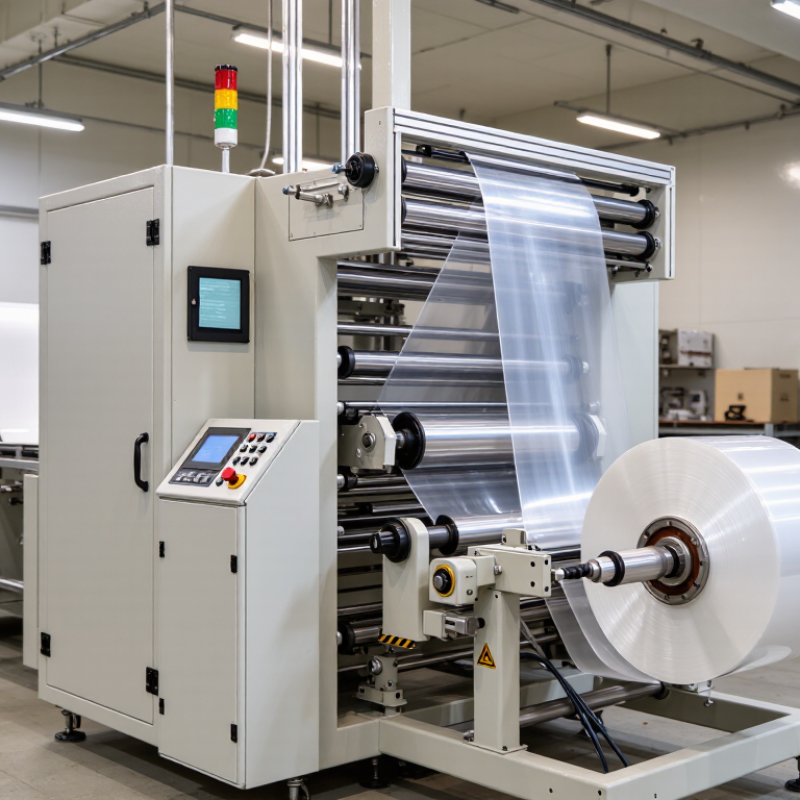
Define Your Roll Bag Products and Production Requirements
A roll bag machine should match the bags you plan to sell, not just a target speed on a brochure. Write down each product’s lay-flat width, cut length, film type, thickness, and roll count. Note whether bags need side gussets, a bottom seal, perforations, or printed registration marks. Small details matter. A thicker film, for example, may feed differently and need adjustments to sealing temperature or tension. If you make several sizes, list how often operators will change settings. Frequent changeovers can reduce useful output, even when the machine’s rated speed looks impressive.
Then describe a normal production day. Estimate the number of rolls required per shift, how many hours the line will run, and how much floor space is available for unwinding and finished-roll handling. Consider who will load film, remove completed rolls, and check seals and perforations. Test the actual roll. Ask for a sample run using your film and bag dimensions, and inspect the winding, seal consistency, and cut position. Record setup time and material waste, too. These figures may be imperfect at first; that is a reason to revisit your estimates, not to guess. A clear product and production profile gives suppliers a practical basis for recommending machine width, automation, and suitable output.
7 Tips for Choosing a Roll Bag Making Machine - Define Your Roll Bag Products and Production Requirements
Start by listing the bag formats, materials, dimensions, and output targets you need. The ranges below are common planning examples, not universal machine specifications; confirm compatible materials and limits with the equipment supplier.
| Roll Bag Product | Typical Material | Common Bag Dimensions | Key Product Details | Production Requirements to Define | Machine Features to Check |
|---|---|---|---|---|---|
| Perforated garbage bags on rolls | LDPE, LLDPE, or HDPE film | About 450–900 mm wide; length varies by bag size | Side seals, perforation between bags, and a core or coreless roll | Bag width and length, film thickness, bags per roll, roll diameter, and required rolls per hour | Perforation control, consistent sealing, roll counting, and winding suited to the selected roll format |
| Produce bags on rolls | HDPE or LDPE film | About 200–400 mm wide; commonly short to medium bag lengths | Lightweight bags, perforated separation, and compact rolls | Film gauge, bag opening dimensions, perforation pitch, roll count, and whether printing is required | Reliable handling of thin film, accurate perforation spacing, and stable tension control |
| Flat bags on rolls | LDPE, LLDPE, or HDPE film | About 150–800 mm wide; length specified by product | Simple flat format with a bottom seal and perforation between bags | Seal width, bag length, film thickness, roll core size, and changeover frequency | Adjustable seal and cut settings, repeatable perforation placement, and straightforward size changeover |
| Draw-tape bags on rolls | Usually LDPE or LLDPE film; tape material depends on the design | Often medium to large bags; specify finished width and length | Draw-tape channel or attached tape, side seals, and perforated roll presentation | Bag dimensions, tape width and feed method, film thickness, seal design, and output target | Compatibility with the required tape insertion or attachment process, plus accurate registration and sealing |
| Courier or mailing bags on rolls | Typically LDPE or co-extruded polyethylene film | Specify the finished width and length for each mailer size | May include a flap, adhesive strip, and release liner; roll format depends on the design | Flap dimensions, adhesive-strip position, liner handling, film structure, and order quantities | Confirm whether the machine supports the specific flap, adhesive application, liner feeding, and winding arrangement |
| Printed bags on rolls | Film selected for the bag design, commonly polyethylene | Based on the chosen bag format and artwork | Printed graphics must align with seals, cuts, and perforations | Number of colors, print repeat length, registration tolerance, artwork changes, and production volume | Check printing integration, web guiding, registration control, and the need for an in-line or separate printing process |
| Mixed-size product range | One or more film types and thicknesses | Multiple widths and lengths within the planned product range | Frequent changes in size, material, roll count, or seal settings | Daily product mix, batch size, changeover time, operator availability, and acceptable scrap during setup | Usable width range, recipe storage, adjustment time, tooling needs, and compatibility with every planned product |