
7 Tips for Buying a Sodium Hypochlorite Generator
A Sodium Hypochlorite Generator can produce disinfectant on site from salt, water, and electricity. For a water plant, hotel, food-processing facility, or cooling system, that may reduce reliance on delivered chemicals. But output capacity alone does not make a unit the right fit. Operators also need to assess water quality, daily demand, installation space, service access, and the skill required to keep the system running.
The need for dependable disinfection remains significant. The WHO/UNICEF Joint Monitoring Programme reported that 2.2 billion people lacked safely managed drinking-water services in 2022. That figure is not a forecast for generator sales. It does show why reliable treatment infrastructure matters. The U.S. Environmental Protection Agency’s drinking-water guidance also underscores the importance of maintaining effective disinfection while monitoring treatment performance. Real operating conditions matter.
Small details count. How pure is the available salt? Is the feed water consistent? Can staff reach the cell for cleaning without moving nearby equipment? A brochure may show a neat control panel, yet not explain how the unit behaves during a demand spike. That is worth questioning. No single specification tells the whole story.
These seven buying tips focus on practical decisions: sizing, cell design, materials, controls, safety features, maintenance, and supplier support. They are intended to help buyers compare systems using documented performance data, clear operating requirements, and realistic lifecycle costs. Check the assumptions, too. A little uncertainty at the start is better than an expensive mismatch later.
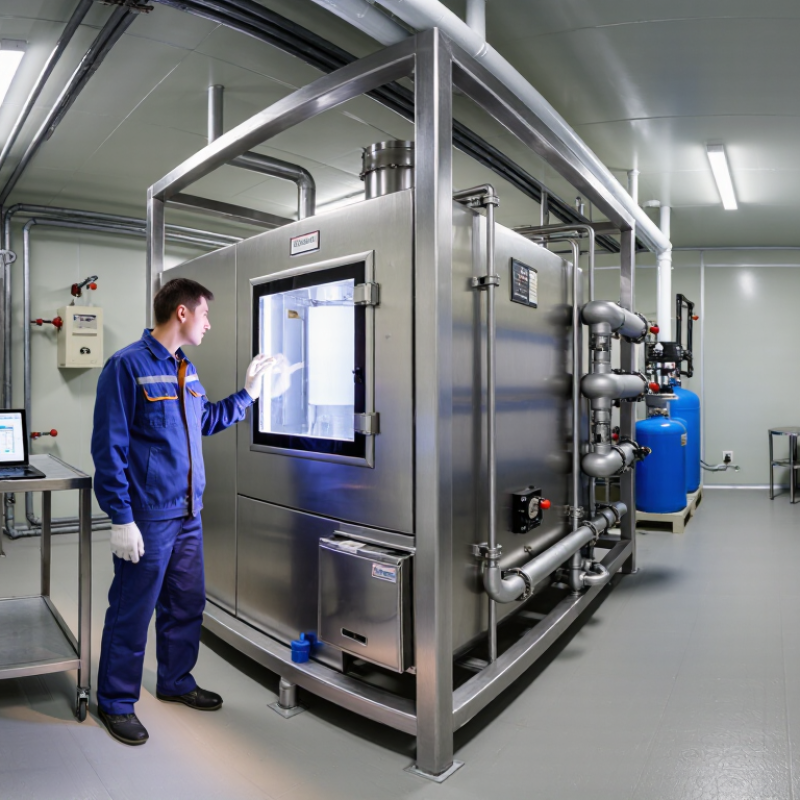
Understanding Sodium Hypochlorite Generators and Their Applications
7 Tips for Buying a Sodium Hypochlorite Generator
Understanding Sodium Hypochlorite Generators and Their Applications
A sodium hypochlorite generator makes disinfectant on site by passing an electric current through salt water. The resulting solution is generally dilute, so operators need suitable tanks, dosing pumps, and safe handling procedures. These systems can serve drinking-water plants, wastewater facilities, and building cooling systems. The right setup depends on daily demand, peak flow, and the required chlorine residual—not just the generator’s maximum output.
Check the operating benchmark. The World Health Organization’s Guidelines for Drinking-water Quality (2022) describe effective chlorination at pH below 8 with at least 0.5 mg/L free chlorine after 30 minutes’ contact. The guidance also gives 0.2 mg/L as a residual at the point of delivery. These figures are not universal setpoints; water quality and local treatment conditions matter. Test the actual water.
Ask how output is verified, how often cells need cleaning, and what happens during downtime. Confirm that salt quality, incoming water, ventilation, and maintenance access match the proposed design. A tidy equipment room can still hide awkward service access. On-site generation may reduce reliance on delivered concentrated bleach, but it does not remove chemical-handling risks. I would also check the supplier’s performance data against measured demand; estimates can miss seasonal peaks.
Assessing Treatment Needs, Output Capacity, and Site Conditions
Map the treatment duty before comparing generator sizes. Record average and peak flow, seasonal changes, and the chlorine demand of the actual water. The WHO Guidelines for Drinking-water Quality give a reference of 0.5 mg/L free chlorine after 30 minutes of contact at pH below 8, and 0.2 mg/L at delivery. These are operational reference values, not universal design settings; water quality and local requirements can change the target. Run demand tests across different conditions. A single clear-water sample may miss a difficult summer peak.
Size the unit by available chlorine output per hour, not tank volume alone. Check whether it can meet peak demand while allowing time for maintenance. A little reserve helps, but oversized equipment can cycle poorly. Inspect the installation area: confirm salt and dilution-water access, drainage, ventilation, and space for service. The U.S. EPA’s Alternative Disinfectants and Oxidants Guidance Manual discusses onsite hypochlorite generation and related operating considerations. Hydrogen is produced during electrolysis, so ventilation and equipment clearances matter. Check the supplier’s engineering documents against the room layout. Measure twice. Existing rooms are rarely as convenient as drawings suggest.
Comparing Generator Types, Materials, and Technical Specifications
When comparing sodium hypochlorite generators, distinguish batch production from continuous operation. Batch units make solution in measured cycles, which can suit variable demand and smaller storage tanks. Continuous systems deliver a steadier supply for processes with predictable daily use. That matters. Ask how output changes when feedwater temperature or salinity varies, not just what the rated capacity says.
Materials affect service life and maintenance. Check electrode construction, cell housing, piping, and seals as separate items. Titanium-based electrodes are common, while compatible plastics such as PVC or HDPE may be used in wetted components. Confirm that seals tolerate the solution and operating temperature. A single mismatched gasket can become a leak point. I would not assume that the most corrosion-resistant material everywhere is automatically the best choice; compatibility depends on the actual operating conditions.
Compare rated output, solution concentration, salt and water requirements, power use, and cleaning intervals. Request test conditions behind each quoted capacity, including feedwater quality. Also inspect the control panel, alarms, ventilation provisions, and hydrogen-management design. Check the details. A polished specification sheet can still omit the maintenance access that matters during a real service call. Ask operators how long routine cleaning takes, and whether replacement parts are easy to identify.
7 Tips for Buying a Sodium Hypochlorite Generator - Comparing Generator Types, Materials, and Technical Specifications
| Tip | Compare | Technical details to check | Practical buyer’s check |
|---|---|---|---|
| 1. Match the generator type to the site | On-site electrochlorination systems produce hypochlorite by electrolyzing a salt solution. Feedwater may be softened freshwater or, in suitable systems, seawater. Units may operate in batch or continuous mode. | Confirm the approved feedwater range, salt type and purity, water-treatment requirements, operating mode, and expected output concentration. Many conventional on-site systems produce dilute hypochlorite, often around 0.6–0.8% by weight; actual output depends on the design and operating conditions. | Have the supplier assess local water hardness, chloride levels, temperature, and required operating schedule. Ask for written performance data for the proposed feedwater—not just standard test conditions. |
| 2. Size for chlorine demand, not tank volume | Compare rated output by available chlorine, rather than by the volume of hypochlorite solution alone. | Check output in kg/day (or lb/day) of available chlorine, turndown range, daily operating hours, and rated output conditions. Request the expected solution concentration and production rate at the same operating point. | Base capacity on peak demand, duty cycle, and a reasonable allowance for maintenance or demand variation. Confirm whether the quoted rating is continuous, intermittent, or dependent on ideal feedwater conditions. |
| 3. Compare cell design and electrode materials | Electrolyzer cell designs and electrode construction vary by manufacturer. Common systems use a titanium substrate with a catalytic coating, but coating composition, geometry, and service life are model-specific. | Request the electrode substrate and coating description, design current and voltage, stated operating limits, cleaning procedure, and replacement interval. Ask how performance is defined at end of electrode life. | Compare documented service-life assumptions and replacement costs, not just initial equipment price. Confirm what warranty applies to electrodes and which operating conditions can void it. |
| 4. Verify wetted-material compatibility | Hypochlorite is corrosive, and compatibility depends on concentration, temperature, exposure time, and other chemicals present. | Review the materials list for tanks, piping, valves, pump heads, and seals. HDPE, suitable PVC/CPVC, and compatible fluoropolymer components are commonly considered for hypochlorite service; suitability must be confirmed for the actual conditions. Metals such as copper and ordinary steel may corrode in hypochlorite service. | Ask for a component-by-component wetted-parts schedule and written compatibility confirmation. Check that dilution, storage, and dosing equipment are included in the review—not only the generator cell. |
| 5. Check electrical and operating specifications | Compare power supply, controls, instrumentation, and utility requirements across the complete system package. | Confirm supply voltage and frequency, connected load, control-panel rating, flow and pressure limits, temperature range, alarms, and required feedwater and brine flows. Verify how production is adjusted and monitored. | Obtain a utility and installation schedule covering electrical service, water treatment, salt storage, drainage, ventilation, and control-system interfaces. Confirm local electrical and installation-code requirements. |
| 6. Treat hydrogen handling as a design requirement | Hydrogen is produced as a by-product of electrolysis. Safe handling depends on equipment layout, ventilation, monitoring, and the applicable site and code requirements. | Ask for the hydrogen venting arrangement, ventilation design basis, hazardous-area assessment where applicable, and alarms or interlocks provided. Confirm that the vent discharge location and design meet applicable local codes. | Request a written safety and ventilation review for the installation location. Do not treat hydrogen management as an optional accessory or rely on a generic ventilation statement. |
| 7. Compare operating cost and service support | Purchase price alone does not represent lifecycle cost. Salt, electricity, water treatment, cleaning, electrode replacement, calibration, and service can affect total cost. | Request estimated consumption per unit of available chlorine, routine maintenance tasks, expected consumable life, spare-parts availability, and recommended service intervals. Ask which measurements require periodic calibration. | Compare quotations using the same output basis and operating assumptions. Confirm operator training, commissioning scope, response times, documentation, and availability of critical spare parts. |
Note: Specifications and material compatibility are model- and site-dependent. Treat figures above as general purchasing guidance; verify final performance, safety requirements, and chemical compatibility with the equipment supplier and qualified site professionals.
Checking Safety Systems, Certifications, and Supplier Expertise
Safety checks should cover the whole installation, not just the generator cabinet. Ask for documented low-flow, overtemperature, and power-failure shutdown tests. Confirm hydrogen ventilation, gas detection where needed, and alarms are tested during commissioning. NIOSH’s Pocket Guide lists a 0.5 ppm, 15-minute ceiling recommended exposure limit for chlorine. Where chlorine exposure is credible, request a site-specific response plan and staff training. Small details matter.
Check what each certificate actually covers. NSF/ANSI/CAN 61 addresses health effects of drinking-water system components; ask whether wetted materials are certified for the intended use. It does not replace equipment safety checks or a site review. WHO’s 2022 Guidelines for Drinking-water Quality give 0.2 mg/L as a minimum free-chlorine residual at delivery, and 0.5 mg/L after 30 minutes’ contact at pH below 8. Treat these as treatment benchmarks, not a generator setpoint. Water demand and chlorine decay vary.
Supplier expertise is easiest to judge through evidence. Request a written sizing basis, material-compatibility review, commissioning checklist, and references from similar water conditions. Ask who responds to alarms after installation, and how quickly replacement parts can arrive. A polished certificate packet can still leave gaps. I would want to see the supplier explain those gaps plainly, even when the answer is inconvenient.
Estimating Operating Costs, Maintenance Needs, and Service Life
Tip: Estimate costs at your expected daily output, not the generator’s maximum rating. Include salt, electricity, water, and routine labor. Ask for consumption figures at your actual operating conditions. Tip: Check whether the estimate includes ventilation, storage, and any required water treatment. Small details matter. A low purchase price can hide costs elsewhere.
Tip: Review maintenance tasks and intervals before comparing equipment. Ask how operators inspect electrodes, remove scale, and verify output concentration. Follow the supplier’s cleaning instructions; do not assume every unit uses the same procedure. Tip: Confirm which parts are replaceable, their expected availability, and the labor needed for service. Keep a buffer. Downtime has a cost too.
Tip: Request a written service-life estimate for the cell and other wear components, with the assumptions clearly stated. Water quality, run time, and maintenance habits can change replacement timing. Tip: Compare warranty coverage and local service response, not just the warranty length. Tip: Track actual salt, power, and maintenance use during the first year, then revise your budget. Estimates are imperfect; revisit them after real operating experience.
Sodium Hypochlorite Generator: Theoretical Operating-Cost Baseline
Minimum salt and electricity inputs per kilogram of available chlorine equivalent
How to use this: These are stoichiometric planning references, not real-world equipment consumption figures. The electricity value assumes a 3.0 V cell and 100% current efficiency; actual salt and power use will be higher and depend on the generator and operating conditions. For a purchase comparison, request guaranteed consumption figures, maintenance requirements, replacement-part costs, and expected component service life.