What is Metal Plate Cutting and How Can It Benefit You?
Metal Plate Cutting is a vital process in various industries. It refers to the accurate division of metal sheets into desired shapes and sizes. This technique enhances efficiency in manufacturing, construction, and repair sectors. With precise cutting, businesses can save time and materials.
Quality metal plate cutting can significantly impact a project’s overall success. It ensures that parts fit together seamlessly, reducing waste and cost. Moreover, skilled technicians leverage advanced tools to achieve high precision. However, not every method is equally effective or suitable.
Choosing the right cutting technique requires careful consideration. Different materials may respond better to laser cutting or plasma cutting. Understanding these variables is essential for optimal results. Hence, businesses should evaluate their needs and potential challenges. Through informed decisions, the benefits of Metal Plate Cutting can be fully realized.
What is Metal Plate Cutting? An Overview of Techniques and Methods
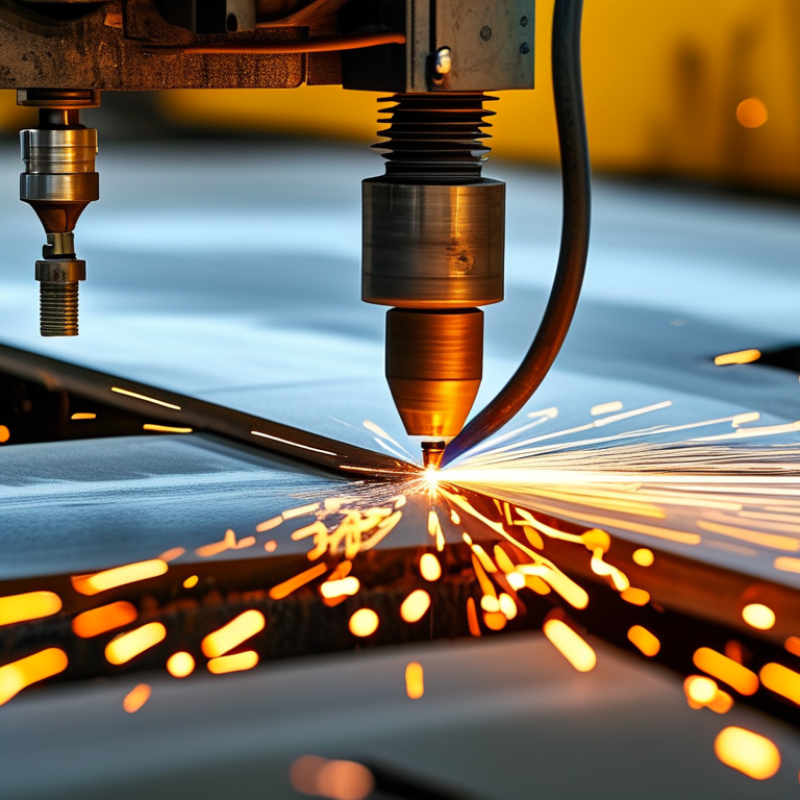
Metal plate cutting is a fundamental process in manufacturing. It involves various techniques to shape and size metal sheets for different applications. Common methods include laser cutting, plasma cutting, and waterjet cutting. These techniques offer precision and flexibility, enabling manufacturers to create intricate designs or simple cutouts.
Laser cutting is widely praised for its accuracy. A high-powered laser beam melts or vaporizes metal, resulting in clean edges. Plasma cutting utilizes an ionized gas to cut through material, providing high speed and efficiency. Waterjet cutting, on the other hand, uses high-pressure water mixed with an abrasive substance. This method is ideal for materials sensitive to heat, ensuring minimal distortion.
Choosing the right technique hinges on project requirements. Each method has strengths and drawbacks. For instance, laser cutting excels in thin materials, while plasma cutting handles thicker sheets effectively. It's essential to assess your needs before selecting a technique.
Engaging with experts in the field can guide you through this process, helping to mitigate common mistakes. Understanding these cutting methods can ultimately enhance productivity and improve product quality in your operations.
The Importance of Precision in Metal Plate Cutting for Industry Applications
Precision in metal plate cutting is crucial in various industry applications. Incorrect cuts can lead to significant resource wastage and project delays. For manufacturing, accuracy ensures that parts fit together seamlessly, reducing the risk of structural failures. In industries like aerospace and automotive, even minor deviations can compromise safety and performance.
Effective metal plate cutting relies on advanced techniques. Laser cutting, for example, offers high precision and clean edges. However, not every project requires such technology. Choosing the right method depends on material type and thickness. Many professionals overlook this aspect, leading to suboptimal results. Regular training and up-to-date knowledge are vital for workers in this field.
Moreover, understanding industry standards is essential. It guarantees compliance and enhances quality control. Mistakes can happen, and it’s important to learn from them. Investing in precision cutting technology can initially seem costly, but the long-term benefits outweigh expenses. Ultimately, precision cutting not only boosts efficiency but also contributes to overall sustainability in manufacturing processes.
Key Industries that Benefit from Metal Plate Cutting Technologies
Metal plate cutting is an essential process across multiple industries. Key sectors such as construction, automotive, and aerospace leverage advanced cutting technologies. According to a recent industry report, the global metal cutting market is projected to reach $187 billion by 2026. This growth is driven by the need for precision and efficiency.
The construction industry often requires durable metal sheets. They are used in structural frameworks and cladding. Precision in cutting reduces waste and enhances the quality of the final product. In automotive manufacturing, companies utilize metal plate cutting to produce components that ensure safety and performance. Efficient cutting methods can reduce production time while maintaining high standards.
**Tips:** When selecting a metal plate cutting service, consider the technology they use. Laser and plasma cutting methods provide superior accuracy. Ensure they can accommodate varying material sizes and thicknesses. Keep in mind that not all cutting services are equal; some may lack the latest technology. Always request a portfolio of their past work to assess their capabilities.
Metal Plate Cutting Benefits Across Key Industries
Cost-Effectiveness: How Metal Plate Cutting Reduces Material Waste
Metal plate cutting is an essential process in manufacturing. It enables precise cuts that minimize material waste. According to industry reports, efficient cutting methods can reduce waste by up to 30%. This reduction translates directly into cost savings. When companies use metal sheets wisely, they avoid losing valuable materials and expenses related to scrap disposal.
The benefits also extend to sustainability. Less waste means a smaller environmental footprint. Employing techniques like laser cutting ensures high accuracy, cutting only what is needed. This method not only saves materials but also minimizes the energy consumed during production. A recent study indicates that businesses can save approximately 15% in energy costs through optimal cutting practices.
Tips: Always review your cutting plans. Double-check measurements before executing cuts. This can prevent unnecessary waste. Regular training for staff on the latest cutting techniques can significantly improve accuracy too. Investing in quality machinery often leads to better performance and less waste.
What is Metal Plate Cutting and How Can It Benefit You? - Cost-Effectiveness: How Metal Plate Cutting Reduces Material Waste
| Process | Material Type | Typical Waste Reduction (%) | Cost Savings per Project ($) |
| Laser Cutting | Steel | 30% | 1500 |
| Waterjet Cutting | Aluminum | 25% | 1200 |
| Plasma Cutting | Stainless Steel | 20% | 1000 |
| Flame Cutting | Carbon Steel | 15% | 800 |
| Nibbling | Copper | 10% | 600 |
Innovative Technologies in Metal Plate Cutting: Trends to Watch in 2023
In 2023, the landscape of metal plate cutting is evolving rapidly. Innovative technologies are shaping the industry. One prominent trend is the rise of laser cutting. Reports indicate that laser cutting technology holds about 30% of the market share in metal fabrication. It offers precision and speed that traditional methods struggle to match.
Plasma cutting is another technology gaining traction. This method enables faster operations with less material waste. Statistics show that companies utilizing plasma cutting can reduce production costs by up to 20%. Such advancements are prompting businesses to rethink their cutting strategies.
Tip: Consider investing in training programs for your team. Skilled operators enhance the efficiency of modern cutting technologies.
Moreover, automation is transforming workflows. Integrating automated systems can dramatically improve work efficiency. Some studies suggest companies adopting automation have seen a 40% increase in productivity. It's essential to embrace these advancements to remain competitive.
Tip: Regularly evaluate your cutting processes. Identify areas where technology could enhance performance. Small adjustments can lead to significant improvements.
The future of metal plate cutting looks promising. There's a clear trend towards sustainability as well. Companies are focusing on reducing their carbon footprint while improving cutting accuracy. Staying informed about these trends is crucial for success.