What is Mcb Calibration Machine and How Does It Work?
The MCB Calibration Machine plays a vital role in ensuring electrical safety and accuracy in various industries. Calibration is essential to maintain the performance of Miniature Circuit Breakers (MCBs), which protect electrical circuits from overload and short circuits. According to a recent industry report, accurate calibration can reduce malfunctioning incidents by up to 30%. This highlights the importance of regular calibration and the efficiency of using specialized machines.
An MCB Calibration Machine works by simulating electrical conditions to test and fine-tune MCBs. Understanding its operations can lead to improvements in reliability and safety standards. However, while these machines are designed to provide precise measurements, issues can arise with operator training and machine maintenance. Proper training and ongoing education are crucial for maximizing their effectiveness.
As industries continue to evolve, the demand for reliable calibration methods increases. A well-calibrated MCB can prevent potential hazards, leading to safer working environments. As technology advances, industries must adapt. The integration of smart technologies within calibration processes shows promise but also requires careful consideration of new challenges.
What is an MCB Calibration Machine?
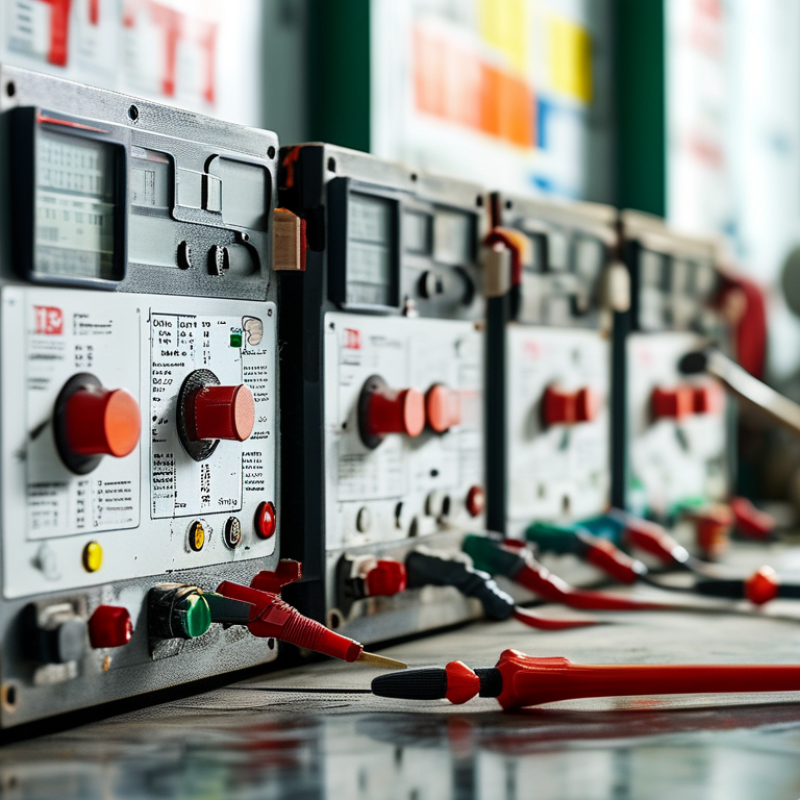
An MCB Calibration Machine ensures the accuracy of miniature circuit breakers (MCBs). This device tests an MCB's performance by simulating electrical conditions. It checks how well MCBs react to overcurrent or short circuit situations. The calibration process is vital for maintaining electrical safety standards.
Calibration machines are built to replicate specific scenarios. They often feature adjustable parameters to fine-tune the tests. This way, you can accurately measure the response time and trip characteristics of the MCB. Such devices guarantee that the breakers operate within required limits. It's important to monitor them regularly to prevent failures.
Tips: Regularly test your calibration machine. This ensures its reliability when measuring MCBs. Maintain a log of all calibration activities. Documentation helps trace back any discrepancies. Always keep an eye on performance trends over time. This can reveal patterns needing further investigation.
Key Components of an MCB Calibration Machine
An MCB (Miniature Circuit Breaker) Calibration Machine is essential in ensuring the accurate functioning of electrical systems. Its key components play a significant role in this process. The machine typically includes a control unit, testing circuit, and measurement devices. The control unit directs operations, while the testing circuit simulates various electrical conditions. Measurement devices record how the MCB responds under those conditions.
Tips: Ensure all components are calibrated regularly. This can enhance the reliability of results.
The measurement devices are crucial for capturing data on tripping times and current ratings. A precision resistive load may be employed to test the MCB’s settings. The interaction between these components facilitates a detailed analysis of the circuit breaker’s performance. Calibration helps to avoid equipment failure and enhance safety.
Tips: Regular calibration checks should be part of routine maintenance. It may seem tedious, but it significantly improves system longevity.
Lastly, documentation plays a vital role. Keeping precise records of each calibration process helps track changes over time. This can guide future adjustments and provide compliance evidence during inspections. A poorly documented calibration process can lead to uncertainty about device performance. Clear documentation eliminates ambiguity and fosters trust in the calibration results.
How MCB Calibration Machines Operate
MCB calibration machines play a vital role in maintaining electrical safety. These devices ensure that miniature circuit breakers (MCBs) function correctly under specified conditions. They test the trip mechanisms of MCBs to verify their reliability and performance.
The operation of MCB calibration machines is quite intricate. Initially, the MCB is connected to the machine, which begins a series of tests. It applies specific current levels to the MCB, simulating various loads. During this process, the machine records the trip time and current characteristics. Each model has distinct specifications, making tailored calibration essential. Adjustments can sometimes be needed to ensure compliance with these specifications.
Issues may arise during testing. For instance, an MCB might trip too quickly or late. Understanding these discrepancies requires experience and technical know-how. Technicians must analyze results carefully and implement changes to improve performance. Reliable calibration enhances safety in electrical systems. Even minor inaccuracies can lead to serious consequences, emphasizing the importance of precision in these operations.
Benefits of Using MCB Calibration Machines
MCB calibration machines play a crucial role in ensuring the accuracy and reliability of electrical systems. These devices calibrate miniature circuit breakers (MCBs) to confirm they function within specified parameters. Proper calibration enhances safety and efficiency in electrical installations.
Using MCB calibration machines comes with several benefits. They ensure accurate measurement and adjustment of MCB settings. This precision prevents electrical failures and potential hazards. Regular calibration ensures that MCBs react correctly during overloads or short circuits, protecting equipment and users. Additionally, calibration can extend the lifespan of electrical components by preventing unnecessary wear.
Tips: Regular checks can uncover issues early. Schedule calibration at consistent intervals. Familiarize yourself with the machine’s settings for better results. It’s essential to document each calibration session. Accurate records help identify patterns and recurring problems.
Investing in MCB calibration enhances system reliability. Faulty breakers can lead to significant downtime and costly repairs. Moreover, proper calibration instills confidence in electrical work. A well-calibrated MCB aligns with safety regulations, reducing compliance risks. Without this crucial step, equipment may fail, leading to unexpected challenges.
What is Mcb Calibration Machine and How Does It Work? - Benefits of Using MCB Calibration Machines
| Feature | Description |
| Precision | Ensures accurate measurements of MCBs to maintain quality standards. |
| User-friendly Interface | Easy navigation and operation for technicians of all skill levels. |
| Compact Design | Space-saving structure suitable for workshops with limited space. |
| Calibration Standards | Compatible with international calibration standards for reliability. |
| Portability | Allows easy transportation for on-site calibration tasks. |
| Error Detection | Identifies and indicates potential errors during calibration. |
| Cost Efficiency | Reduces downtime and operational costs with efficient testing. |
Applications of MCB Calibration Machines in Industry
MCB calibration machines play a critical role in various industries. These machines ensure that miniature circuit breakers, or MCBs, function correctly and reliably. In manufacturing, these devices maintain safety standards. They prevent potential electrical failures, which could lead to severe consequences. MCB calibration machines help verify the breaking capacity of circuit breakers. This process involves controlled testing to assess performance under specific conditions.
In the utility sector, accurate calibration is essential. MCBs must perform precisely to protect equipment and personnel. Regular inspections of these devices enhance operational reliability. Calibration machines simulate real-world conditions. This ensures that MCBs respond appropriately to overloads or short circuits.
Calibration is not just about accuracy; it’s also about accountability. Operating a calibration machine requires trained professionals. They must understand the machine's intricacies and the testing protocols. Misalignment can lead to incorrect results. This highlights the importance of continuous education and training in the field. Industries must also reflect on their calibration practices to improve safety and efficiency. Regular reviews can lead to better outcomes, ensuring that the MCBs meet industry standards.
MCB Calibration Machines Usage by Industry
This bar chart illustrates the percentage usage of MCB calibration machines across various industries. Manufacturing leads with 30%, followed by the automotive sector at 25%. Aerospace, electronics, and construction industries utilize these machines at lower rates of 20%, 15%, and 10% respectively.