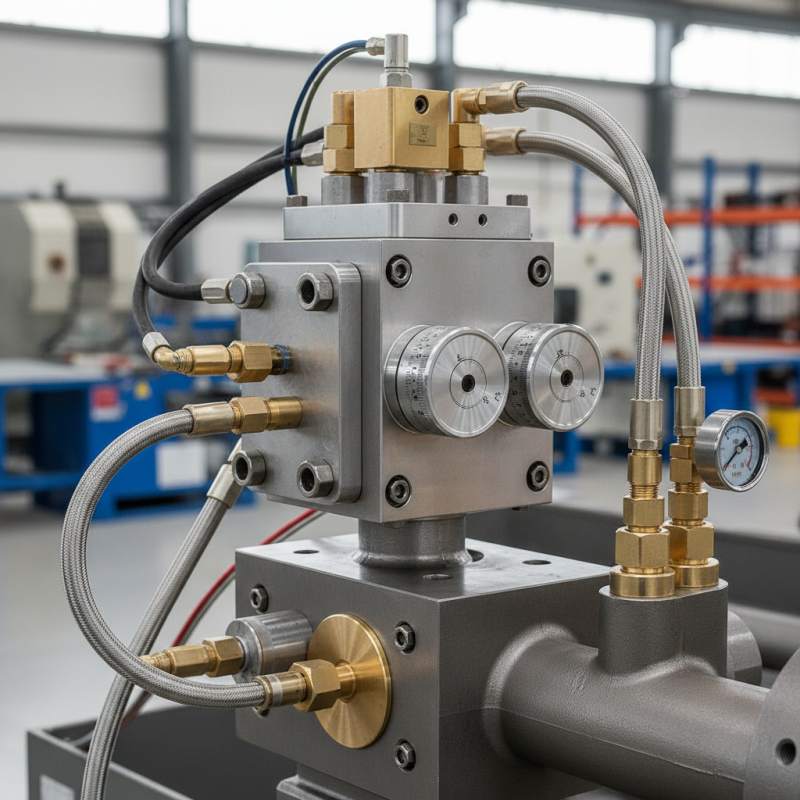
What is a Hydraulic Proportional Valve and How Does It Work?
A Hydraulic Proportional Valve is essential in modern hydraulic systems. It controls the flow and pressure of hydraulic fluids. This valve adjusts based on input signals, offering precise control over machinery.
In many industries, hydraulic systems rely on these valves to function effectively. They provide smooth operation in various applications, from industrial machinery to automotive systems. Understanding how the Hydraulic Proportional Valve functions can reveal its importance. However, the mechanics behind it can be complex. Some may struggle to grasp its full potential.
Despite its advantages, the Hydraulic Proportional Valve may present challenges. Improper setup leads to inefficiencies and unexpected results. Users must be cautious and aware of potential pitfalls. Exploring these issues may enhance your understanding and application of this crucial component.
What Is a Hydraulic Proportional Valve?
A hydraulic proportional valve is essential in fluid control systems. It regulates the flow and pressure of hydraulic fluid. This device can adjust its output based on an input signal. It creates smooth, controlled movements in machinery. Many industries rely on these valves to ensure efficiency.
When using a hydraulic proportional valve, consider your fluid’s properties. Temperature and viscosity affect performance. Additionally, the valve’s installation plays a crucial role in its effectiveness. Make sure to follow guidelines closely. A small mistake here can lead to system failures.
Tips: Regular maintenance is key. Inspect the valve for wear and tear. Clean it periodically to prevent buildup. This simple step can extend its lifespan significantly. Also, calibrate the input signal often. This will ensure accurate control and prevent issues. Adjustments might be necessary over time.
Key Components of a Hydraulic Proportional Valve
Hydraulic proportional valves are essential components in hydraulic systems. They control the flow and pressure of hydraulic fluid based on input signals. Understanding their key components can help you better appreciate their function and maintenance.
One crucial part is the spool. It shifts in response to an electrical signal. This movement adjusts the fluid's flow direction. Another important component is the actuator. It translates the electrical signal into physical movement. This allows for more precise control over hydraulic power. An integrated feedback system monitors the valve position too. It ensures accurate performance.
Tips for maintaining these valves include regular inspections. Look for signs of wear and tear. Any leakage can indicate issues. Clean the area around the valve. Dirt can impair its function. Check electrical connections often. A poor connection can lead to erratic behavior.
Reflect on your usage. If you notice inconsistent performance, consider recalibrating your system. Hydraulic systems can be complex but educating yourself on their components enhances your understanding. Regular maintenance prevents costly repairs and improves efficiency.
What is a Hydraulic Proportional Valve and How Does It Work? - Key Components of a Hydraulic Proportional Valve
| Component | Function | Material | Typical Application |
| Control Valve | Regulates fluid flow and pressure | Aluminum or Steel | Construction machinery |
| Proportional Electromagnet | Controls valve position based on electrical signal | Copper and Iron | Robotic systems |
| Pressure Sensor | Monitors system pressure for feedback control | Stainless Steel | Industrial automation |
| Flow Regulator | Ensures consistent flow rates | Brass or PVC | Agricultural equipment |
| Directional Valve | Controls the direction of fluid flow | Aluminum or Plastic | Manufacturing machines |
How Hydraulic Proportional Valves Operate
Hydraulic proportional valves play a crucial role in many hydraulic systems. They control the flow and pressure of hydraulic fluid with precision. This ensures smooth operation. The function of these valves relies on a command signal. A small electrical signal can influence larger hydraulic movements. This kind of control is vital for machinery that requires fine adjustments.
When a command signal is received, the valve responds quickly. This response allows the system to adjust flow rates seamlessly. If the signal increases, the valve opens wider. A decrease causes the valve to close partially. This dynamic adjustment enhances efficiency in tasks such as lifting heavy loads. However, the setup can be complex. Improper tuning may lead to sluggish responses or erratic movements.
Moreover, the mechanics of a hydraulic proportional valve require careful maintenance. Accumulation of dirt can affect sensitivity. Regular checks should be part of a maintenance routine. Without them, performance may decline, leading to unexpected failures. Operators must remain vigilant about calibration. These valves showcase the balance of precision and practicality in hydraulic systems.
Applications of Hydraulic Proportional Valves in Industry
Hydraulic proportional valves play a crucial role in various industries. They regulate fluid flow and pressure, allowing precise control over hydraulic systems. These valves adjust the flow rate based on electrical signals. Their ability to modulate flow makes them ideal for applications requiring smooth operation.
In manufacturing, hydraulic proportional valves are common in machines that require accurate positioning. They enhance the performance of robotic arms, enabling them to move fluidly and with precision. In the construction industry, these valves help operate heavy machinery such as excavators. The improved control can significantly reduce errors in operations.
However, challenges exist. Maintenance can be complex, and improper calibration can lead to inefficiencies. Sometimes, users may overlook signs of wear or malfunction, leading to system failures. Identifying these issues is essential for optimal performance. Adjusting settings can be tricky and requires ongoing attention. Continuous monitoring and proper training can improve overall effectiveness while mitigating potential drawbacks.
Benefits of Using Hydraulic Proportional Valves
Hydraulic proportional valves play a crucial role in modern machinery. They offer precise control over hydraulic flow and pressure. This reliability enhances efficiency in various industrial applications. Using these valves can significantly reduce energy consumption. That means lower operational costs too.
One major benefit is their adaptability. These valves can adjust to different load conditions. They respond instantly to changes, providing smoother operation. In industries where precision is key, this adaptability is essential. Operators can achieve fine-tuned movements, which leads to improved productivity.
Tips: Regular maintenance is crucial. Check for leaks or unusual noises in your hydraulic system. Small issues can escalate quickly. Always monitor performance to ensure optimal operation. Also, ensure your system works well under various conditions. This can prevent unexpected failures and costly downtimes. Taking these precautions can save time and money in the long run.