2026 How to Choose Aluminium Extrusion Slide Rail for Your Projects?
When embarking on a project that requires precise movement and durability, choosing the right Aluminium Extrusion Slide Rail is crucial. The right choice can enhance functionality and ensure long-term performance. However, the selection process can seem overwhelming. Many factors need careful consideration.
Aluminium Extrusion Slide Rails come in various shapes and sizes. Each type has unique properties that affect its suitability for specific applications. Do you need lightweight rails for portability? Or robust ones for heavy-duty tasks? Understanding these requirements can greatly influence your project's success.
Moreover, it's essential to evaluate the manufacturing quality of these rails. Not all suppliers provide the same level of excellence. Evaluating the reputation and capabilities of manufacturers may reveal inconsistencies. Taking the time to do thorough research can prevent future issues. Reflecting on these aspects will empower you to make informed decisions about selecting Aluminium Extrusion Slide Rails for your projects.
Understanding Aluminium Extrusions and Their Applications
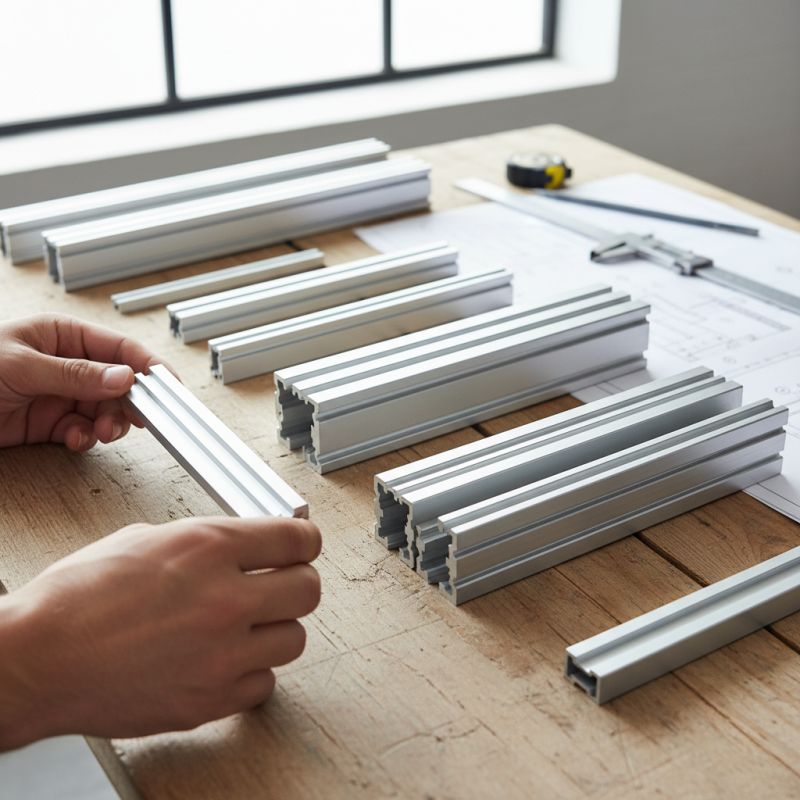
Understanding aluminium extrusions is crucial for effective project planning. Aluminium extrusion involves shaping the metal by forcing it through a die. This technique creates complex shapes tailored for different applications. The resulting profiles are versatile. They can adapt to diverse conditions, making them suitable for various uses in construction and manufacturing.
Aluminium extrusions come in numerous forms. These include channels, angles, and tubes. Each type serves specific functions. For example, channels are ideal for framing, while tubes are perfect for structural support. Moreover, aluminium is lightweight yet strong. This combination is beneficial in reducing transportation costs and enhancing performance.
Choosing the right aluminium extrusion is challenging. It requires understanding project needs and material properties. Factors like weight, strength, and corrosion resistance must be considered. While it seems straightforward, mistakes can lead to costly issues. Hence, researching and consulting experts can improve decisions.
2026 How to Choose Aluminium Extrusion Slide Rail for Your Projects?
| Dimension (mm) | Weight (kg/m) | Load Capacity (kg) | Surface Treatment | Common Applications |
| 20 x 40 | 1.2 | 50 | Anodized | Industrial Frames |
| 30 x 60 | 2.3 | 120 | Powder Coated | Conveyor Systems |
| 40 x 80 | 4.5 | 300 | Brushed Finish | Workstations |
| 50 x 100 | 6.2 | 600 | Clear Anodized | Heavy Machinery |
| 80 x 160 | 9.1 | 1000 | Black Anodized | Structural Support |
Key Factors to Consider When Choosing Slide Rails
When choosing aluminium extrusion slide rails, several key factors play a crucial role in your project's success. One primary consideration is the load capacity. Each rail has a specific weight limit. Ensure it matches your application needs. For heavy machinery, opt for a robust design. Light-duty rails serve well for smaller applications.
Another critical aspect is the environment in which the slide rails will operate. Exposure to corrosive substances or extreme temperatures can impact performance. Selecting a suitable alloy or protective finish extends the lifespan of your slide rails. Consider anodizing for additional corrosion resistance. Additionally, assessing the compatibility with existing components is vital. A mismatch can lead to inefficiencies and increased maintenance costs.
Precision in manufacturing is equally important. High-quality slide rails should have tight tolerances to ensure smooth operation. Poorly made parts might cause binding or excessive wear over time. Be wary of lower-cost options; they may lack needed durability. Reflecting on these factors will help refine your choice. The right slide rail can optimize performance and enhance project outcomes significantly.
Comparing Different Types of Aluminium Alloys for Extrusions
When selecting aluminum extrusion slide rails, understanding the types of aluminum alloys is crucial. Different alloys have distinct properties that affect their performance and suitability for various applications. For instance, the 6061 alloy, commonly used in structural applications, offers good mechanical properties and corrosion resistance. According to engineering reports, this alloy has a tensile strength of about 310 MPa and excellent weldability.
In contrast, the 6063 alloy is typically used for architectural applications. It is easier to extrude and provides a smoother finish. However, its tensile strength is lower, around 240 MPa. This trade-off highlights the importance of matching the alloy to project requirements. Overlooking the specific needs of your project may lead to structural failures or increased maintenance costs over time.
Many professionals rely on empirical data when choosing the right alloy. Industry studies often reveal that 70% of engineers prioritize mechanical properties in their material selection process. While it is essential to consider strength, other factors like weight, workability, and surface finish shouldn't be neglected. Each project is unique, and understanding these nuances can help avoid costly mistakes.
Evaluating Load Capacity and Durability Requirements
When selecting an aluminium extrusion slide rail for your project, load capacity and durability are crucial factors. Estimate the maximum weight the rail will bear. Consider the dynamic and static loads separately. For example, a slide rail used in a machine must handle both the weight of the components and the forces during operation. Understanding these loads can prevent future failures.
Durability is another key area to focus on. Examine the environmental conditions where the slide rail will be used. Will it face exposure to moisture or extreme temperatures? Choosing the right alloy can enhance performance in harsh conditions. Regular maintenance is also necessary to extend the rail's life. For instance, dirt accumulation can affect sliding performance and lead to wear.
Evaluate your project’s unique needs. Customizing dimensions and profiles can optimize functionality. However, this process requires careful thought and testing. Mistakes in these areas can have costly implications. Assessing load capacity and durability requires a balance between theory and practical applications. It’s important to learn from past experiences to make informed decisions.
Cost Analysis and Supplier Selection for Aluminium Slide Rails
When selecting aluminium slide rails for a project, the cost is a crucial factor. Prices can vary significantly based on quality, design, and supplier. Always compare quotes from different suppliers. Sometimes, a lower price can lead to poor quality products that may cause failures later on.
Consider the material grade used in construction. Higher-grade aluminium tends to cost more but usually offers better durability. This choice leads to fewer long-term expenses. Checking supplier reliability is also vital. Look for reviews, past project success stories, and product warranties. These can indicate whether a supplier is trustworthy.
Don’t overlook the importance of understanding your project needs. Different applications will require different specifications. If you misjudge your requirements, you might end up spending more on unsuitable materials. Reflecting on past projects can provide insights into better choices. A thoughtful analysis can save time and costs while ensuring quality.
Cost Analysis of Aluminium Extrusion Slide Rails by Type