Essential CNC Lathe Tips for Global Buyers to Enhance Production
Navigating the world of CNC lathe purchasing can be daunting. Buyers often face a myriad of choices that impact production quality and efficiency. Understanding essential CNC lathe tips is crucial for making informed decisions. Effective strategies can lead to significant improvements in manufacturing processes.
When investing in a CNC lathe, consider the machine's specifications. These details directly influence performance and production capacity. Factors such as spindle speed, tooling options, and software capabilities should not be overlooked. Inexperienced buyers might overlook these aspects, leading to suboptimal choices. Research and expert advice play a critical role in differentiating between models.
Additionally, regular maintenance and operator training are vital. Neglecting these factors can result in higher costs and equipment failures. It’s essential to create a culture of continuous improvement within teams. Global buyers must remain vigilant and adaptive to new technologies. The CNC lathe landscape is ever-evolving, requiring a proactive approach to remain competitive.
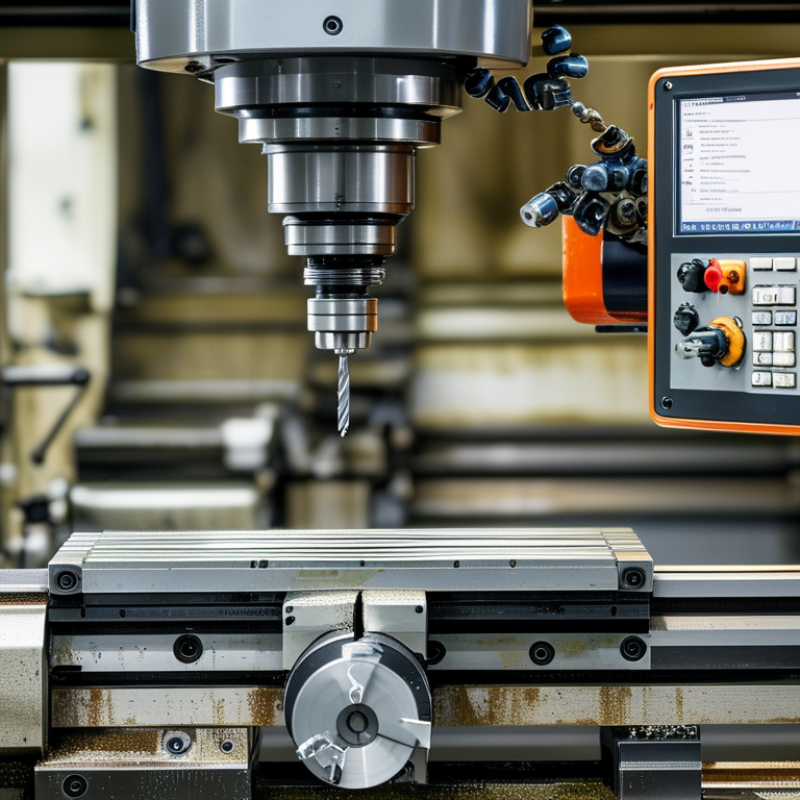
Essential Features to Look for in CNC Lathes for Global Buyers
When selecting a CNC lathe, global buyers must prioritize essential features. Precision is a key consideration. Look for models that offer tight tolerances. This ensures that components meet exact specifications. High-quality spindle performance is also vital. A reliable spindle reduces vibration and improves surface finish.
Another critical feature is the control system. User-friendly interfaces enhance operational efficiency. Buyers should favor machines capable of integrating with CAD/CAM systems. This integration streamlines production processes significantly. Furthermore, assess the machine's rigidity. A robust structure enhances stability during cutting.
Buyers should also reflect on their specific production needs. Not all lathes suit every application. Consider the size and weight of the parts being manufactured. High-speed machining may not be necessary for heavier components. Each production environment is unique, and understanding these details can guide better choice.
Essential CNC Lathe Features for Enhanced Production
Understanding Different CNC Lathe Specifications and Their Benefits
When selecting a CNC lathe, understanding specifications is crucial for global buyers. Various specifications, such as spindle speed, tool capacity, and swing diameter, directly impact machining capability. Higher spindle speed allows for faster production rates. A larger swing diameter enables the use of bigger workpieces. Tool capacity plays a vital role in the variety of operations possible without frequent tool changes.
Buyers must also consider the bed length and rigidity of the machine. A longer bed can accommodate larger parts, while rigidity ensures precise cuts. Many buyers overlook this aspect, leading to diminished accuracy in production. Maintenance requirements are another important factor. Machines with higher maintenance needs can disrupt production schedules. Balancing initial costs with long-term reliability is essential.
Furthermore, understanding the software and control units is invaluable. User-friendly interfaces can significantly reduce training time. On the other hand, complex systems may require specialized knowledge. This can create a barrier for some buyers. Not all specifications will meet every production need, and misalignment can lead to inefficiencies. Ultimately, taking the time to evaluate these details is key for a successful CNC lathe investment.
Tips for Optimizing CNC Lathe Setup for Enhanced Productivity
Optimizing the setup of CNC lathes is crucial for enhancing productivity in machining operations. Research shows that approximately 40% of machining time can be lost due to inefficient setups. To combat this, streamlining the setup process is essential. This includes a systematic approach to tool selection and preparation. Ensuring all necessary tools are organized can reduce downtime and increase efficiency.
Moreover, using quick-change tool holders can significantly expedite tool changeovers. Studies estimate that implementing such systems can lead to a 25% increase in production rates. However, it's not just about speed. The quality of the setup also impacts the overall output. Regular checks and calibrations are vital to maintain precision. Companies need to reflect on their setup procedures and be open to revising outdated practices.
Employee training is another critical factor. Well-trained staff can execute setups faster and with greater accuracy. However, many organizations underestimate this aspect. A survey indicated that 30% of lathe operators feel unprepared for efficient setups. Fostering an environment that encourages continuous learning can bridge this gap. Productivity is not just about machinery; it's also about the people who operate it.
Common Mistakes to Avoid When Purchasing CNC Lathes
When purchasing CNC lathes, many global buyers overlook crucial details. One common mistake is not understanding the specific requirements of their production processes. Make sure to evaluate your needs carefully. This ensures you choose the right machine for your applications.
Another mistake is focusing only on price. While budget is important, investing in quality can save costs in the long run. A cheaper machine might seem appealing but can lead to higher maintenance expenses and downtime. Prioritize reliability over low cost.
Don’t forget to consider the support available post-purchase. Verify the availability of technical support and training. Machines require regular maintenance and troubleshooting. Ensure you have access to quality resources to assist you. This could prevent operational delays and frustration.
Best Maintenance Practices for Longevity and Efficiency of CNC Lathes
Maintaining CNC lathes is crucial for optimizing their longevity and efficiency. Regular cleaning is essential. Accumulated chips and coolant residues can damage components. Operators should use brushes and vacuum systems to keep machinery clean. Frequent inspections help identify wear before issues escalate. Small problems can be fixed easily and prevent larger, costly repairs.
Lubrication is another vital practice. Proper lubrication reduces friction and wear. Yet, it's important not to over-lubricate. Excess grease can attract dirt and debris, leading to unexpected breakdowns. Training staff on lubrication techniques can ensure they apply just the right amount. Scheduling regular maintenance checks is wise. Balancing production needs with maintenance can be challenging, but investing time in upkeep pays off.
Operators often overlook the calibration of CNC lathes. Misalignment can lead to errors in production. Regular checks on tool alignment and diameter settings can help maintain precision. Keeping a maintenance log adds accountability. Documenting repairs can highlight patterns that demand attention. Regular training sessions can improve awareness and reduce operator errors over time. Continuous learning and adjustments are key to enhancing CNC lathe performance.