How to Choose the Right Warehouse Racking System?
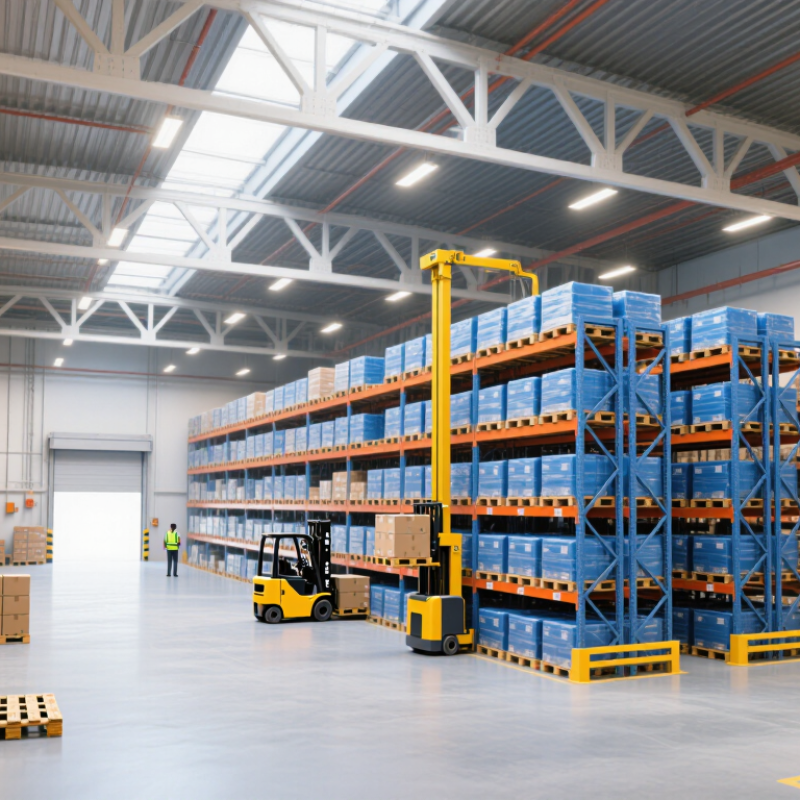
Choosing a Warehouse Racking System is not simply a matter of fitting the most shelves into a building. The right setup should support the products, equipment, and daily movement of your operation. A pallet of bottled goods, for example, places different demands on a rack than cartons picked by hand. Aisle width, ceiling height, floor condition, and forklift turning space all influence what will work safely and efficiently.
Begin with the details you can measure. Record product dimensions and weights, inventory turnover, pallet sizes, and the handling equipment used on each shift. Then compare options such as selective pallet racking, drive-in systems, and shelving against those needs. Check rated capacities and installation requirements with the rack manufacturer or a qualified professional; a layout that looks efficient on paper may not suit your actual loads. Small details matter.
The best choice also leaves room for change. Seasonal stock, new equipment, or a different picking process can make a once-practical layout awkward. Consider access, inspection, maintenance, and future expansion alongside storage density. There may be no perfect system, and that is worth admitting. A careful decision comes from balancing measurable requirements with the realities of the warehouse floor, then reviewing the plan before installation. This guide outlines the key questions to ask so you can choose a Warehouse Racking System that fits your operation rather than forcing your operation to fit the racks.
Assessing Storage Needs, Inventory, and Warehouse Operations
Start with the stock. Record each item’s dimensions, weight, and turnover rate, then note how often it is picked. Fast-moving cartons may belong near packing areas, while slower stock can occupy less accessible locations. Measure ceiling height, floor condition, columns, doors, and sprinkler clearance before comparing rack layouts. A tape measure and a marked floor plan can reveal constraints that a drawing misses.
Then match the system to daily work. Check forklift turning space, picking methods, replenishment routes, and peak-season volume. Deep storage can use space efficiently, but may slow access when workers need a specific pallet. Select rack capacities using verified load data, and make sure the design suits the actual pallets and handling equipment. Forecasts are often wrong. Leave room for change, but avoid paying for capacity your operation cannot use. Revisit the plan after observing a normal shift; small bottlenecks near an aisle or packing bench can matter more than the storage total.
How to Choose the Right Warehouse Racking System? - Assessing Storage Needs, Inventory, and Warehouse Operations
| Racking System | Typical Inventory Profile | Storage Density | Selectivity and Stock Rotation | Operational Requirements | Best Fit | Key Trade-Off |
|---|---|---|---|---|---|---|
| Selective Pallet Racking | Many SKUs with a small or moderate number of pallets per SKU; mixed product sizes. | Low to moderate. Aisles are needed for forklift access to each storage position. | Direct access to every pallet; supports FIFO or LIFO depending on inventory procedures. | Works with standard forklifts, subject to aisle width, lift height, and load requirements. | Warehouses prioritizing easy access, frequent picking, and flexible SKU changes. | Uses more aisle space than high-density systems. |
| Double-Deep Racking | Fewer SKUs with multiple pallets per SKU and reasonably consistent pallet dimensions. | Moderate to high. Two pallet positions are stored deep on each side of an aisle. | Front pallets must be moved to reach rear pallets; rear positions have reduced selectivity. | Usually requires a deep-reach truck and compatible aisle layout. | Operations seeking more pallet positions while retaining access to multiple product lines. | Requires specialized equipment and can complicate access to rear pallets. |
| Drive-In / Drive-Through Racking | Large batches of the same SKU, with few product lines and stable pallet dimensions. | High. Forklifts enter storage lanes, reducing the number of access aisles. | Drive-in commonly operates LIFO; drive-through can support FIFO when loading and unloading occur at opposite ends. | Operators drive into lanes; pallet and rack clearances require careful control. | Bulk storage of seasonal goods or uniform products with limited SKU variety. | Lower selectivity and greater care needed to avoid rack or pallet impacts. |
| Pallet Flow Racking | High-volume pallet quantities per SKU with regular replenishment and dispatch. | High. Pallets move through inclined lanes, reducing forklift travel into the storage area. | Typically FIFO: pallets are loaded at one end and retrieved at the other. | Requires flow lanes, compatible pallets, and controlled loading and replenishment practices. | Fast-moving products where stock rotation and predictable replenishment are important. | Higher system complexity; lane performance depends on pallet condition and product consistency. |
| Push-Back Racking | Several pallets per SKU, often arranged in short lanes for batch storage. | High. Multiple pallets are stored deep from the aisle on nested carts or rollers. | Generally LIFO: the most recently loaded pallet is retrieved first. | Forklift loading pushes existing pallets farther into the lane; operators need lane-specific procedures. | Products stored in batches when greater density is needed than selective racking provides. | Not suitable when strict FIFO rotation or direct access to each pallet is required. |
| Carton Flow Racking | Fast-moving cases or totes picked individually from cartons. | Moderate to high for forward-pick areas, depending on lane depth and replenishment space. | Usually FIFO within a lane as cartons move from the replenishment side to the picking face. | Needs orderly replenishment and cartons or totes that move reliably on the flow track. | Order-picking zones with frequent case-level picks and replenishment from reserve storage. | Lane capacity and product fit must be planned around carton dimensions and demand. |
| Cantilever Racking | Long, bulky, or irregular items such as pipe, timber, and metal sections. | Moderate. Open fronts allow long items to be stored without front columns. | Direct access to stored loads; stock rotation depends on the loading and picking process. | Requires suitable material-handling equipment and properly supported, balanced loads. | Storage of products that do not fit safely or efficiently on standard pallet beams. | Load dimensions, arm configuration, and floor layout can limit capacity and flexibility. |
Planning note: Storage capacity, aisle widths, rack dimensions, and load limits depend on the building, handling equipment, pallet or product specifications, and applicable safety requirements. Confirm final designs and rated capacities with a qualified rack designer or engineer.