2026 How to Choose the Right Mechanical Press Brake for Your Needs?
Choosing the right mechanical press brake is crucial for manufacturers aiming for precision and efficiency. According to a recent industry report by the Fabricators & Manufacturers Association, 52% of manufacturers reported increased productivity after upgrading their press brake systems. A mechanical press brake is a staple in metal forming operations. It allows for high accuracy in bending processes, which is essential for creating complex shapes.
The options available can be overwhelming. From hydraulic to electric models, each has unique benefits. However, many businesses overlook the significance of choosing the right specifications, leading to inefficiency. For instance, a study indicated that 35% of users felt their equipment lacked the required tonnage for their projects. This raises the need for careful consideration.
Evaluating your specific needs is fundamental. Factors such as bending capacity, tooling options, and automation features can significantly affect performance. Research also shows that incorporating the latest technology can reduce error rates by up to 25%. A thorough understanding of these elements ensures that you select a mechanical press brake that not only meets your demands but also enhances overall production quality.
Factors to Consider When Selecting a Mechanical Press Brake
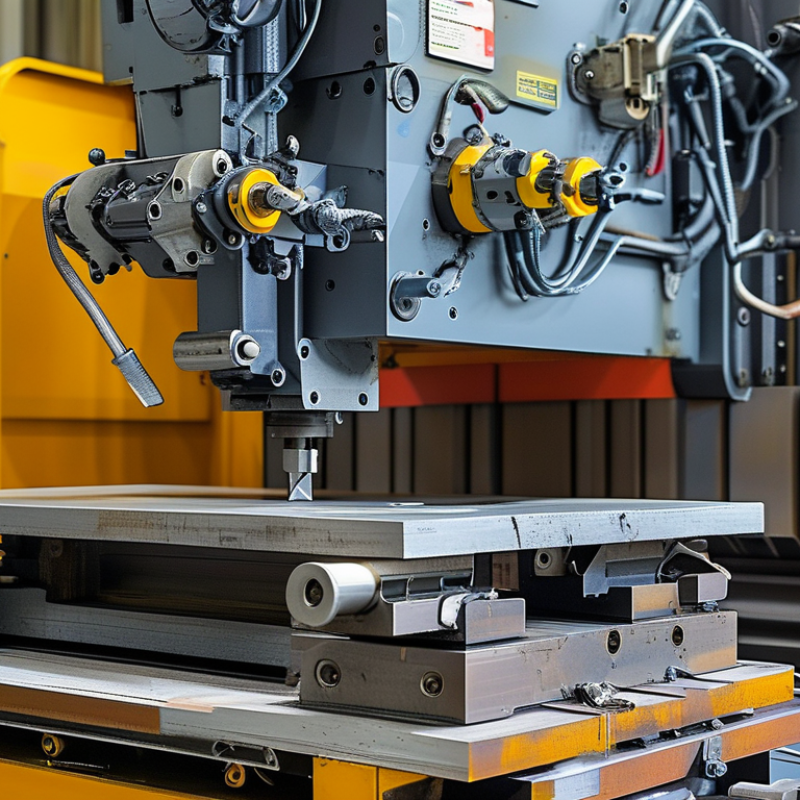
When selecting a mechanical press brake, several factors deserve attention. The machine's capacity is crucial. It must align with the thickness and type of materials you intend to work with. According to industry standards, the bending force typically should match or exceed the material's tensile strength by a factor of 1.5 to 2. Understanding these specifications can greatly affect production efficiency.
In addition to capacity, consider the frame design and size. A robust frame ensures stability and accuracy during operations. The right press brake should also offer adequate workspace for your projects. Reports indicate that many businesses overlook these dimensions, leading to costly operational delays and rework.
Tip: Always evaluate your production volume and material types to avoid under or over-investing.
Another important factor is the control system. Advanced CNC controls can enhance precision and reduce errors. Machines equipped with intuitive interfaces can speed up training time and reduce mistakes. A recent survey shows that businesses using updated controls see a 30% increase in productivity.
Tip: Research various control systems to find one that balances features and your operator's skill level.
Finally, don’t forget about maintenance and support. Evaluate potential downtime and the availability of parts and service. Many operators miss this step, which can lead to unforeseen challenges down the line.
Understanding Different Types of Mechanical Press Brakes
Mechanical press brakes are essential tools in metal fabrication. They come in various types, each designed for specific tasks. Understanding these types helps you choose the right one for your needs.
The most common types are mechanical, hydraulic, and servo-electric press brakes. Mechanical press brakes use a system of levers and links to transfer power, offering speed and efficiency. They are ideal for high-volume production runs. However, they might not provide the flexibility required for complex tasks.
In contrast, hydraulic press brakes are versatile and can handle thicker materials. They use hydraulic fluid to generate force, making them suitable for intricate bending tasks.
Servo-electric press brakes combine both electric and hydraulic technologies. They provide efficiency and precision while consuming less energy. This type is ideal for applications requiring consistent performance. However, they may require a higher initial investment. Each type has its pros and cons, reflecting the varying needs of manufacturers. It’s important to evaluate your specific requirements before making a decision.
Evaluating the Specifications and Features of Press Brakes
Choosing the right mechanical press brake involves careful evaluation of its specifications and features. Key specifications include bending capacity, which refers to the maximum force the machine can exert. According to recent industry reports, modern mechanical press brakes can range from 25 to 1500 tons, with many organizations opting for 80-200 tons for general use. This allows for flexibility in various sheet metal applications.
Another crucial feature is the machine's accuracy. Many press brakes can achieve a positioning accuracy of ±0.005 mm. This is essential, especially in industries requiring precise bends. Additionally, consider the ram stroke length. A longer stroke can accommodate thicker materials, leading to better operational versatility. However, a longer stroke may also adjust cycle times, which could affect productivity.
It's vital to assess the ease of operation. Some models feature advanced controls that simplify programming and execution. Yet, despite advances in technology, user interfaces can sometimes be unintuitive. Operator training is crucial for maximizing the machine’s capabilities. A well-trained staff can effectively minimize errors and ensure quality outputs, contributing to a more efficient manufacturing process. Whether investing in new or used machinery, keep an open mind about limitations and learn from existing user experiences.
Assessing Your Budget and Cost-Effectiveness
When selecting a mechanical press brake, your budget is crucial. A broader budget allows for more features and better durability. However, setting a strict financial limit may narrow your options, leading you to compromise vital aspects. Analyze your needed specifications closely to balance cost and functionality.
Tips: Consider maintenance costs. A cheaper press brake might have higher upkeep expenses. Factor in the availability of replacement parts too. Sometimes, investing more upfront can reduce long-term costs.
Evaluate the operation frequency as well. If you're producing parts daily, a more robust machine is advisable, even if it exceeds initial estimates. Regular usage may justify higher costs through increased efficiency. Reflect on potential production volume changes, as adjustments can result in significant savings.
Tips: Look for financing options or leasing, if outright purchase is a stretch. This can distribute costs over time and make better models more accessible. Always request demos or trials to ensure the machine meets your expectations before committing.
2026 How to Choose the Right Mechanical Press Brake for Your Needs?
| Feature |
Description |
Cost-Effectiveness |
Estimated Price Range |
| Bending Capacity |
The maximum weight of material that can be bent. |
Higher capacity may result in better productivity for larger projects. |
$15,000 - $40,000 |
| Press Speed |
The speed at which the press brake operates. |
Faster presses can improve workflow efficiency. |
$10,000 - $30,000 |
| CNC Control |
Computer Numerical Control for precision bending. |
Increased precision can reduce scrap and rework costs. |
$20,000 - $60,000 |
| Floor Space |
Space required for installation and operation. |
Adequate space can reduce overhead costs. |
N/A |
| Maintenance Needs |
How often and what type of maintenance is required. |
Lower maintenance can save money and time. |
N/A |
Importance of Manufacturer Reputation and Support Services
Choosing the right mechanical press brake requires careful consideration of the manufacturer’s reputation and support services. A reliable manufacturer can make a significant difference in your operations. Surveys indicate that 75% of manufacturers prioritize after-sales support when making their purchasing decisions. Solid support services enhance productivity and minimize downtime.
Tips: Look for manufacturers that offer comprehensive service agreements. These should include maintenance, training, and troubleshooting support. A manufacturer with a track record of reliable service will help you avoid pitfalls associated with unexpected machine failures.
Evaluating manufacturer reputation involves examining industry reviews and feedback. Resources like the Fabricators and Manufacturers Association provide insights into customer satisfaction. Trustworthy manufacturers often have consistent positive reviews over the years. This helps ensure that you receive ongoing support when needed. Some companies may promise more than they deliver. Be cautious and do your homework to find the right partner.
Tips: Participate in industry forums. Engage with other users to gain firsthand experiences. Personal testimonials can reveal which manufacturers genuinely provide the support that is promised.
2026 How to Choose the Right Mechanical Press Brake for Your Needs?
The chart above illustrates the customer satisfaction ratings of various mechanical press brake manufacturers. Choosing a reputable manufacturer with strong support services is crucial for ensuring reliable performance and long-term satisfaction.