How to Choose the Best Stand Up Pouch for Your Product Needs?
The choice of packaging significantly impacts product success in today's competitive market. Stand Up Pouches have emerged as a leading solution for brands, driven by their versatility and aesthetic appeal. According to a recent market analysis, the global Stand Up Pouch market is expected to reach $3.4 billion by 2027, growing at a CAGR of 6.7%. This growth reflects their increasing popularity among both consumers and manufacturers.
When selecting the right Stand Up Pouch, it is essential to consider various factors, such as material, size, and closure mechanisms. Brands must align their packaging with their target audience and product type. Reports indicate that 71% of consumers agree that packaging influences their buying decisions. However, this also raises critical challenges. Many companies struggle to balance cost-effectiveness and sustainability, which can lead to compromises in quality.
The quest for the perfect Stand Up Pouch often requires experimentation and adjustment. What works for one product may not suit another. Analyze feedback and performance metrics continuously to refine choices. This iterative approach can significantly enhance product presentation and functionality, ultimately leading to greater market success.
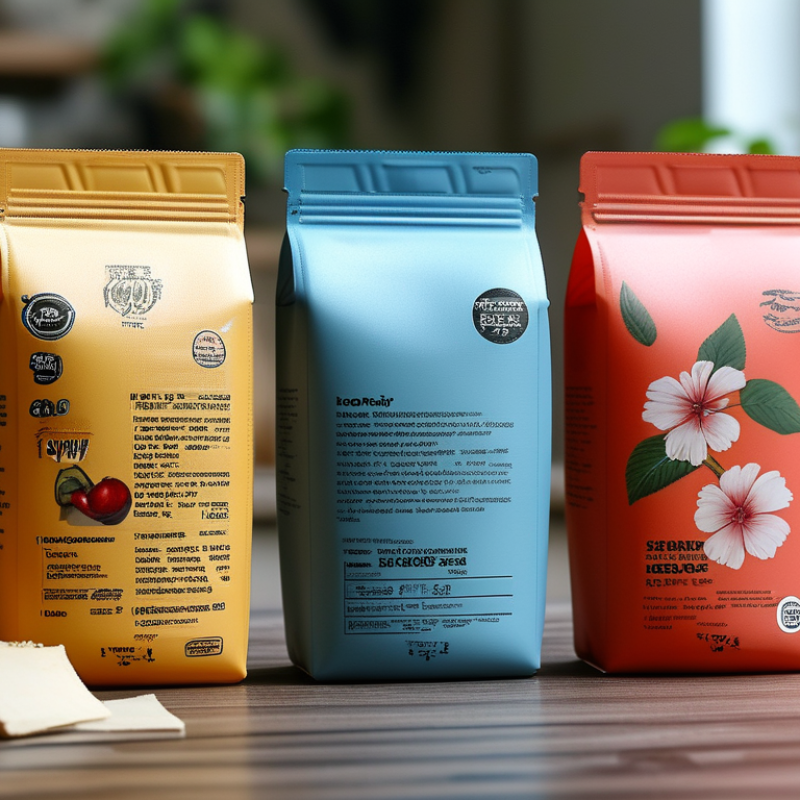
Understanding Stand Up Pouches: What They Are and Their Benefits
Stand up pouches have become a popular packaging choice across various industries. These flexible bags are designed to stand upright, making them ideal for displaying products on shelves. They offer many benefits, including durability, lightweight design, and convenience. A well-designed stand up pouch can attract consumers while protecting the product inside.
One notable benefit of stand up pouches is their ability to preserve freshness. Many pouches come with resealable options, which keep products safe after opening. This feature is especially beneficial for food items. Moreover, the materials used can be barrier films, which protect against moisture and light. Consider your product type when selecting the right material for your pouch.
Tips: Think about the size and shape. The right dimensions can enhance visibility. It's essential to choose a design that complements your branding. Make sure the closure type aligns with user convenience. Lastly, always test samples before making a bulk order. The pouch should reflect your product's quality. Don't overlook these details; they matter.
Stand Up Pouch Material Preferences
This chart illustrates the material preferences for stand up pouches among various users. It showcases the percentage of preference for different materials used in stand up pouches, highlighting the popularity of plastic, followed by paper and aluminum. This data can assist businesses in making informed decisions about packaging options based on consumer interests.
Identifying Your Product Requirements for Packaging Solutions
When selecting a stand-up pouch for your packaging needs, understanding your product is crucial. Consider the nature of your item. Is it dry or wet? Is it sensitive to light, air, or humidity? Each of these factors will influence the material choice of your pouch. For instance, a coffee product needs a barrier pouch to keep it fresh, while a powdered product might require a more flexible film.
You must also think about size and shape. The dimensions of your product dictate the pouch size. A poorly sized pouch can lead to wasted material or leakage. For some products, a clear window might enhance visibility and attract consumers. On the other hand, a unique shape can differentiate your product on the shelf. Remember, appearances often matter; they can sway a customer’s decision.
Another area to reflect on is durability. Will your product be transported or displayed for long periods? Consider how the pouch withstands potential wear and tear. A pouch that tears easily won't protect your product. Test samples if possible. Review the feedback and make adjustments. It's a process of trial and error, shaping your box until it fits just right.
Evaluating Materials and Durability for Stand Up Pouches
Choosing the right materials for stand up pouches is pivotal for product integrity. The durability of the pouch can affect shelf life and consumer perception. According to a report by Smithers Pira, flexible packaging, including pouches, is expected to grow at a CAGR of 4.5% annually. This underscores the increasing reliance on these packaging solutions.
Materials like polyethylene (PE) and polypropylene (PP) dominate the market due to their barrier properties. A study revealed that stand up pouches made with multi-layer materials can offer superior protection against moisture and UV rays. A reputable analysis shows that snacks packaged in such pouches have a 30% longer shelf life compared to traditional packaging. However, many manufacturers overlook the environmental impact. Choosing recyclable materials can often compromise durability, leading to a need for reflection.
Moreover, the thickness of the pouch material can greatly influence performance. Thinner pouches can reduce material costs but may not withstand handling and transport stresses. A durability test revealed that 60% of lightweight pouches failed under pressure during shipping. In conclusion, brands must balance cost and quality when selecting materials for stand up pouches, recognizing that durability is often a reflection of overall product value.
Considerations for Size and Capacity in Pouch Selection
When selecting a stand-up pouch, size and capacity are critical factors. The pouch must suit your product's volume and dimensions. Consider the contents. Are you packaging snacks, liquids, or powders? Each type has different space requirements. Using a pouch that is too small can damage the product. A too-large pouch can waste material and shelf space.
Look beyond just fitting your product. Think about consumer convenience. A pouch that is too large might be less appealing to buyers. They may prefer smaller, more manageable packages. This choice can impact sales and customer satisfaction.
Additionally, consider storage and logistics. Larger pouches may occupy more shelf space. However, if they do not match your inventory turnover, they could lead to excess stock. Reflect on your specific needs, and make adjustments accordingly. Balancing size and capacity can be challenging but is necessary for effective packaging.
Analyzing Design and Branding Options for Stand Up Pouches
When selecting the right stand up pouch, design and branding play a crucial role. As reported by Smithers Pira, the flexible packaging market is projected to reach $500 billion by 2024. This illustrates the growing emphasis on packaging as a branding tool. A stand up pouch can enhance product visibility and attract consumers. Its unique design allows for high-quality graphics, which can convey brand values effectively.
Color psychology is vital in packaging design. Studies show that color influences 85% of purchasing decisions. Understanding your target market can help in choosing colors that resonate with them. For instance, green often signifies health and eco-friendliness. Meanwhile, bold colors can suggest excitement and novelty.
Branding consistency is essential. Logos and typography should reflect the brand’s personality. The material of the pouch also matters. Consumers are increasingly aware of sustainability. A pouch made from recyclable or biodegradable materials can appeal to environmentally conscious shoppers. However, ensuring that the design doesn’t compromise the pouch’s functionality is essential. Striking a balance between appeal and practicality requires thoughtful consideration.
How to Choose the Best Stand Up Pouch for Your Product Needs? - Analyzing Design and Branding Options for Stand Up Pouches
| Feature | Option A | Option B | Option C |
| Material | Kraft Paper | Plastic (PET) | Biodegradable Film |
| Closure Type | Zipper | Resealable Seal | Heat Seal |
| Size Options | 250g | 500g | 1kg |
| Printing Options | Digital Printing | Flexographic Printing | Rotogravure Printing |
| Barrier Properties | Moisture Barrier | Oxygen Barrier | UV Protection |