How to Choose the Best Industrial Press for Your Needs?
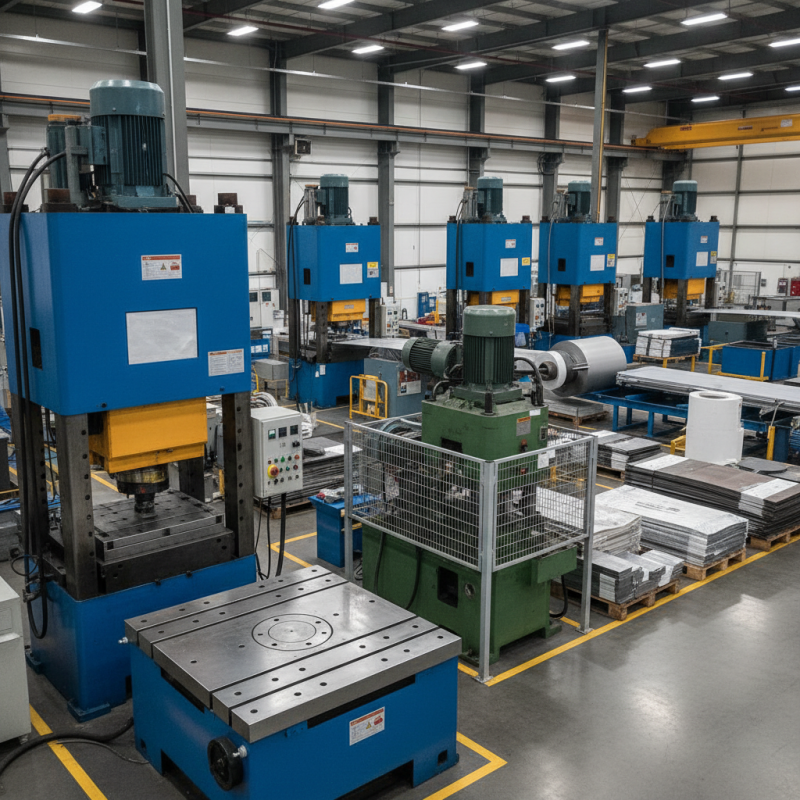
Choosing the right industrial press can be challenging. Each press serves different functions, and selecting one depends on your specific needs. You might want to consider the material you will be working with, as various presses are designed for metal, plastic, or composites.
Think about the production volume as well. Some presses are more suited for high-output operations, while others work best for small batches. You will also need to evaluate safety features and ease of use. An effective industrial press not only meets production needs but ensures the safety of operators.
Reflect on your workspace limitations, too. Size and energy requirements can be critical. What works for one shop may be inadequate for another. Balancing these factors can lead to the best decision. Choosing an industrial press is not just a purchase; it’s a significant investment that requires thoughtful consideration.
Understanding Different Types of Industrial Presses and Their Applications
When selecting an industrial press, understanding its types and applications is crucial.
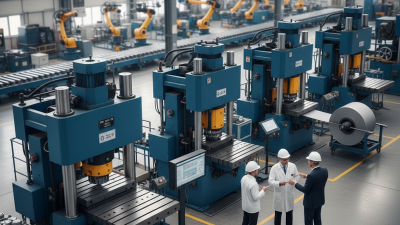
Hydraulic presses are powerful. They are ideal for heavy-duty tasks. Fabrication and metal forming often rely on them.
Mechanical presses, however, excel in speed. They work well for medium-duty production.
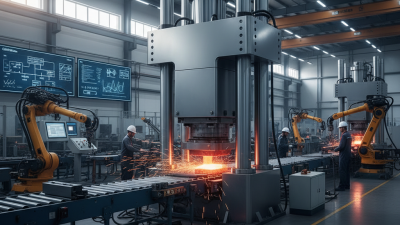
They help in stamping and forging processes, making them a common choice.
Consider your specific needs. Evaluate the materials you'll work with. Different presses handle various materials differently.
It's also crucial to assess your production volume. A lower volume might suit a smaller press.
Higher demands require larger capacity. This can prevent unexpected downtime.
Tips: Always test the press before purchasing. This helps you gauge its performance.
Review user feedback to see common issues. Remember, maintenance is key for longevity.
Investing in a reliable maintenance plan can save time and resources in the long run.
Key Factors to Consider When Choosing an Industrial Press
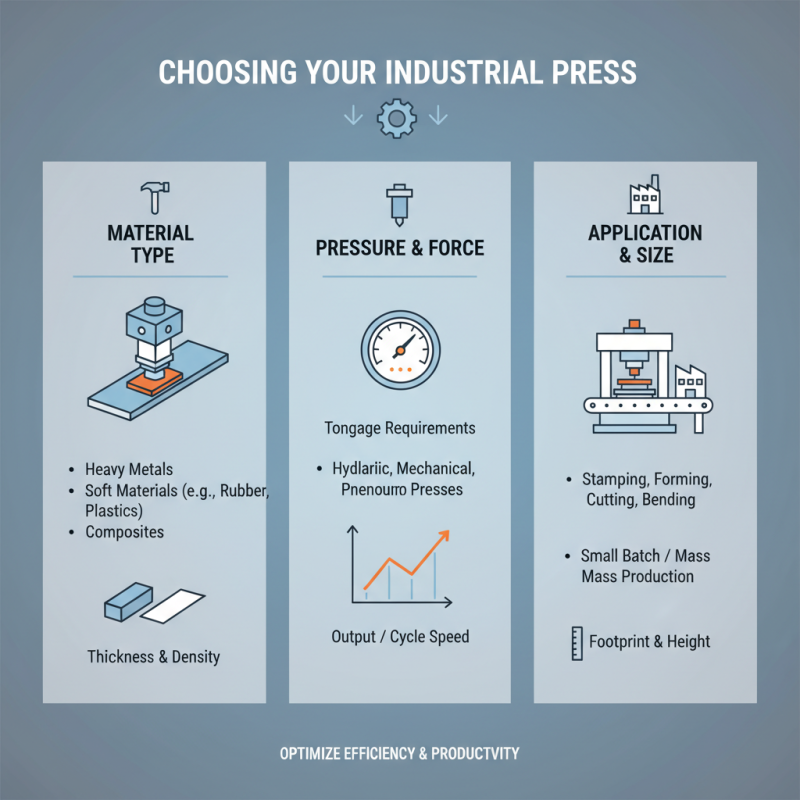
Choosing the right industrial press is crucial for efficiency. Several key factors should guide your decision. Start by assessing the type of materials you will work with. Different presses are designed for specific tasks. Some handle heavy metals, while others are better for softer materials. Think about the thickness and density too.
Next, consider the press's capacity. The force applied is essential for achieving desired results. You may need a high-capacity press for certain projects. However, higher capacities can lead to increased costs, which may not be justifiable for smaller operations. Look for a balance between power and affordability.
Another factor is the workspace. Ensure you have enough room for the equipment and safe operation. Sometimes, larger presses can dominate a workspace and make it unusable. Also, examine ease of use. Complicated machinery can lead to errors during operation. Simplifying your workflow can ultimately save time and resources, but not every design will do this well. Evaluate user reviews and consider the learning curve required to operate the press efficiently.
Evaluating Press Capacity and Specifications for Your Projects
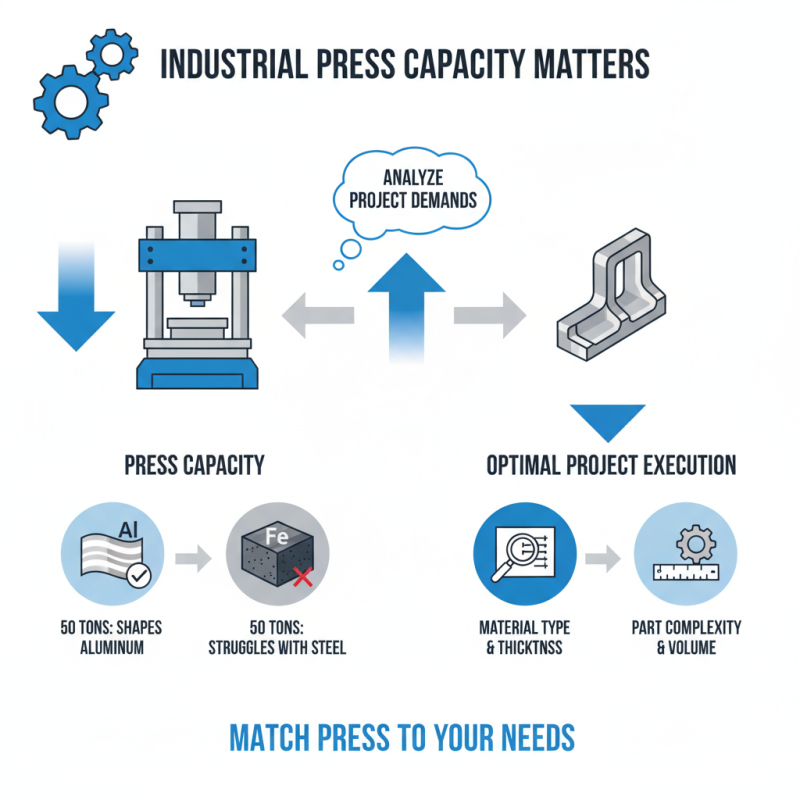
When selecting an industrial press, understanding press capacity is vital. This capability often determines how well your projects are executed. For instance, a press with a capacity of 50 tons might successfully shape materials like aluminum but struggle with denser metals. Analyzing project demands can help align press specifications with your needs.
Evaluating the specifications involves assessing stroke length, throat depth, and tonnage. A report from the Manufacturing Institute indicates that precision in specifications can increase production efficiency by up to 30%. Thus, knowing your project requirements is crucial. If a press's stroke is too short, it may not accommodate larger materials, leading to setbacks.
Tip: Always check the weight tolerance of the press. Materials heavier than the press's limit can result in damage or safety hazards.
Choosing a press also requires consideration of power sources. Hydraulic and mechanical presses serve different purposes. Assessing energy efficiency could lead to cost savings. A misaligned power source may not only waste energy but also slow down production. Consider future projects, too; flexibility in capacity can be a game-changer.
Assessing Brand Reputation and Customer Support in Industrial Equipment
When selecting an industrial press, brand reputation and customer support play crucial roles. According to a recent industry survey, over 70% of buyers prioritize brands with a strong reputation in quality and reliability. This underscores the importance of researching company history and user reviews. Reliable equipment can minimize downtime, which is critical in production environments.
Customer support is another vital consideration. A report from an equipment manufacturing association indicates that businesses often face issues with machinery setup and maintenance. About 60% of users find effective customer support essential for resolving these issues. Quick access to technical assistance can reduce operational disruptions significantly. A well-known fact is that businesses with responsive support tend to foster higher customer loyalty.
However, not all brands offer the same level of service. Some companies may promise support but deliver poorly. Potential buyers should seek testimonials and case studies to gauge true support quality. Reflecting on these aspects can avoid frustrating experiences in the future. Therefore, thorough investigation is crucial in making an informed choice.
Budgeting: Cost-Effective Options for Industrial Presses Without Compromising Quality
When budgeting for an industrial press, it’s crucial to balance cost and quality. Investing in a press is significant, and there are budget-friendly options available. However, the challenge lies in selecting a model that meets your operational needs without cutting corners on quality. Look for presses made from durable materials, as they provide longevity and better performance.
Consider the types of projects you will undertake. If your work involves heavy-duty applications, a low-cost option may not hold up over time. Checking user reviews can provide insights into the reliability of various models. Also, think about maintenance costs. A cheaper initial purchase might lead to higher repair expenses later. Keep an eye on the specifications and ensure they align with what you need.
It's easy to get swayed by attractive pricing. Yet, it's important to reflect on what features you truly need. Sometimes, simpler designs may serve your purposes well. Don't overlook the added value of warranties or service plans. They can save you money in the long run by providing protection against unexpected breakdowns. Pay attention to these details for a more informed decision.