How to Choose the Best Circulating Pump for Your Needs?
Choosing the right Circulating Pump can significantly impact your system's efficiency and performance. A well-selected circulating pump ensures optimal water flow and heat distribution. With numerous options available, it is crucial to understand which features align with your specific needs.
Consider factors like pump size, power, and compatibility. These elements influence the pump's effectiveness in your application. Each circulating pump possesses unique characteristics, which may suit different scenarios. Reflect on your requirements before making a decision. An informed choice can optimize your energy use, reduce costs, and enhance system reliability.
Engaging with professionals can also provide valuable insights. Their expertise ensures you choose a reliable circulating pump. However, personal research and careful assessment remain essential. It is easy to overlook specific needs, which can lead to dissatisfaction. Take time to explore options, and don't rush your decision-making process. A thoughtful approach will pay off in the long run.
Understanding the Role of Circulating Pumps in Various Applications
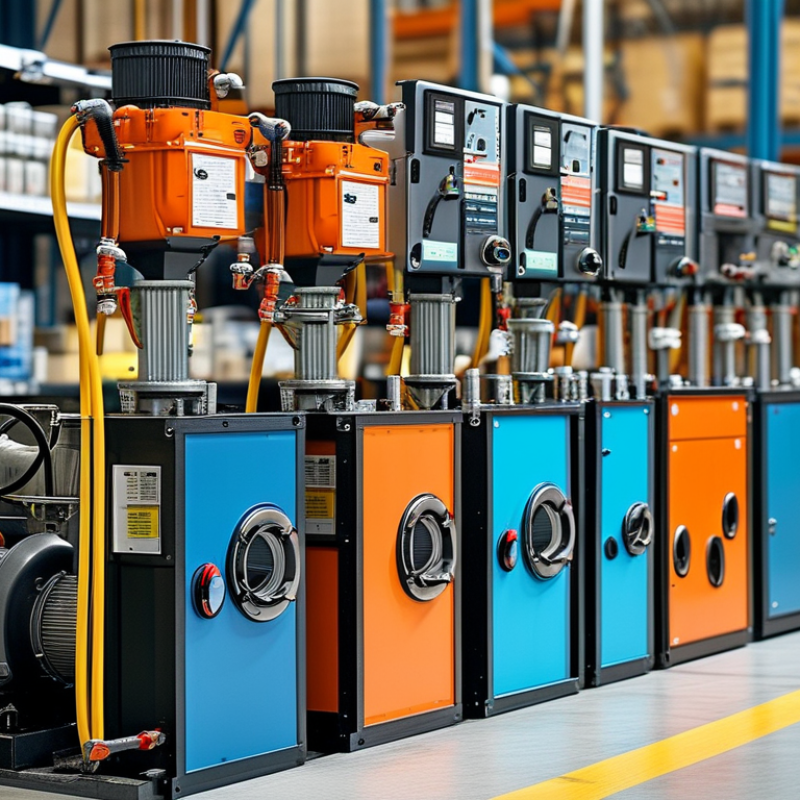
Circulating pumps play a vital role in various applications, from heating systems to aquatic environments. These pumps ensure the consistent flow of fluids, which is crucial for maintaining temperature and quality. In residential heating systems, they distribute hot water efficiently. In industrial settings, they manage cooling processes by circulating fluids through machinery.
Understanding the specific needs of your application is key. For instance, the required flow rate and pressure differ between a home heating setup and a commercial cooling system. Choosing the right pump isn't always straightforward. Evaluating your system’s capacity and the type of fluid are critical steps. Overlooking these elements can lead to inefficiency or even system failure.
Additionally, different materials may be needed based on the fluid's characteristics. Corrosive liquids may require specialized pumps to prevent degradation over time. Installation and maintenance also need careful consideration. Even small mistakes during setup can impact performance. Always consult with experts or detailed guides before making your selection. There’s a learning curve involved, and no choice is perfect.
How to Choose the Best Circulating Pump for Your Needs?
| Application | Recommended Pump Type | Flow Rate (GPM) | Head Pressure (Feet) | Energy Efficiency Rating |
| Heating Systems | Single Stage | 10-20 | 20-30 | A+ |
| Cooling Systems | Multi-Stage | 15-25 | 15-25 | A++ |
| Domestic Hot Water | Boiler Circulators | 5-15 | 10-20 | A |
| Aquarium Systems | Submersible | 5-10 | 5-10 | B |
| Industrial Applications | High Pressure | 50-100 | 30-60 | B+ |
Key Factors to Consider When Selecting a Circulating Pump
When selecting a circulating pump, various key factors demand attention. System compatibility is crucial. It’s vital to ensure the pump fits the specific design requirements of your heating or cooling system. According to industry standards, a mismatch can lead to inefficiencies or system failures. Thus, consulting with a professional can prove beneficial in assessing the compatibility of pump types and models.
Flow rate is another significant aspect. This measurement indicates how efficiently water circulates through the system. A circulating pump should ideally provide a flow rate that matches your system's needs. The Hydraulic Institute recommends that flow rates be evaluated based on system size and layout. An insufficient flow rate not only diminishes performance but also escalates energy costs. Conversely, too high of a flow rate can cause excessive noise and wear on the pump.
Additionally, energy efficiency plays a critical role in pump selection. Data shows that energy-efficient pumps can reduce operational costs by up to 30%. Examining the pump's power consumption relative to its performance can provide insight into its long-term viability. Remember, a more expensive pump may result in savings overall. Balancing initial costs with potential savings is often a complex but necessary consideration.
Types of Circulating Pumps and Their Specific Uses
Choosing the right circulating pump is crucial. Various types serve specific needs. Understanding these types helps ensure optimal performance.
There are three main categories of circulating pumps: centrifugal, positive displacement, and submersible pumps. Centrifugal pumps are popular for HVAC systems due to their efficiency. According to the U.S. Department of Energy, these pumps can improve energy savings by up to 30% when properly sized. Positive displacement pumps are ideal for hydraulic applications. They provide consistent flow regardless of pressure, making them critical in industrial settings.
Submersible pumps, on the other hand, are designed for applications requiring fluid to be moved from below ground level. They are commonly used in residential water supply systems. The Global Pump Market Report indicates that the demand for submersible pumps is projected to increase significantly, driven by urbanization and water scarcity issues. Though each type has advantages, it's essential to consider specific requirements carefully. Ignoring these nuances may lead to inefficiencies.
Analyzing Efficiency Ratings and Performance Metrics
When choosing a circulating pump, it's crucial to focus on efficiency ratings and performance metrics. According to recent data from the Pump Manufacturers Association, energy efficiency can significantly reduce operational costs. For instance, high-efficiency pumps can save up to 40% on energy consumption compared to standard models. Understanding these metrics helps ensure you select a pump that meets your specific needs, such as flow rate and head pressure.
Consider the pump's application. Some models feature advanced technologies, which can improve overall system performance. Pay attention to the Maximum Flow Rate, measured in gallons per minute (GPM). A higher GPM generally means faster water circulation, which is essential in systems like heating and cooling. However, it's essential to match this to your setup. Oversizing can lead to inefficiencies.
Tips: Always review the pump curves provided by manufacturers. They display the relationship between flow and head. Don’t overlook noise levels, especially in residential settings. A pump that operates quietly enhances comfort. Remember, finding a balance between efficiency and performance sometimes requires trade-offs. A comprehensive analysis can lead to better long-term results and improved system reliability.
Efficiency Ratings of Different Circulating Pumps
Maintenance Tips for Optimizing Circulating Pump Longevity
Proper maintenance of circulating pumps can significantly extend their lifespan. Regular inspections are crucial. Look for any signs of wear or leaks. According to the Hydraulic Institute, regular preventive maintenance can increase pump efficiency by up to 20%. Inadequate maintenance often leads to costly repairs and unplanned downtimes.
Scheduled maintenance should include checking the seals and bearings. If these components fail, the pump can overheat or become inefficient. Using appropriate lubricants is essential. However, many users neglect this step. Surprisingly, 70% of pump failures are attributed to improper lubrication. Monitoring vibration levels can also help. Excessive vibrations can indicate underlying issues like misalignment.
Cleaning the pump regularly is often overlooked. Debris buildup can reduce performance. According to a report from the American Society of Mechanical Engineers, a clean pump operates up to 15% more efficiently than a dirty one. Not all users are diligent in this area. Often, they assume that since the pump is running, it’s functioning well. Regular data logging on pump performance metrics can help identify trends and issues before they escalate. Regular checks can catch problems early and save significant costs in repairs.