How to Choose the Right Aluminum Composite Panel Manufacturers?
Choosing the right aluminum composite panel manufacturers is crucial for your project's success. It can impact the quality, aesthetics, and longevity of your installations. With numerous manufacturers in the market, making the right choice can feel overwhelming.
Start by assessing the experience of potential manufacturers. Check their portfolio and previous projects. How many years have they been in the industry? What types of projects have they completed? Look for reviews and testimonials from past clients. This can provide insight into their reliability and customer service.
Price is another important consideration, but it shouldn’t be the sole factor. A low price might indicate inferior quality materials. Ensure you understand the specifications of the panels offered. Not all aluminum composite panels are created equal. Some might not meet safety standards or durability expectations. Reflect on these details to find a manufacturer that aligns with your needs effectively.
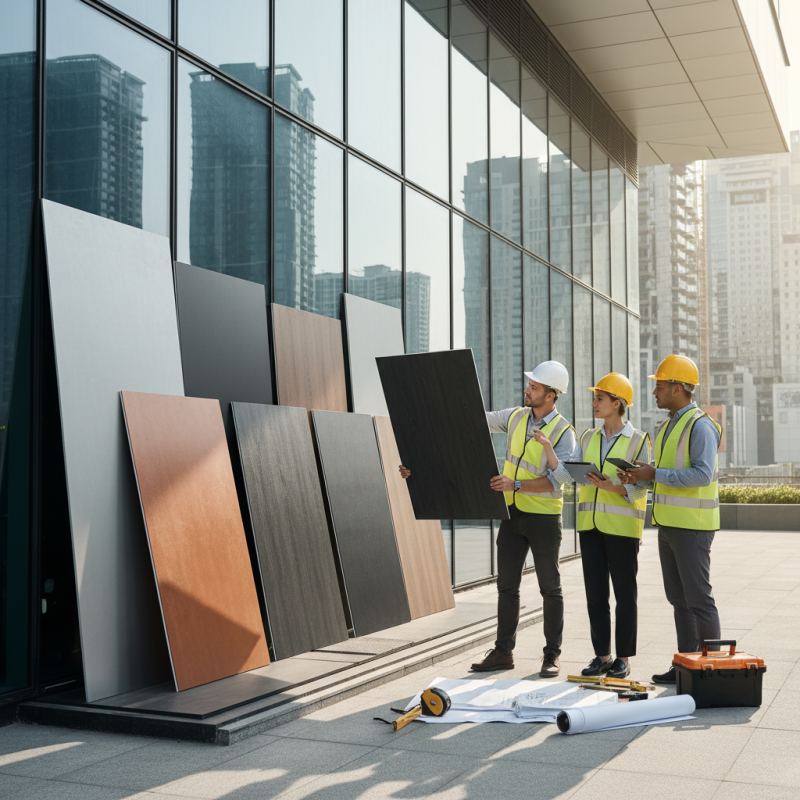
Identifying Key Factors in Selecting Aluminum Composite Panel Manufacturers
Choosing the right aluminum composite panel manufacturer requires careful evaluation of several key factors. Quality is paramount; look for panels that meet industry standards. Not all manufacturers offer the same level of durability or finish. Some might focus on aesthetics over performance. This can lead to dissatisfaction in the long run.
Another factor is customer service. Find a manufacturer that listens to your needs. Communication is vital. A company that is slow to respond might not be reliable. You don’t want delays in your project due to lack of support. Also, consider their experience in the industry. More years usually mean better insights. Yet, don't overlook smaller companies; they can offer unique solutions.
Lastly, assess their pricing. While it’s essential to stay within budget, low prices can be misleading. Sometimes, quality suffers in cheaper products. Always ask about warranties or guarantees offered. This shows confidence in their product. Reflect on all these aspects before making a choice. The right decision can significantly impact your project’s success.
Evaluating Manufacturer Certifications and Industry Standards
When selecting aluminum composite panel manufacturers,certifications play a crucial role. A qualified manufacturer should meet relevant industry standards. Look for certifications like ASTM, EN, or ISO. These signify adherence to high-quality production and safety protocols. However, certifications alone don't guarantee excellence. Always check the validity of these claims.
Tips: Verify if the manufacturer regularly updates their certifications. This shows commitment to quality. An expired certification might indicate negligence.
Additionally, consider the manufacturer's reputation. Online reviews and testimonials can offer insights into their reliability. While positive feedback is a good sign, pay attention to any recurring negative comments. They may reveal significant issues. Reflect on this aspect during your evaluation.
Tips: Engage in direct communication with potential manufacturers. Ask specific questions regarding their certifications. Clear answers can help you gauge their integrity and transparency.
Assessing Product Quality and Material Specifications
When choosing aluminum composite panel manufacturers, assessing product quality is crucial. The first thing to look for is the material specifications. High-quality panels usually consist of a robust core sandwiched between two aluminum layers. This design ensures durability and resistance to weather conditions. Check if the core material is non-combustible, as this can significantly affect safety.
It’s also important to pay attention to the finishes offered. Panels come in various coatings and colors, impacting both aesthetics and longevity. Look for manufacturers that provide a warranty on their finishes. A good finish means the color will not fade easily. However, not every manufacturer meets these standards. Transparency about material sourcing is another indicator of quality. Some may claim to use high-grade materials but fall short in reality.
Lastly, consider feedback from previous customers. Reviews can highlight inconsistencies in quality and service. Gathering insights from different sources might reveal patterns of excellence or concern. If a manufacturer has multiple complaints about product failure, it’s worth probing deeper. Quality checks can be inconsistent, even among reputable names. Make sure to review their testing processes for compliance with international standards.
Product Quality Assessment of Aluminum Composite Panels
Reviewing Customer Feedback and Case Studies
When selecting aluminum composite panel manufacturers, customer feedback plays a crucial role. A recent survey revealed that 70% of buyers rely on reviews before making decisions. Many feedback sources exist, from online reviews to professional recommendations. This data emphasizes the importance of checking what others say about a manufacturer.
Case studies can offer tangible insights into a manufacturer's capabilities. These reports often detail past projects, showcasing both successes and challenges. For instance, one study indicated that a manufacturer successfully delivered a project despite initial material delays. This illustrates their flexibility and commitment to client needs.
However, it’s essential to recognize that not all feedback is positive. Some reviews highlight issues like subpar customer service or delivery delays. Customers noted these concerns explicitly. Manufacturers should take this feedback seriously. Addressing such issues can enhance trust and improve their reputations. Evaluating manufacturers through reviews and case studies ultimately provides clarity in selecting the right partner.
Comparing Pricing and Warranty Options Among Manufacturers
When selecting aluminum composite panel manufacturers, pricing and warranty options are pivotal. Prices can vary significantly. Some manufacturers offer lower prices, but this may sacrifice quality. It's often tempting to choose the cheapest option. However, consider the long-term implications.
Warranties can indicate the durability of a product. A strong warranty reflects a manufacturer's confidence in their materials. Pay close attention to what the warranty covers. Some may only cover defects in workmanship, while others include damage from outdoor elements. Understand the specifics.
Sometimes, manufacturers might not disclose all their costs upfront. Hidden fees can inflate your total expenses. Always ask for a detailed breakdown. Communication is crucial. A manufacturer’s responsiveness can hint at their reliability. Reflect on these aspects before making a decision. Your choice can impact your project for years to come.