How to Choose a Checkweigher Online in 2026
Choosing a Checkweigher Online in 2026 is not just a price comparison. A machine must match the product, line speed, package range, and inspection conditions. OIML’s R 51 recommendations provide a technical framework for evaluating automatic catchweighers, including accuracy classes and performance requirements. PMMI’s State of the Industry reporting also highlights automation and workforce pressures across packaging operations. These reports point to a practical reality: buyers need equipment that fits both today’s production and tomorrow’s changeovers.
Lord Kelvin, a measurement scientist, wrote, “When you can measure what you are speaking about, and express it in numbers, you know something about it.” For checkweigher buyers, that means asking suppliers for test results using your actual product, not relying on a brochure’s best-case figures. Compare target weight, permitted variation, reject handling, belt dimensions, washdown needs, and data connections. Ask how accuracy changes at your expected line speed. Small details matter. A soft pouch may behave differently from a rigid carton.
Online research makes comparison faster, but it cannot replace a production trial. Request a sample test and a written specification. Check service coverage, calibration support, and spare-part availability before ordering. The cheapest option may look convincing. It may also become an expensive mismatch. This choice deserves a second look.
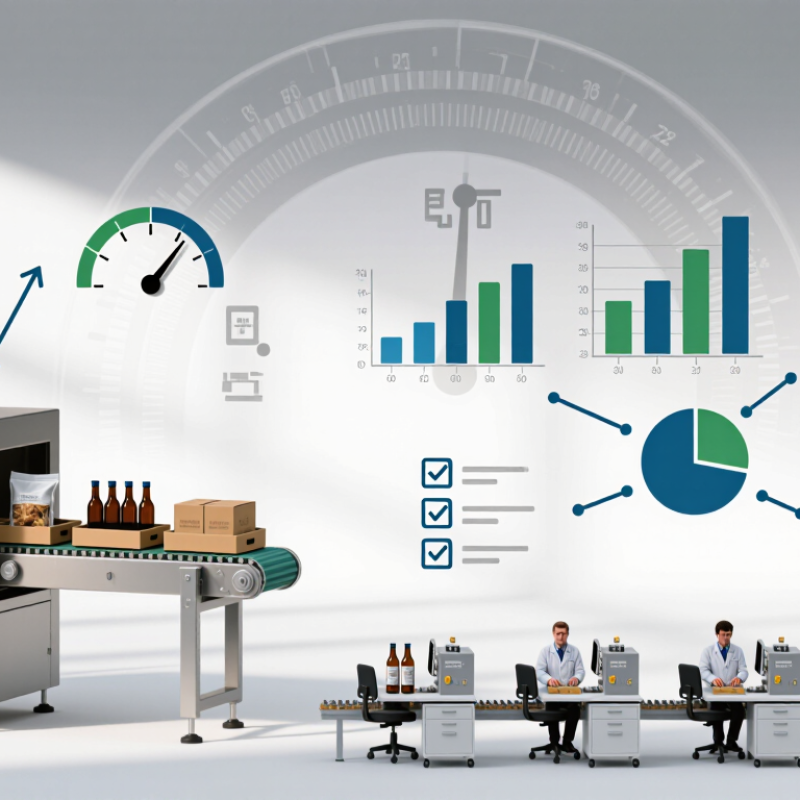
Define Product Specifications and Regulatory Requirements
Before comparing online checkweighers, write down the product’s actual operating range. Record minimum and maximum pack weight, dimensions, package material, line speed, and expected temperature or washdown exposure. A 500 g pouch on a fast conveyor behaves differently from a rigid 5 kg carton. Small details matter. If the pouch shifts or traps air, test real production samples—not just neat samples from the office.
Match accuracy needs to the rules in each sales market. OIML R 51-1:2006 defines X and Y accuracy classes for automatic catchweighers; permissible errors depend on load and class. That is not a single universal tolerance. For context, a 1 g display increment equals 0.2% of a 500 g nominal pack, but display resolution alone does not prove weighing accuracy. Ask suppliers for test results across your target weight range and line speed, including repeatability and reject performance.
Check how the equipment will support required records and inspection routines. In the United States, net-quantity labeling rules appear in 21 CFR 101.105; other markets may apply different metrology requirements. Specify the destination markets, package format, product-contact conditions, and whether the checkweigher must connect to production records. Then request a documented acceptance test using your own packs. Online specifications can look precise. Real lines are messier.
Compare Checkweigher Types, Speed, and Accuracy
How to Choose a Checkweigher Online in 2026
Compare Checkweigher Types, Speed, and Accuracy
Start with the product and the line, not the headline speed. An in-motion checkweigher suits continuous conveyors; a static scale fits slower, manual checks. Combination systems can add metal detection or labeling, but extra functions need space and may complicate cleaning. Measure the gap between packs, conveyor height, and the distance available before rejecting a package. Small details matter.
Speed changes accuracy. A listing that promises 120 packs per minute means two packages pass each second, but your results depend on package spacing, vibration, and product movement. Ask for a test using your actual pack size and line speed. Request the pass-rate data and the test conditions, not just a best-case figure. OIML R 51-1:2016 defines X and Y accuracy classes for automatic catchweighers; the appropriate class depends on the application. A single accuracy number without class, load, and operating conditions is hard to compare.
Check how the supplier reports repeatability and allowable error across your real weight range. Ask whether rejected packs can be traced to recorded measurements, and confirm the system’s stated throughput under production conditions. One awkward truth: a faster model may be the wrong choice if your packages wobble or arrive unevenly. Online specifications rarely show that. Request a documented trial and review the settings before ordering.
Review Online Listings and Verify Supplier Credentials
A checkweigher listing should explain more than its maximum weight. Look for the product’s weighing range, scale division, conveyor speed, and the size of items it can handle. Check whether the machine suits your product flow, including wet, dusty, or temperature-sensitive areas. Clear photos of the conveyor, display, and reject mechanism help you assess the setup. Vague specifications deserve follow-up. A polished page is not proof of performance.
Verify the supplier behind the listing. Confirm its registered business name, physical address, and working service contacts. Ask for calibration records, a sample inspection report, and details about who performs installation and routine support. Check whether the stated accuracy applies to your product, speed, and operating conditions—not just a laboratory test. Request customer references you can contact independently. Small details matter.
Ask the supplier to confirm key specifications in writing before comparing quotations. A short video of a test run can reveal how products are spaced and rejected, though it cannot replace an on-site trial. I would also ask about spare-part lead times and warranty exclusions. It is easy to overvalue a low price. I have to remind myself that a missing service plan may cost more later. A careful paper trail makes online claims easier to judge.
Check System Compatibility, Calibration, and Support
When comparing online checkweighers, start with the production line they must join, not the catalog’s maximum speed. Measure belt width, conveyor height, floor space, and the gap between packages. Confirm that the system can weigh your lightest and heaviest products at your actual line rate. Ask how it performs with irregular packages, vibration, or damp conditions; a clean demonstration may not reflect a busy shift. Check the reject device, too. Can it remove an out-of-range pack without stopping the line? Can the checkweigher send weight data to your existing controls in a usable format? Small details matter.
Calibration needs a clear, workable routine. Ask what test weights are required, how results are recorded, and whether staff can verify performance without disrupting production. The right interval depends on use and conditions, so be wary of one-size-fits-all promises. It is easy to focus on accuracy claims and overlook who helps when readings drift. Ask about operator training, remote troubleshooting, response times, and replacement-part availability. Get those details in writing. Also check whether support covers your site’s operating hours. A polished product page can’t answer every practical question, and that gap deserves attention before purchase.
How to Choose a Checkweigher Online in 2026
Compare system compatibility, weighing performance, calibration, support, and data connectivity before requesting a quote.
How to use this chart: These are suggested evaluation weights, not market statistics. Adjust them to match your product, line conditions, compliance needs, and service requirements. Confirm operating speed and weighing performance with the supplier using your actual products and line setup.
Compare Total Costs and Confirm the Purchase
A low online price can hide costs that appear after delivery. Compare the full installed cost, not just the machine price. Ask for separate figures for freight, installation, conveyor changes, reject equipment, operator training, and commissioning. Small details matter. A checkweigher may need a longer belt or a guarded reject bin to fit your line.
Estimate ongoing expenses over several years. Include routine checks, replacement belts, service visits, spare parts, and any software or support fees. Then compare these costs across suppliers using the same production assumptions. For example, ask each supplier to quote against your package sizes, target line speed, and expected operating hours. A spreadsheet helps, though estimates are only as good as the assumptions behind them. It is easy to overlook downtime.
Before paying, confirm the written specification: product range, package dimensions, weighing performance, environmental conditions, and reject method. Ask whether testing can use your actual products and packaging. Agree on measurable acceptance criteria, delivery timing, installation responsibilities, warranty coverage, and response times for service. Read the final quote line by line. If a cost or performance claim is vague, request clarification in writing before approving the order.
How to Choose a Checkweigher Online in 2026 - Compare Total Costs and Confirm the Purchase
Illustrative 2026 budget comparison for online purchasing. All costs are planning estimates in USD, not supplier quotations. | Configuration | Indicative line rate* | Indicative equipment price | Installation + training | Annual service + energy | Estimated 5-year total cost** | Best fit / purchase checks |
| Basic belt checkweigher | Up to about 100 packs/min | $18,000 | $3,000 | $1,450/year | $28,250 | For stable, dry products and moderate throughput. Confirm belt dimensions, reject method, and included commissioning. |
| General-purpose production model | About 100–250 packs/min | $32,000 | $4,800 | $2,400/year | $48,800 | For typical packaged-goods lines. Request a product trial at your actual speed and verify data export and reject confirmation. |
| High-speed system | About 250–500 packs/min | $58,000 | $7,700 | $4,150/year | $86,450 | For fast lines with consistent product spacing. Confirm the rate using your pack size, conveyor pitch, and reject timing. |
| Washdown-ready system | About 80–200 packs/min | $44,000 | $6,500 | $3,300/year | $67,000 | For wet or frequently cleaned areas. Confirm the stated ingress-protection rating, cleaning procedure, and compatible materials. |
How to compare and confirm before purchase: - Ask each supplier to price the same product range, target line rate, conveyor width, reject device, guarding, and data interfaces.
- Request a written performance trial using representative products. Actual weighing performance depends on product, package, line speed, vibration, and operating conditions.
- Confirm what the online price includes: freight, installation, calibration, operator training, warranty, taxes, and any required site work.
- Check lead time, service response, spare-parts availability, software or connectivity fees, return terms, and the warranty start date.
- Compare the five-year estimates with your own service, energy, downtime, and production assumptions before approving the purchase.
Cost assumptions: Five-year total cost = equipment price + installation and training + five years of estimated service and electricity. Estimates exclude freight, taxes, financing, production losses, and optional equipment. Line rates are indicative ranges, not guaranteed performance.