How to Choose the Best Car Elevator for Your Needs?
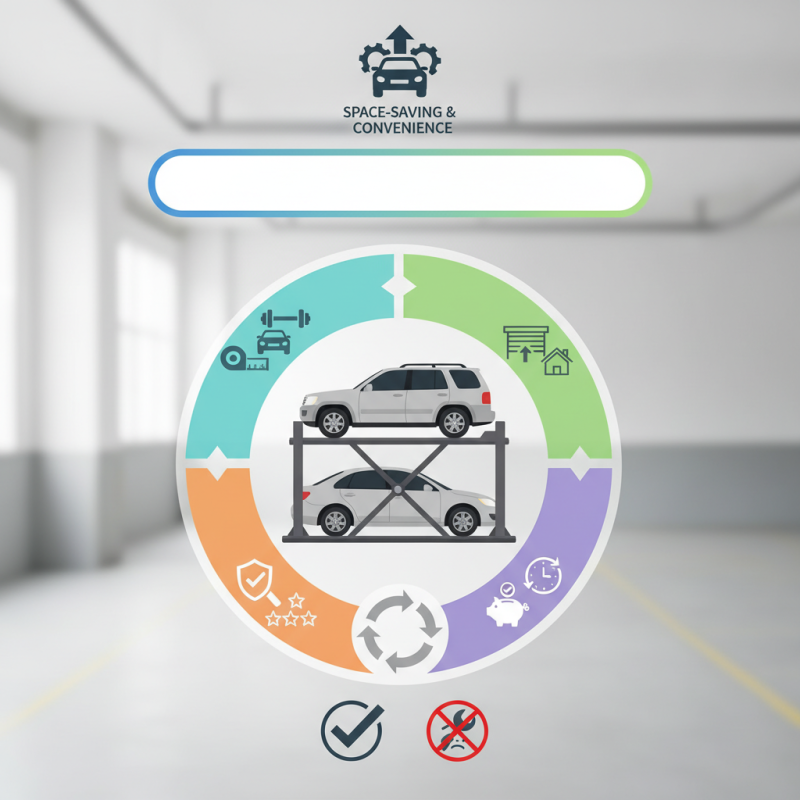
Choosing the right Car Elevator can seem daunting. With so many options available, it's essential to understand your unique needs. A car elevator not only saves space but also enhances convenience.
Consider the dimensions and weight capacity. Large vehicles require elevators designed to handle extra weight. Think about the installation location as well. Some garages may not have enough clearance.
It's crucial to research manufacturers and their reputations. Look for user reviews and expert recommendations. A reliable car elevator will provide peace of mind. Investing time in selection will pay off in the long run. Remember, a poorly chosen elevator can lead to issues. Evaluate your choices carefully to avoid regrets later on.
Factors to Consider When Choosing a Car Elevator
Choosing the right car elevator involves careful consideration of several factors. Start with capacity. Assess the weight and dimensions of your vehicles. Ensure the elevator can handle your heaviest car comfortably. If you plan to use it for larger vehicles, look for models with higher weight limits.
Next, think about the operating environment. Will it be indoors or outdoors? Weather-resistant materials are essential for outdoor use. Indoor units need protection from dust and debris. Review the elevator's safety features. Look for automatic shut-off systems and emergency brakes. These features enhance reliability and ensure the safety of users.
Also, consider the installation requirements. Some elevators need extensive structural support. This might involve additional costs. Reflect on your long-term needs. A car elevator should adapt as your requirements evolve. A minor misjudgment can lead to regrets down the line. Evaluate the return on investment for your choice. Making informed decisions will lead to better outcomes.
Types of Car Elevators and Their Applications
When choosing a car elevator, understanding different types is essential. Car elevators can be categorized into hydraulic, chain-driven, and screw-driven systems. Each type offers unique advantages based on your specific needs or location.
Hydraulic car elevators use fluid pressure for lifting vehicles. They are known for their smooth operation and ability to handle heavy loads. According to the International Organization for Standardization, hydraulic systems are ideal for low to mid-rise buildings. However, they require more maintenance due to fluid leaks and pump failures.
Chain-driven elevators, on the other hand, are more efficient for taller buildings. They utilize chains to lift vehicles, providing faster speeds and reduced energy consumption. The American Society of Mechanical Engineers notes that chain systems can achieve speeds of up to 200 feet per minute, making them suitable for high-density urban areas. Yet, noise levels may be a concern, and installation can be complex.
Screw-driven systems are less common but offer simplicity. They are quieter and easier to maintain than hydraulic or chain-driven models. However, they have lower lifting capacities. Reflecting on these types highlights the importance of considering your building's height, intended use, and budget before making a decision.
Evaluating Load Capacity and Size Requirements
When selecting a car elevator, considering load capacity and size is crucial. Evaluating these factors ensures a safe and efficient operation. Load capacity determines how much weight the elevator can handle. Make sure to account for the weight of the vehicle plus any additional tools or equipment. For example, a standard SUV may weigh significantly more than a compact car. Knowing this helps you choose an elevator that meets your needs.
Size requirements are just as vital. Measure your garage or commercial space carefully. The elevator must fit comfortably without overcrowding your area. Think about the height, width, and even the lifting height. If you plan to use it for larger vehicles, ensure the lift has sufficient clearance.
Tips: Always consult with experts to confirm your specifications. They can provide insights based on industry experience. Don’t overlook safety features, such as emergency stops and load sensors. Investing in quality can save costs in the long run. Reflect on your space and future needs, as requirements can change.
Load Capacity and Size Requirements of Car Elevators
Assessing Safety Features and Compliance Standards
When selecting a car elevator, safety features are paramount. A well-designed elevator must adhere to strict compliance standards. The American National Standards Institute (ANSI) and the International Organization for Standardization (ISO) provide guidelines for safety in vertical transportation systems. These standards cover aspects such as load capacity, emergency systems, and operational reliability. Reports indicate that elevators meeting these criteria reduce the risk of accidents by 30%.
Various safety features should be assessed. Look for systems with automatic safety brakes and overload sensors. These features prevent potential accidents caused by overloading. A regular maintenance schedule is crucial. Data show that elevators with routine checks have a 40% longer lifespan. Ensure the provider offers a robust maintenance plan.
Additionally, user feedback highlights potential shortcomings in safety protocols. Some operators may overlook essential upgrades. It’s vital to examine the track record of any elevator system. Independent reviews often provide insights into safety failures and compliance issues. Transparency in documentation is critical. Invest time in verifying the elevator’s certifications. This due diligence can help avoid costly safety oversights later.
Budget Considerations and Installation Costs
When considering a car elevator, budget is a crucial factor. The costs can vary widely based on the type and capacity. Basic models may start at low prices, but advanced features can significantly increase expenses. Installation costs also play a vital role. Depending on the complexity, installation might require additional labor and material costs. For a seamless installation, get multiple quotes.
Make sure to allocate funds not only for purchase but also for maintenance. Regular checks can prevent costly repairs later on. Some might overlook this, only to face unexpected expenses down the line. Consider how often you'll use the elevator. If it's for daily use, investing more may yield greater long-term benefits.
Think about your space too. The size and design of the elevator may affect installation costs. It’s wise to measure your area before deciding. You might find that a slightly larger model fits better, or a compact version suits your needs. Reflecting on these aspects will ensure you choose wisely.