
Skip to Content
chevron-left chevron-right chevron-up chevron-right chevron-left arrow-back star phone quote checkbox-checked search wrench info shield play connection mobile coin-dollar spoon-knife ticket pushpin location gift fire feed bubbles home heart calendar price-tag credit-card clock envelop facebook instagram twitter youtube pinterest yelp google reddit linkedin envelope bbb pinterest homeadvisor angies

How to Choose the Best Brusher Cutter in 2026

Choosing the right Brusher Cutter in 2026 is less about chasing the biggest engine and more about matching the machine to your land. A narrow garden edge, a sloping orchard, and a patch of woody scrub demand different cutting heads, power, and handling. Weight matters, too. Hold a cutter for ten minutes, and a poorly balanced harness can turn a small job into an uncomfortable one.

Equipment specialist Daniel Mercer offers a practical rule: “Choose the cutter for the toughest work you actually do, not the toughest work you might imagine.” Treat that as a starting point, not a complete answer. Check the recommended cutting attachments, shaft design, vibration control, service access, and availability of replacement parts. A machine can look capable in a showroom yet feel awkward beside a fence or under low branches. Details show up outdoors.

This guide’s title promises help choosing the best Brusher Cutter in 2026, so the sections ahead focus on real buying decisions: power source, cutting width, safety features, comfort, maintenance, and value. Compare specifications, but test the grip and balance whenever possible. Ask how the cutter starts after storage, and where routine servicing happens. One thing is easy to overlook: the lightest model is not always the easiest to control. And no specification sheet can replace a careful trial. The choice may still involve compromise. That is worth admitting.
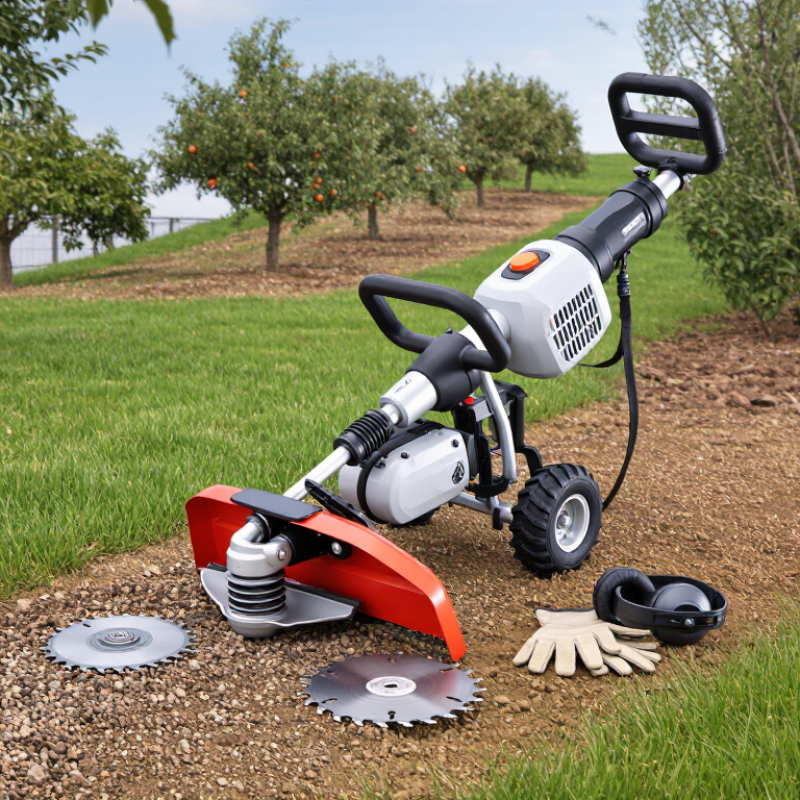
How to Choose the Best Brusher Cutter in 2026

Understanding What a Brush Cutter Is and How It Works

A brush cutter is a powered garden tool for cutting dense weeds, tall grass, and light woody growth. Its motor turns a drive shaft, which spins a cutting head or blade. Nylon line handles softer vegetation; a metal blade can tackle tougher stems when the tool is designed for it. Simple idea. But the cutting attachment, guard, and shaft must match the task and each other.

For choosing a cutter in 2026, look beyond engine size. Weight, balance, handle style, and vibration affect control during long passes along a fence or ditch. I would not use power as a shortcut; a strong machine can still feel awkward. Noise matters, too. NIOSH’s 1998 occupational noise criteria recommend exposure at or below 85 dBA over an eight-hour workday, using a 3 dB exchange rate. That is a workplace exposure guideline, not a brush-cutter noise rating. Compare each tool’s published sound data, and wear hearing protection when needed. Check the manual for compatible attachments and operating limits. The best fit depends on the vegetation, terrain, and time spent cutting—not just the motor.

Assessing Your Land, Vegetation, and Cutting Needs

Start with the ground, not the machine. Walk the whole area and note its size, slope, access, and obstacles such as stones, wire, and tree roots. A flat, open half-acre needs a different setup from a steep bank with narrow corners. Mark wet patches and hidden dips; footing can matter as much as cutting power.

Then identify what is growing. Soft grass and thin weeds usually need less cutting force than woody stems or tangled brambles. Check stem thickness and density in several spots, not only at the edge. A line head suits lighter growth. A compatible metal blade may handle tougher brush, if the manual permits it. Not just the edges.

Match the cutter to how often and how long you will work. For brief trimming, manageable weight and easy control may matter more than maximum power. Large areas or repeated heavy clearing call for sustained power and serviceable parts. Compare runtime, vibration, harness fit, and access to routine maintenance. Wear eye, hearing, leg, and foot protection, and keep bystanders well clear. Reassess after a short test cut: vegetation can hide stones, and the first pass may reveal that your initial choice was not quite right.

Comparing Brush Cutter Types, Power Sources, and Attachments

Choosing a brush cutter starts with the vegetation and terrain you actually face. Line-trimmer heads handle grass and soft weeds. Metal blades can cut tougher growth, but only when the machine is designed for them. Straight-shaft models often reach under shrubs and across uneven ground; shorter, lighter designs are easier to guide around garden edges. Battery models are quieter and need less routine maintenance, though thick growth can drain them quickly. Gas-powered units suit longer sessions but are heavier and require more upkeep. A bigger engine is not automatically better.

Attachments affect what one machine can safely do. A line head is useful near fences and tree trunks, while a compatible blade may work better in dense weeds. Never assume an attachment fits because its shaft looks similar. Check the manufacturer’s compatibility guidance and use the required guard. Wear eye, hearing, leg, and foot protection; small stones can fly farther than expected. I would also leave extra capacity for rough patches, but admit this can mean carrying more weight than necessary.

Evaluating Performance, Ergonomics, Safety, and Operating Costs

Choosing a brush cutter starts with the material you actually cut. For thick grass, brambles, and young woody stems, compare cutting width, attachment compatibility, and engine or battery output. A wide head can save passes, but may feel tiring near fences or on uneven ground. Test the balance. With gloves on, check whether the handles let you steer without twisting your wrists. A machine that feels manageable for five minutes may become awkward after an hour.

Safety details deserve more than a quick glance. Look for a secure guard, a reachable stop control, and a harness that spreads weight across both shoulders. Before work, inspect the cutting attachment for cracks and confirm it is fastened as specified in the manual. Keep bystanders well clear; stones can travel farther than expected. Eye and hearing protection matter, even during short trimming jobs.

Operating cost includes more than the purchase price. Estimate fuel or charging costs, replacement line or blades, routine servicing, and storage needs over a season. Battery models may be quieter, though spare batteries add expense and charging time can interrupt larger jobs. Petrol units can suit long sessions, but require maintenance and produce exhaust. In rough, stony areas, cutting line may need replacing more often than expected. I would check that assumption against the actual worksite. Compare warranty terms and local service access; choose for your real workload, not the largest number on a specification sheet.

How to Choose the Best Brusher Cutter in 2026 - Evaluating Performance, Ergonomics, Safety, and Operating Costs

Evaluation Factor Light-Duty Battery High-Output Battery Around 25 cc Gas Around 35 cc Gas
Best suited to Lawn edges, light weeds, and smaller properties where low noise and easy starting matter. Regular trimming and heavier vegetation when a compatible spare battery is available. Routine property maintenance and mixed grass and weed cutting. Dense weeds, frequent heavy work, and demanding brush-cutting tasks.
Typical power class Usually a lower-voltage cordless system; performance depends on motor, battery, and cutting attachment. Often a higher-voltage system or a higher-output motor and battery combination. Approximately 25 cc two-stroke engine class. Approximately 35 cc two-stroke engine class.
Typical working time or capacity Often about 20–45 minutes per charge in light-to-moderate trimming; heavy cutting can shorten runtime. Often about 15–35 minutes per charge under demanding use; carrying a second charged battery can reduce pauses. Can work as long as fuel is available; refueling is usually quicker than waiting for a battery recharge. Suited to sustained, heavier cutting, subject to fuel capacity, workload, and operator breaks.
Typical tool weight Roughly 3–5 kg (6.6–11 lb), generally including the battery but varying by configuration. Roughly 4–7 kg (8.8–15.4 lb), generally including the battery but varying by configuration. Roughly 4.5–6.5 kg (9.9–14.3 lb) for the power unit before fuel and cutting attachment. Roughly 6–8 kg (13.2–17.6 lb) for the power unit before fuel and cutting attachment.
Ergonomics and fatigue Usually lower vibration and simpler starting; check total weight with the battery installed. Often quieter and lower-vibration than comparable gas use, but the larger battery can add weight. Check handle adjustment, harness fit, vibration, and balance with the intended cutting head. Greater cutting capability can come with more weight and fatigue; a correctly fitted harness is important.
Noise and emissions No exhaust at the point of use and generally quieter operation, though the cutting attachment still makes noise. No exhaust at the point of use; noise varies with motor speed and cutting load. Produces exhaust and is typically louder than a cordless unit; follow local rules for fuel-powered equipment. Produces exhaust and can be loud under load; consider nearby people, work hours, and ventilation.
Safety considerations Wear eye and hearing protection and sturdy footwear; keep the guard fitted and remove the battery before servicing. Use the specified guard and cutting attachment; remove the battery before clearing or servicing the unit. Use eye or face protection, hearing protection, sturdy footwear, and suitable leg protection; refuel only with the engine stopped and cool. Use the specified blade or head and guard; maintain a clear debris zone and use the harness where recommended.
Routine maintenance Clean air inlets and inspect the line, blade, guard, and battery contacts; battery replacement is a future cost. Similar routine care to other battery units; check battery condition and charger compatibility. Requires fuel handling and engine maintenance, such as air-filter, spark-plug, and cutting-head checks. Similar gas-engine maintenance; heavier workloads can increase wear on cutting parts and service items.
Illustrative energy or fuel cost About $0.05–$0.20 per operating hour, assuming electricity at $0.16/kWh and roughly 0.3–1.0 kWh of charging energy per hour of use. About $0.05–$0.20 per operating hour on the same electricity and energy-use assumptions; actual draw varies with load. About $0.70–$1.40 per hour, assuming gasoline at $3.50/gallon and consumption of roughly 0.2–0.4 gallon per hour. About $1.05–$1.75 per hour, assuming gasoline at $3.50/gallon and consumption of roughly 0.3–0.5 gallon per hour.
Practical trade-off Convenient for shorter jobs; runtime and spare-battery cost are key considerations. A useful cordless choice for tougher work, provided battery capacity meets the job length. A balanced gas option for users who want refueling flexibility and moderate cutting capacity. Offers more reserve for demanding vegetation, with greater weight, fuel use, and maintenance needs.

How to use these figures: Ranges are indicative examples, not guaranteed specifications; actual performance varies by model, attachment, vegetation, technique, and conditions. Weight figures are approximate and use different conventions for battery and gas units, so compare complete, ready-to-use configurations before buying. Energy and fuel estimates cover electricity or gasoline only—not batteries, maintenance, oil, equipment purchase, or local price differences. Follow the operator’s manual and local safety requirements.

Selecting a Brush Cutter That Fits Your Work and Budget

How to Choose the Best Brush Cutter in 2026

Selecting a brush cutter begins with the work, not the biggest engine your budget can reach. For lawn edges and light weeds, a lighter machine with a line head may be easier to control. Dense brambles or woody stems call for a compatible blade and enough power to cut without constant bogging. Check the cutting attachments the tool supports, its weight, and whether its harness sits comfortably over your shoulders. Try the controls if possible. A machine that feels manageable for five minutes may feel very different after an hour.

Budget for ownership, not just the shelf price. Include fuel or replacement batteries, blades, protective equipment, and likely servicing. The U.S. Bureau of Labor Statistics reported median annual pay of $38,080 for grounds maintenance workers in May 2023; for paid crews, time lost to fatigue or repairs can matter as much as the purchase price. That figure is a broad occupation-wide benchmark, not a brush-cutting wage. For occasional home use, a simpler model may be sensible. Still, buying too little power can waste time.

Noise and vibration deserve a place in the decision. NIOSH recommends limiting occupational noise exposure to 85 dBA over eight hours, using a 3 dB exchange rate. Actual exposure depends on the machine, task, and workday, so check the manufacturer’s noise information and use suitable hearing protection. Compare weight with the battery or cutting head fitted. Small detail, big difference. A lower-cost model may suit short sessions, but its balance and service access are worth checking before purchase.