Why Choose a Precast Concrete Mixer for Your Construction Needs?
In today’s construction landscape, efficiency and quality are paramount. A Precast Concrete Mixer stands out as a critical tool for contractors seeking reliable solutions. This equipment provides superior control over the mixing process. It ensures uniform consistency in concrete, which leads to stronger structures.
Using a Precast Concrete Mixer allows for easier handling of specific projects. They can produce precast elements with precise dimensions. This is vital for large-scale constructions looking for speed without sacrificing quality. However, some contractors may still grapple with choices about mixers. Understanding the limitations of each type of mixer is essential.
Investing in a Precast Concrete Mixer can elevate the standard of any construction project. It combines advanced technology with practical application. This gives builders an edge in a competitive market. While cost and maintenance are valid concerns, the long-term benefits often outweigh these considerations. Ultimately, selecting the right mixer is a choice that demands reflection and thorough research.
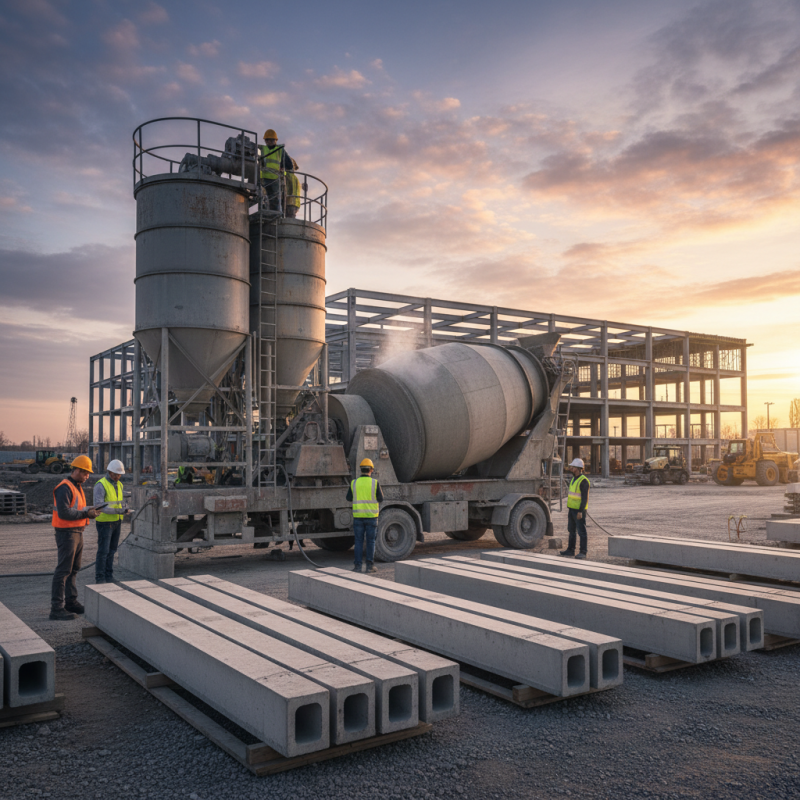
Understanding Precast Concrete Mixers and Their Functionality
Precast concrete mixers play a vital role in modern construction. They are designed for efficiency and precision. These mixers prepare concrete off-site, ensuring controlled conditions. This process leads to consistent quality. Each batch can be tailored to meet specific project requirements.
The functionality of precast concrete mixers is essential. They combine raw materials like cement, aggregates, and water. The technology allows for uniform mixing, reducing the chances of errors. However, not all mixers are created equal. Understanding the nuances of their operation is crucial. Some users may struggle with calibration or maintenance, which can impact output quality. Regular check-ups are necessary to keep performance levels high.
Investing in a precast concrete mixer can streamline your projects. Their ability to produce elements in bulk saves time and labor costs. Yet, choosing the right type requires careful consideration of your project's needs. Not all mixers suit every application. Ensure you evaluate your workflow and intended outcomes before making a purchase. This attention to detail can yield significant long-term benefits.
Precast Concrete Mixer Performance Comparison
Advantages of Using Precast Concrete Mixers in Construction Projects
Precast concrete mixers offer numerous advantages in construction projects. One significant benefit is consistency in quality. With controlled conditions, precast products maintain standards that can be challenging to achieve with traditional mixing methods. This enhances durability and reduces the risk of defects. Many contractors find that utilizing these mixers saves time. Projects can progress quickly as precast materials are often produced off-site. This allows construction teams to focus on other urgent tasks on-site.
Cost-effectiveness is another vital aspect. While the initial investment may seem high, precast concrete can lower overall project costs. It minimizes labor expenses and reduces waste by using exactly the amount needed. However, there can be challenges in transportation. Large concrete elements require special handling. This aspect demands careful planning to avoid delays or damage during delivery.
Environmental impact deserves consideration. Precast concrete mixers often use recycled materials, contributing to sustainability. Yet, sourcing these materials can sometimes be problematic. Not all suppliers offer the same quality of recycled aggregates. As the industry evolves, addressing such challenges is essential for maximizing the benefits of precast concrete mixers. By prioritizing quality and efficiency, construction projects can thrive in today’s competitive environment.
Cost-Efficiency and Time Savings with Precast Concrete Solutions
Precast concrete mixers offer a robust solution for modern construction. According to a study by the National Precast Concrete Association, using precast materials can reduce production time by up to 50%. This is significant when deadlines are tight. The efficiency of these mixers means projects can move forward faster, translating into cost savings.
Cost-efficiency is also a key factor. Precast concrete can lower labor costs by as much as 30%. This reduction arises from streamlined production processes and fewer onsite complications. Furthermore, precast elements are manufactured in controlled environments, enhancing quality and reducing waste. In fact, a report by McKinsey reveals that optimizing material use could save the construction industry nearly $1 trillion in the next decade.
However, not every project is suited for precast solutions. Designs must be adaptable to the limitations of precast fabrication. This means careful planning and thoughtful design choices are essential. Overlooking these aspects can lead to inefficiencies and increased costs. Evaluating project requirements becomes crucial to utilizing precast advantages effectively.
Quality Control and Consistency in Precast Concrete Production
The production of precast concrete demands strict quality control and consistency. Each element, from the mix to the curing, affects the final product. Small variations in the water-cement ratio can lead to significant differences in strength and durability. A controlled environment in a precast plant allows for uniform curing conditions. This is crucial for maintaining the material's integrity.
Monitoring processes is essential. Regular testing of materials ensures that they meet industry standards. Each batch should undergo scrutiny for consistency. However, human error or unforeseen equipment malfunctions can disrupt this control. It’s vital to implement checks and balances to catch these issues early.
Even with advanced technology, unexpected challenges arise in precast production. Sometimes, a seemingly minor detail is overlooked. This can lead to costly delays. Fostering an environment that promotes continuous improvement is crucial. It’s about learning from mistakes and refining processes for better outcomes. Consistency not only boosts safety but also enhances trust in precast concrete solutions.
Environmental Benefits of Precast Concrete Mixers in Construction
Precast concrete mixers are making significant strides in construction, not just in efficiency but also in environmental impact. According to recent studies, precast concrete can reduce greenhouse gas emissions by up to 20%. The controlled manufacturing process allows for the reduction of waste materials and energy consumption. This process helps achieve sustainability goals in construction.
Using precast concrete also yields significant resource savings. For example, water usage can be decreased by approximately 30% compared to traditional site-mixed concrete. Moreover, the durability of precast concrete structures can extend their lifespan. This minimally invasive approach reduces the need for frequent repairs and replacements, aligning with sustainable construction practices.
Tip: Consider using local suppliers for precast materials. This reduces transportation emissions and supports the local economy.
While precast concrete offers numerous environmental benefits, it’s important to acknowledge potential downsides. The upfront costs can be higher than traditional mixing methods. Moreover, transporting large precast elements may require more logistical planning. These factors must be balanced against long-term savings and environmental advantages.
Tip: Always conduct a lifecycle assessment to weigh the benefits against potential downsides.
Why Choose a Precast Concrete Mixer for Your Construction Needs? - Environmental Benefits of Precast Concrete Mixers in Construction
| Environmental Benefit | Description | Impact on Construction |
| Reduced Waste | Precast concrete mixers produce materials in a controlled environment, minimizing excess waste. | Lower disposal costs and reduce environmental footprint. |
| Energy Efficiency | Mixers optimize material use and reduce energy consumption during production. | Contributes to lower operating costs and eco-friendly practices. |
| Sustainability | Use of recycled materials in precast concrete production. | Promotes a circular economy within the construction industry. |
| Water Conservation | Efficient mixing processes require less water compared to traditional methods. | Helps protect local water sources and reduces overall demand. |
| Durability | Precast concrete products have a longer lifespan, reducing the need for repairs or replacements. | Saves resources over time and decreases construction frequency. |