How to Choose the Best Wire Mesh Weaving Machine for Your Needs?
Choosing the right wire mesh weaving machine can greatly impact your production efficiency and product quality. With various machines available, understanding your specific needs is essential. You may find machines that vary in size, speed, and material compatibility.
Consider the type of wire mesh you intend to produce. Different applications require different weaving techniques. For instance, if you are making filters, precise tension and accuracy are crucial. Reflecting on your production goals will help narrow down options.
Quality and durability are also factors to weigh. Some machines offer better performance but may come at a higher cost. It’s important to analyze the long-term benefits versus the initial investment. A wire mesh weaving machine should not only meet your current demands but also adapt to future needs. Make a list of must-have features, and be aware that no machine is perfect. Each will have its strengths and weaknesses to consider.
Understanding the Different Types of Wire Mesh Weaving Machines
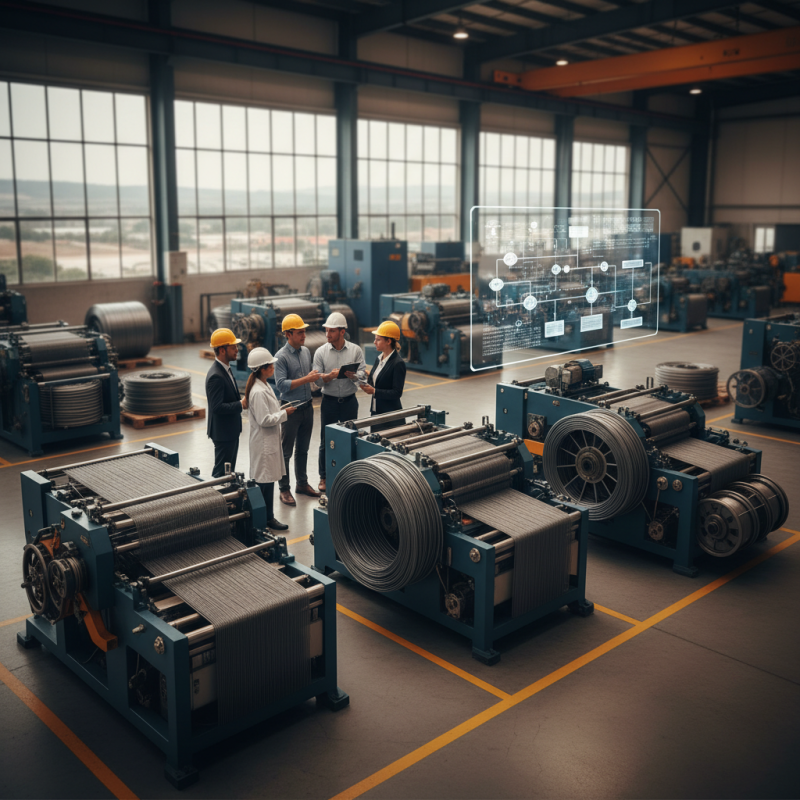
When it comes to wire mesh weaving machines, understanding the different types is crucial. There are several designs available, catering to various needs. Some machines focus on larger mesh sizes, ideal for construction. Others, meanwhile, produce finer mesh, which may be used in filtration or decorative applications. Each type comes with distinct features and capabilities.
For example, automated machines offer precision. They can produce intricate patterns consistently. However, these machines may require higher initial investment and maintenance. On the other hand, manual machines are often more affordable, but they may lack efficiency. It’s essential to weigh these options based on your production demands.
Another aspect to consider is material compatibility. Some machines work well with stainless steel, while others may be suited for softer metals like aluminum. The right choice largely depends on what you intend to create. Failing to match materials can lead to inefficiencies and quality issues, reflecting the importance of making informed decisions.
Key Considerations When Choosing a Wire Mesh Weaving Machine
When selecting a wire mesh weaving machine, several key considerations are crucial. Understanding the specific type of wire mesh you’ll produce is vital. For instance, architectural mesh, industrial mesh, and fencing mesh each have unique requirements. According to industry reports, the global wire mesh market is projected to grow significantly, targeting a value exceeding $7 billion by 2027. This highlights the importance of choosing the right equipment.
Another important factor is the machine’s capabilities. Consider the wire diameter range it can handle. Many machines have limitations that may not accommodate thicker wires or unique materials. It's valuable to analyze production speed as well. A faster machine can boost productivity, but efficiency is equally important. Make sure to evaluate the trade-offs for your specific production needs.
Don't overlook the footprint and design of the machine as well. A compact machine might fit better in limited spaces, but ensure it does not compromise functionality. Some reports indicate that manufacturers often underestimate maintenance needs. Regular upkeep may require extra manpower and unexpected costs. Assessing long-term operational challenges is essential for informed decision-making. Keep these considerations in mind as you explore options.
Analyzing Production Capacity and Efficiency Requirements
When selecting a wire mesh weaving machine, production capacity is crucial. Assess your requirements based on the product demand. Machines vary in output. Some may suit small-scale production while others target large factories. Efficiency plays an equally important role. A machine's speed can impact overall productivity. Slower machines will cause delays, affecting deadlines.
Consider your material types as well. Different materials require specific machines. This choice affects weaving patterns and durability. A mismatch here can lead to wasted resources. Always evaluate operational costs, too. A highly efficient machine may save money in the long run, though initial investments could be high.
Tips: Estimate your daily output needs. Keep a record of typical production volumes. Regularly check machine performance against these records. It helps you identify if adjustments are needed. Don’t ignore feedback from workers. Their insights can reveal inefficiencies. A fluid dialogue can enhance productivity dramatically. Don't shy away from reconsidering your choice if performance lags.
Assessing Machine Quality, Durability, and Maintenance Needs
When choosing a wire mesh weaving machine, assessing its quality is vital. Quality affects your production efficiency. Look for solid construction. Check materials used in the machine. Steel components are more durable than plastic ones. Look for machines that have been tested extensively for reliability. User reviews can provide insights into long-term performance.
Durability is another critical factor. Machines endure heavy use, so they need to withstand wear and tear. Ask about warranty terms. A longer warranty often indicates a manufacturer’s confidence in their product. Pay attention to customer feedback on maintenance. Some machines require more upkeep than others. Regular maintenance can prevent unexpected breakdowns.
Maintenance needs should not be overlooked. Simple maintenance tasks will save you time and money. Machines that require complex service can become a headache. Ask about the availability of replacement parts. It's important that spare parts are easy to find. This availability can directly impact your machine’s uptime. Reflecting on these factors can be challenging, but it ensures you make a sound investment.
How to Choose the Best Wire Mesh Weaving Machine for Your Needs?
| Parameter | Description | Importance Level |
| Weaving Speed | Speed at which the machine can weave mesh. | High |
| Material Compatibility | Types of materials that can be used (e.g., steel, stainless steel). | Medium |
| Maintenance Frequency | How often the machine requires maintenance. | High |
| Durability | How long the machine lasts before needing replacement. | High |
| User-Friendliness | How easy it is to operate and set up the machine. | Medium |
| Cost of Ownership | Total cost including purchase, maintenance, and operation. | High |
Evaluating Budget Constraints and Return on Investment Factors
When evaluating budget constraints for a wire mesh weaving machine, consider both initial costs and long-term expenses. The purchase price is just the beginning. Installation and maintenance can add significantly to your total investment. It’s essential to calculate these costs upfront. You may find that a lower-priced machine requires more frequent repairs, which could counteract any savings.
Return on investment is a crucial factor. Think about production capacity and efficiency. A high-capacity machine might cost more, but if it saves time and labor, it could pay off quickly. Assess your production goals and how different machines align with them. Reflect on your actual needs. Are you producing large volumes or niche products? Sometimes, a machine tailored for specific tasks may outperform a more general one in the long run.
Consider potential upgrades too. Some machines allow for add-ons that can boost productivity. This flexibility is valuable. To make the best decision, outline your operational goals. Balance them with your available budget. Look for machines that provide a good mix of performance and cost-effectiveness, without overshooting your budget. It’s a delicate balance, but one worth exploring.