How to Choose the Best Stainless Steel Drill Bits for Your Needs?
When it comes to drilling into stainless steel, choosing the right tool is essential. Stainless Steel Drill Bits are specifically designed to handle the unique challenges of this tough material. Their effectiveness is guided by features like sharp edges, material composition, and geometry.
Many users overlook the importance of material quality. A high-quality drill bit can significantly impact performance and durability. However, some might wonder if all stainless steel drill bits are the same. This is not true. Variations exist, and understanding them is crucial for your projects.
Finding reliable information can be overwhelming. Different manufacturers might promise great results, but not all deliver. Evaluating user reviews and expert opinions is necessary. As you explore options, be mindful of common pitfalls. Choosing the wrong bit can slow you down and lead to frustrating results. Make informed decisions and invest in drill bits that truly meet your needs.
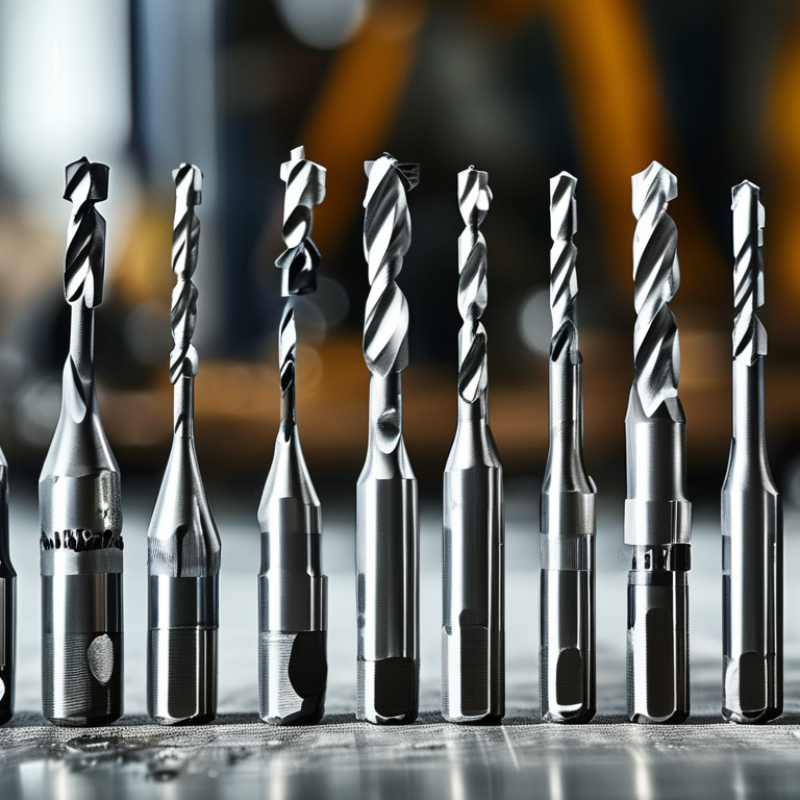
Understanding Stainless Steel Drill Bits: Types and Applications
When choosing stainless steel drill bits, it's essential to understand their types and applications. Various designs cater to different needs, ranging from twist bits to step bits. Twist bits are versatile and great for general use. Step bits excel in drilling multiple hole sizes with precision. Each type has its strengths, making it crucial to match your project requirements to the right bit.
Here are some tips to enhance your drilling experience. First, ensure your bits are rated for stainless steel. The right material prevents chipping and extends the lifespan of your tools. Next, keep bits sharp. Dull bits can lead to uneven holes and frustration. Take the time to sharpen or replace them when necessary.
Lastly, consider the drill speed. Slower speeds often work better for stainless steel, preventing overheating. Remember to apply consistent pressure during drilling. This technique can help achieve a clean finish. If you notice excessive wear, reflect on your techniques. Adjustments may be needed for improved results.
Key Factors in Selecting the Right Drill Bit Size and Design
Choosing the right drill bit size and design is crucial for effective drilling in stainless steel. A properly sized bit prevents damage to both the material and the bit itself. Start by assessing the thickness of the stainless steel you plan to drill. This will help in selecting a drill bit with the appropriate diameter. For thinner materials, smaller bits work well. Thicker materials may require larger bits to achieve optimal results.
Consider the design of the drill bit as well. A twist drill bit is versatile and widely used. It features a sharp point that enables precise drilling. However, for tougher stainless steel, a cobalt or carbide-tipped bit may be more effective. These designs are engineered for durability and heat resistance. Reflect on your specific needs and conditions. If the drilling operation generates excessive heat, it may indicate that the wrong bit is being used.
While selecting the ideal drill bit, keep in mind factors such as cutting speed and feed rate. It’s easy to overlook these elements, but they significantly affect performance. Ensuring you use the correct speed can enhance the lifespan of your drill bit. In some cases, users may find themselves struggling with defects in their drilling patterns. This could stem from improper bit selection. Identifying these issues will only improve future projects.
Material Composition: What Makes a Drill Bit Durable and Efficient
When selecting stainless steel drill bits, material composition is critical. Stainless steel offers strength and resistance to corrosion. However, not all stainless steel is created equal. The alloy used in drill bits can greatly affect performance and longevity. For instance, bits made from high-carbon stainless steel tend to be more durable. But they may sacrifice some sharpness.
The design of the bit also plays a role. Flute geometry is important for efficient chip removal. A well-designed flute reduces friction, leading to smoother drilling. Unfortunately, many users overlook these factors. They purchase based on price or brand alone. This can lead to frustrating experiences.
Testing a few different types can yield insights. Experiment with bits of varying compositions to find what works best for your projects. A trial-and-error approach may feel inefficient, but it can provide valuable lessons. Real-world experience informs future purchases, ensuring you choose bits that align with your specific needs.
Essential Performance Ratings: Cutting Speed, Hardness, and Longevity
When selecting stainless steel drill bits, performance ratings are crucial. Cutting speed is a primary factor. Studies indicate that bits with higher RPM ratings can cut faster. For stainless steel, a speed of 350-600 RPM is ideal. This rate boosts efficiency, especially when working on thicker materials. However, excessive speed can lead to overheating, causing bit wear.
Hardness is another critical aspect. The Rockwell hardness scale is frequently used to measure bit hardness. Bits with a rating of at least HRC 50 are typically suitable for stainless steel applications. Yet, harder isn’t always better. Overly hard bits may be prone to brittleness, resulting in breakage during rigorous drilling tasks. A balance between hardness and toughness is essential.
Longevity directly affects cost-effectiveness. Data suggests that high-quality bits can last up to 10 times longer than inferior ones. Still, the environment plays a significant role. Factors like material type, cutting fluid usage, and feed rate must be considered. Ignoring these elements can instantly diminish a bit’s lifespan. Choosing the right stainless steel drill bits involves trade-offs and careful evaluation of these performance ratings.
Maintenance Tips for Stainless Steel Drill Bits to Enhance Lifespan
Stainless steel drill bits require proper maintenance to ensure long-lasting performance. Regular cleaning is essential. After each use, clean the bits thoroughly to remove any debris and metal shavings. Neglecting this step can lead to rust and reduced effectiveness. A simple solution involves wiping them down with a soft cloth and using a mild solvent to remove residue.
Proper storage can also significantly extend the lifespan of your drill bits. Store them in a dry, cool environment to prevent moisture buildup. Using a dedicated container or a drill bit case can protect the bits from physical damage. However, many overlook this detail and leave bits exposed to elements. This can lead to premature wear and tear.
Lastly, lubrication plays a crucial role in maintenance. Applying a small amount of oil before storage can prevent corrosion. It's easy to forget this step, but it pays off in the long run. Regular checks for wear are necessary too. Even small signs of damage can affect drilling performance. Maintaining your stainless steel drill bits requires attention, but the effort will result in improved efficiency over time.