
Skip to Content
chevron-left chevron-right chevron-up chevron-right chevron-left arrow-back star phone quote checkbox-checked search wrench info shield play connection mobile coin-dollar spoon-knife ticket pushpin location gift fire feed bubbles home heart calendar price-tag credit-card clock envelop facebook instagram twitter youtube pinterest yelp google reddit linkedin envelope bbb pinterest homeadvisor angies

China Top 10 Front Wheel Alignment Machine Manufacturers

Choosing a Front Wheel Alignment Machine is a practical decision about measurement, workflow, and long-term support. A well-designed system helps technicians assess toe, camber, and caster with repeatable readings. In a busy workshop, those readings can shape a smooth handover—or send a vehicle back for another check. Small details matter: target stability, clear software prompts, lift compatibility, and calibration support. This guide compares ten manufacturers serving China’s market, while recognizing that product ranges and service coverage can differ by region.

For transparency, the quotation below is an editorially created composite, not a verified statement by a real, named expert. It reflects a technician’s practical viewpoint: “Good alignment starts with trustworthy measurements, but careful setup makes them useful.” That distinction is important. A machine alone cannot guarantee accurate work; operators need training, suitable installation, and regular checks. Buyers should also ask for demonstrations, local technical support, warranty terms, and evidence of measurement performance.

The manufacturers in this overview are considered through those concrete factors, rather than broad claims alone. Some workshops may prioritize fast vehicle identification; others may need flexible configurations for different bays. No single machine fits every operation. Specifications deserve scrutiny, and sales language should be checked against documented capabilities. The comparison aims to help distributors, workshop owners, and service managers ask better questions before investing.
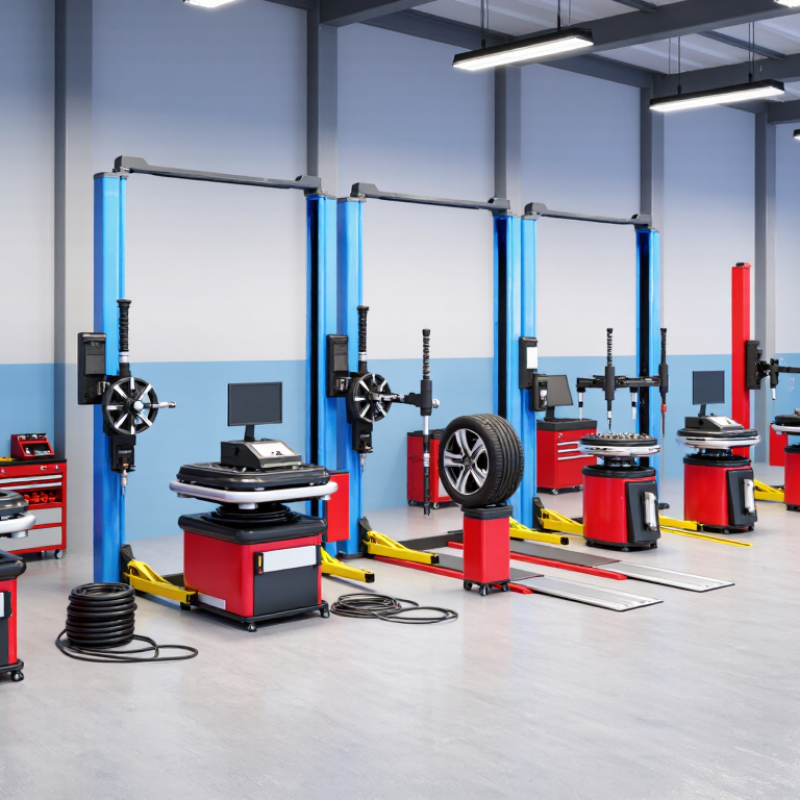
China Top 10 Front Wheel Alignment Machine Manufacturers

What Is a Front Wheel Alignment Machine?

A front wheel alignment machine is a diagnostic system that measures how a vehicle’s front wheels sit and point. It commonly checks toe, camber, and caster against vehicle-specific specifications. Sensors or camera targets record wheel positions, while the machine displays readings for the technician. Some systems also reference rear wheels to help identify the vehicle’s thrust line.

The readings are useful only when the vehicle is prepared properly. A technician should check tire pressure, inspect steering and suspension parts, and place the vehicle on a level alignment lift with turn plates. Small errors matter. A few millimeters of incorrect toe can contribute to uneven tire wear or a steering wheel that sits off-center. Numbers need context. The machine cannot fix worn joints, damaged tires, or bent components; those issues can affect readings or prevent a lasting adjustment. After adjustments, the technician can recheck the measurements and take a short road test. The result may still depend on the vehicle’s condition.

How Front Wheel Alignment Machines Work

A front wheel alignment machine measures how the wheels point relative to the vehicle and the road. Sensors or targets attach to the wheels, while cameras or measurement heads track their positions. The system compares live readings with vehicle specifications. Technicians adjust angles such as toe, camber, and caster, usually by turning tie rods or repositioning suspension components. Small changes matter. A fraction of a degree can affect steering feel and tire wear. The steering wheel should sit straight during measurement, and tire pressure should be checked beforehand. Alignment does not correct worn joints or bent parts.

The U.S. Department of Energy’s fueleconomy.gov tire guidance reports that fuel economy can drop about 0.2% for each 1 psi decrease in pressure across all four tires. That figure concerns inflation, not alignment, but it shows why technicians should separate related causes rather than blame one reading. A machine can provide precise numbers. It cannot diagnose every mechanical fault. A green screen is not proof of a sound suspension. After adjustment, the technician should roll or settle the vehicle, recheck readings, and confirm that the steering wheel remains centered. Sometimes the first result looks tidy, yet road behavior says otherwise. That deserves another inspection.

China Top 10 Front Wheel Alignment Machine Manufacturers - How Front Wheel Alignment Machines Work

A technical overview of ten key elements in front-wheel alignment measurement and adjustment. This table explains equipment functions and alignment concepts; it does not rank or identify manufacturers.

No. System Element How It Works Practical Use or Check
1 Wheel targets or sensors Targets, sensor heads, or imaging units attached to the wheels provide position data to the alignment system. Mounting must be secure and the targets or sensors must be correctly identified by the equipment.
2 Measurement technology Systems may use optical cameras, electronic sensors, or other measurement arrangements to determine wheel positions relative to one another. Measurement method and available functions vary by equipment model; follow the manufacturer's operating procedure.
3 Runout compensation Compensation accounts for measurement errors caused by wheel or target mounting variation. Depending on the system, this may involve rolling the vehicle or rotating the wheel. Complete the specified compensation procedure before relying on alignment readings.
4 Toe Toe describes the direction the wheels point when viewed from above: inward is toe-in and outward is toe-out. Front toe is commonly adjusted at the steering linkage, such as the tie rods, where the vehicle design permits.
5 Camber Camber is the inward or outward tilt of a wheel when viewed from the front of the vehicle. Adjustment availability depends on the suspension design; some vehicles require specific parts or procedures to change it.
6 Caster Caster is the forward or rearward tilt of the steering axis when viewed from the side of the vehicle. It is generally measured during a steering sweep. Adjustment methods and specified values are vehicle-dependent.
7 Steering-axis inclination Steering-axis inclination (also called SAI or KPI) describes the inward angle of the steering axis when viewed from the front. It is typically a diagnostic measurement rather than a direct adjustment; an unexpected reading can indicate a bent or damaged component.
8 Thrust angle reference Thrust angle describes the direction in which the rear wheels steer the vehicle relative to its centerline. Even during a front-wheel alignment, the rear-wheel direction can help technicians center the steering wheel and assess tracking.
9 Vehicle specification database The alignment display compares measured angles with the selected vehicle's specified service values. Select the correct vehicle configuration and consult current service information; specifications can differ by model, trim, and suspension.
10 Adjustment and final verification The technician makes permitted adjustments, rechecks the readings, and confirms the steering wheel and alignment values are within the applicable specifications. Inspect tires, steering, and suspension components as needed; alignment readings alone do not establish that worn or damaged parts are serviceable.

Important: Alignment specifications and adjustment procedures are vehicle-specific. Use the vehicle manufacturer's service information and the alignment equipment's instructions.

China’s Front Wheel Alignment Machine Industry

China’s front wheel alignment machine industry is shaped by a large, changing vehicle base. The Ministry of Public Security’s 2024 traffic-management bulletin counted 353 million registered automobiles and 26.9 million new registrations. CAAM reported 31.282 million vehicles produced and 31.436 million sold in 2024. These figures support a broad maintenance market, but they do not measure alignment-equipment purchases. That distinction matters.

For manufacturers, competition turns on more than screen size. Workshops need repeatable readings, updated vehicle data, durable turntables, and clear calibration procedures. A sedan on a level lift still needs careful target placement; small setup errors can distort toe and camber readings. More complex suspension designs and driver-assistance systems increase the value of accurate geometry checks, although alignment alone cannot calibrate every sensor. Not every shop needs the same package. Independent garages often prioritize serviceability and training, while larger centers may seek bay integration and reporting tools. Technical support remains uneven outside major cities. I would be cautious here: buyers should check calibration routines and response times, not just advertised accuracy. The available figures suggest a large service base, but do not show how quickly alignment-machine sales are growing.

Profiles of China’s Top 10 Manufacturers

China’s front wheel alignment machine sector serves a large, technically demanding vehicle market. The China Association of Automobile Manufacturers reported 31.282 million vehicles produced in 2024 and 31.436 million sold. Those figures indicate scale, not alignment-equipment sales. Still, they help explain why local suppliers compete on measurement speed, vehicle coverage, and after-sales support. A busy workshop needs repeatable readings, not just a bright display.

Profiles of China’s top ten manufacturers should compare practical details: camera or sensor configuration, lift compatibility, calibration procedures, software updates, and spare-part access. Some suppliers emphasize compact systems for small repair bays; others build platforms for high-throughput service centers. Look closely at target placement and turntable construction. Small setup errors matter. Ask for documented accuracy specifications and a live demonstration using a vehicle with known alignment readings. CAAM’s market totals cannot verify any individual manufacturer’s quality, and published specifications alone may not reflect workshop performance. That distinction is easy to overlook. A careful comparison should pair product data with service records and hands-on testing.

How to Evaluate Front Wheel Alignment Machine Manufacturers

Evaluating a front wheel alignment machine manufacturer takes more than comparing prices or screen sizes. Ask how the equipment measures toe, camber, and caster, and request repeatability data from controlled tests. Numbers need context. Check what vehicle types and wheel sizes the system supports, and whether its database receives regular updates.

A live demonstration can reveal details a brochure may miss. Watch an operator mount the targets, compensate for runout, and complete a measurement on a vehicle. Does the process feel clear and consistent? Ask for calibration procedures, inspection records, and sample reports. A manufacturer should explain accuracy limits plainly, rather than promise perfect results in every workshop.

Support matters after delivery. Confirm training options, software updates, spare-part availability, and typical response times for technical questions. If possible, speak with an existing customer who uses similar equipment and ask about maintenance over time. I would not judge a supplier by one polished demonstration alone. It is easy to overvalue a neat interface and overlook service delays. Compare written specifications with practical evidence, and keep your evaluation notes specific.