
China Top Chicken Cage Manure Belt Supplier?
China Top Chicken Cage Manure Belt Supplier?
China’s large layer industry creates constant demand for dependable manure-removal systems. The OECD-FAO Agricultural Outlook 2024–2033 identifies China as a leading force in global egg production. That scale makes daily hygiene, labor efficiency, and waste handling important farm priorities. A Chicken Cage Manure Belt can move droppings beneath stacked cages before moisture and ammonia increase.
The best supplier is not always the cheapest. It should provide stable belt thickness, accurate dimensions, and suitable materials for humid poultry houses. Polypropylene belts are common because they resist tearing and support repeated cleaning. Skilled suppliers also match belt speed, cage width, scraper design, and conveyor structure. Small details matter. A weak joint can stop an entire house.
FAOSTAT data highlights the continuing importance of poultry production worldwide. Industry equipment reports also show rising interest in automation, although market forecasts can differ by research method. Buyers should question impressive claims. A factory audit, sample testing, and clear warranty terms provide stronger evidence than a polished catalog. Ask for tensile-strength records, installation photos, and export references. Our view may still be incomplete. Farm conditions vary sharply between northern China and humid coastal regions. Therefore, this guide will compare supplier capability, belt quality, technical support, customization, and after-sales service. It will focus on practical evidence, not simple rankings, helping poultry producers choose a reliable Chicken Cage Manure Belt partner for long-term operation.
What Is a Chicken Cage Manure Belt?
China Top Chicken Cage Manure Belt Supplier?
What Is a Chicken Cage Manure Belt?
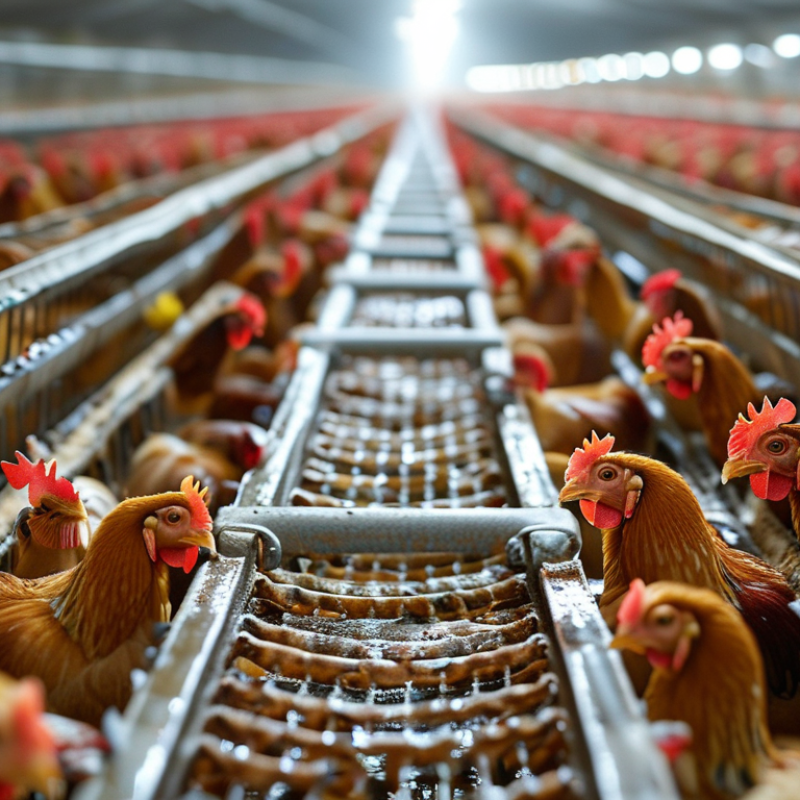
A chicken cage manure belt is a continuous conveyor belt installed beneath poultry cages. It collects droppings and moves them toward a removal point. Most systems use durable polypropylene or polyethylene materials. These materials resist moisture, mild chemical exposure, and repeated bending. The belt helps keep manure away from birds, eggs, and walking areas. It also reduces manual cleaning time inside the poultry house.
In practical farm use, belt alignment matters greatly. A loose belt may wrinkle under heavy manure. A poorly supported belt can sag and collect wet waste. I have seen belts run smoothly in dry conditions but struggle after poor ventilation. That detail is easy to overlook. Belt thickness, cage width, motor strength, and cleaning frequency should match the farm’s daily output. A reliable supplier should explain these choices clearly and provide measurable specifications.
Tips: Check belt tension every week. Remove stones, wire, and hardened manure before operation. Keep the belt surface dry when possible. Inspect edges for cracks or stretching. Do not select only by the lowest price. A cheaper belt may require earlier replacement, although that is not always the case. Test a sample under real farm conditions before ordering large quantities.
China Top Chicken Cage Manure Belt Supplier? - What Is a Chicken Cage Manure Belt?
| Category | Specification or Dimension | Practical Information |
|---|---|---|
| Definition | Chicken cage manure belt | A continuous conveyor belt installed beneath or between poultry cage tiers to collect and transport chicken manure to a discharge point or manure processing area. |
| Primary function | Manure collection and removal | The belt reduces direct contact between manure and the poultry house floor, supports more frequent cleaning, and can help improve house hygiene when properly operated. |
| Common belt material | Polypropylene (PP) | PP is widely used because it is lightweight, moisture-resistant, relatively easy to clean, and suitable for repeated movement in poultry manure systems. |
| Typical belt width | Approximately 1,000–2,500 mm | The required width depends on the cage design, tier arrangement, manure volume, and conveyor frame. The belt should be wider than the effective manure-fall area to reduce spillage. |
| Typical belt thickness | Approximately 0.8–2.0 mm | Thicker belts generally provide greater resistance to tearing and deformation, while thinner belts may reduce system weight and initial material cost. The correct choice depends on span, tension, and manure load. |
| Surface design | Smooth or lightly textured surface | A smooth surface helps manure discharge and simplifies washing. Excessively deep textures may retain material and increase cleaning requirements. |
| Usable temperature range | Typically about −20°C to 60°C | The actual operating range depends on the belt formulation, storage conditions, cleaning method, and local climate. The supplier should confirm performance for the farm’s lowest and highest temperatures. |
| Drive arrangement | Motor-driven roller or sprocket system | The drive system pulls the belt through the cage row. Correct alignment, roller engagement, and tension are essential to prevent belt wandering, slipping, or edge damage. |
| Usual conveying speed | Approximately 5–20 m/min | The suitable speed depends on cage length, manure moisture, discharge capacity, and cleaning frequency. Excessive speed can increase spillage and mechanical stress. |
| Recommended belt qualities | Tear resistance, dimensional stability, and low water absorption | A suitable belt should resist cracking, stretching, edge fraying, and deformation during continuous operation. Material uniformity and reliable welded or mechanically joined seams are important. |
| Joint methods | Thermal welding, hot pressing, or mechanical fasteners | A welded joint can provide a smooth, low-profile connection when correctly made. Mechanical joints may simplify field installation but should be selected to avoid catching on rollers or cage components. |
| Cleaning requirements | Routine dry scraping and periodic washing | Removing excessive manure before it hardens helps reduce belt load. If water is used, the belt, frame, bearings, and electrical components should be compatible with the cleaning procedure. |
| Installation checks | Leveling, alignment, tension, and roller clearance | The conveyor frame should be straight and level. Insufficient or excessive tension can cause tracking problems, slipping, premature wear, or damage to the belt and drive components. |
| Important purchasing data | Length, width, thickness, joint type, and cage configuration | A buyer should provide the complete belt length, required width, thickness, number of tiers, cage-row layout, drive position, operating temperature, and expected cleaning method before requesting a quotation. |
| Supplier evaluation criteria | Material consistency, dimensional accuracy, sample testing, and after-sales support | Compare technical specifications rather than price alone. Check belt dimensions, seam quality, tensile performance, packaging, delivery capability, installation guidance, replacement-part availability, and warranty terms. |
Selection note: Actual dimensions and operating parameters should be confirmed against the poultry cage system, manure moisture level, conveyor length, local climate, and applicable farm safety requirements before production or installation.