China Top Forklift Collision Detection System for Safe Operations?
In the bustling world of warehouses and distribution centers, safety is paramount. Forklifts play a crucial role in logistics, but their operation poses risks. Accidents involving forklifts can lead to injuries, property damage, and even loss of life. This highlights the need for a robust Forklift Collision Detection System.
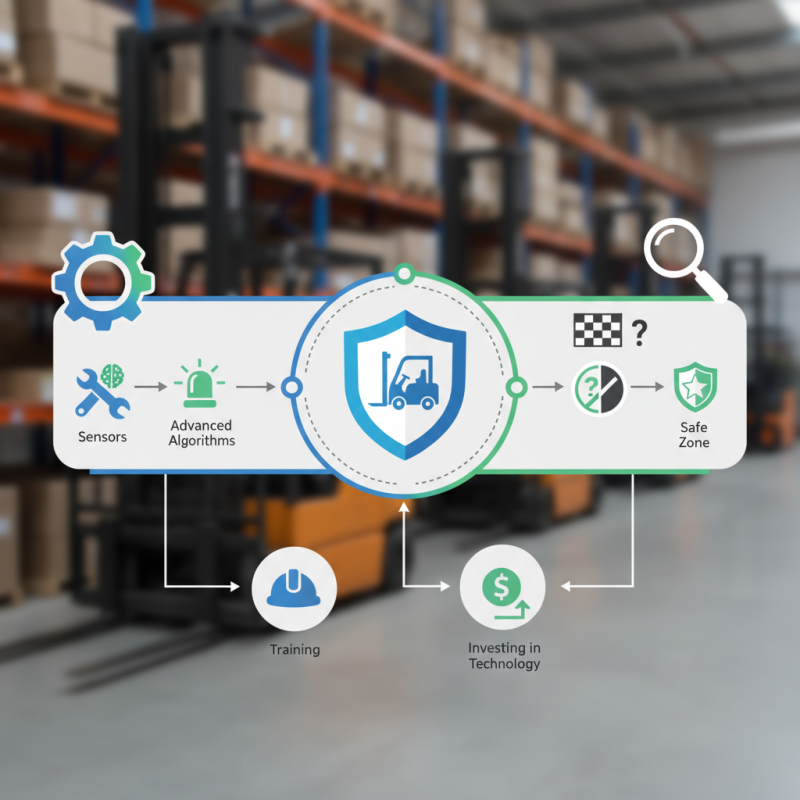
These systems aim to enhance operational safety. They use sensors and advanced algorithms to detect potential collisions in real-time. By doing so, they can alert operators and prevent dangerous situations. However, the effectiveness of these systems can vary. Some may struggle in complex environments, leading to potential blind spots.
It is essential to evaluate the features and limitations of different Forklift Collision Detection Systems. Users need to be aware of their specific operational needs. The right system can greatly reduce risks and create a safer working environment. Investing in technology and training is vital in cultivating a safety culture in warehouses.
Overview of Forklift Collision Detection Systems in China
In recent years, the rise of forklift collision detection systems in China has transformed warehouse safety. Statistics show that forklift accidents contribute to about 25% of injuries in industrial settings. This alarming number emphasizes the need for effective safety solutions. Advanced systems are designed to detect obstacles and prevent collisions, significantly reducing accident rates in various facilities.
Leading studies highlight that implementing these systems can decrease accidents by up to 50%. However, adoption rates vary widely across industries. Many businesses hesitate due to perceived costs or the complexity of installation. Yet, these systems often pay for themselves through the reduction of workplace injuries and damage to goods.
While the technology is evolving, challenges remain. Some systems may have limitations in detecting smaller obstacles. Additionally, training workers to adapt to these technologies can be a hurdle. This highlights a gap that organizations need to address. Better education around the technology can improve operational safety and promote a culture of awareness.
Importance of Collision Detection for Forklift Safety
Forklifts play a vital role in industrial operations. However, they also pose significant safety risks. According to the Occupational Safety and Health Administration (OSHA), forklift accidents account for approximately 100 fatalities and 95,000 injuries annually in the U.S. alone. These alarming statistics emphasize the importance of effective collision detection systems. Such systems can significantly reduce accidents, improving safety for operators and pedestrians alike.
Recent studies indicate that implementing advanced collision detection technology can lower accidents by up to 30%. This technology utilizes sensors and cameras to detect obstacles and prevent collisions. It ensures that the forklift stops or navigates around hazards in real time. The reduction of human error in these operations is crucial. In many cases, accidents happen due to visibility issues or operator distraction.
Tips for enhancing safety include regular training for operators on new technology and safety protocols. Encouraging a culture of safety can help to reinforce conscientious behaviors. Another key aspect is routine maintenance of equipment to ensure sensors function correctly. Regular checks can identify potential malfunctions early. This proactive approach can prevent serious accidents and contribute to a safer working environment.
Importance of Collision Detection for Forklift Safety
This chart illustrates the frequency of forklift collisions categorized by risk level. As shown, the majority of incidents fall under low and moderate risk categories, highlighting the necessity for effective collision detection systems to enhance safety operations.
Technological Innovations in Collision Detection Systems
Collision detection systems are becoming essential in warehouse operations worldwide. These innovative technologies enhance safety and efficiency in forklift operations. Advanced sensors and cameras can monitor surroundings in real-time, greatly reducing the risk of accidents.
These systems can recognize obstacles and warn operators promptly. Sensors detect objects within the forklift's path. Some models even employ machine learning to improve accuracy over time. This creates a safer environment for everyone.
Tip: Conduct regular system checks. Ensure that sensors and cameras are clean and functioning properly. This will maintain the effectiveness of your collision detection system.
IoT integration is also a key innovation. Connecting these systems to warehouse management software allows for data analysis. Operators can track incidents and improve protocols, leading to better decision-making.
Tip: Train your staff on the importance of collision detection technologies. Their understanding can prevent complacency and ensure the systems are utilized effectively.
Despite advancements, challenges remain. Not all systems are perfect, and false alarms can occur. It's essential to continuously evaluate and refine these technologies. Only then can we truly enhance safety in forklift operations.
Best Practices for Implementing Collision Detection Systems
In the bustling environment of warehouses and manufacturing facilities, safety is paramount. Implementing a collision detection system can play a crucial role in mitigating accidents involving forklifts. These systems use advanced sensors and cameras to track movements in real time. They can alert operators to potential hazards or automatic braking to prevent collisions. However, not all facilities implement these systems effectively.
Training employees is essential. Operators need to understand how the system works. They must know how to trust the alerts and what actions to take. Regular reviews and updates to the safety protocols are also critical, as technology evolves. Facilities should be mindful of the different types of technology available. Some may not integrate well with older equipment. Testing is necessary to ensure everything operates smoothly.
Collaboration between the technology providers and the facility staff is often overlooked. Open lines of communication can highlight areas for improvement. Collecting data on near-misses can help refine the system over time. This data-driven approach can lead to meaningful enhancements in safety practices, making operations not just safer but also more efficient. In the pursuit of excellence, it's vital to reflect on shortcomings and actively seek solutions.
China Top Forklift Collision Detection System for Safe Operations
| System Type | Detection Range (m) | Response Time (ms) | User Feedback Score (out of 5) | Integration Capability |
| Laser-based System | 10 | 50 | 4.7 | High |
| Ultrasonic System | 8 | 100 | 4.2 | Medium |
| Camera-based System | 15 | 70 | 4.5 | High |
| Radar System | 20 | 60 | 4.8 | Low |
| Infrared System | 5 | 120 | 4.0 | Medium |
Future Trends in Forklift Safety and Collision Prevention
In recent years, the focus on forklift safety has intensified. With increased warehouse automation, the risk of collisions has grown. Advanced collision detection systems have emerged as a solution. These systems utilize sensors and cameras to monitor the forklift's environment. They can detect obstacles and alert operators in real time. This technology enhances safety for all warehouse personnel.
Future trends indicate that these systems will become more sophisticated. Artificial intelligence (AI) will play a significant role in collision prevention. AI can analyze patterns in forklift operations and predict potential collision scenarios. Expect to see higher accuracy in detection systems. These advancements will help reduce accidents and injuries. However, there remains the challenge of integrating new technology into existing operations. Training staff to adapt to these changes is essential but often overlooked.
Data privacy and ethical considerations will also be crucial. As businesses collect more data, they must handle it responsibly. Transparency in data usage will build trust among workers. Despite the promising developments, companies must reflect on the balance between safety and efficiency. The goal should be not just to prevent accidents but also to create a safe working environment.