
Skip to Content
chevron-left chevron-right chevron-up chevron-right chevron-left arrow-back star phone quote checkbox-checked search wrench info shield play connection mobile coin-dollar spoon-knife ticket pushpin location gift fire feed bubbles home heart calendar price-tag credit-card clock envelop facebook instagram twitter youtube pinterest yelp google reddit linkedin envelope bbb pinterest homeadvisor angies

7 Best Bait Bayonet Rigs for Carp Fishing?

A bait bayonet can make a small hookbait easier to mount securely, but the right setup depends on the bait, hook, and lakebed. These seven Bait Bayonet Rigs explore practical options for presenting wafters, pop-ups, and balanced hookbaits without making the rig needlessly complicated. A neat presentation matters. So does checking that the bait stays firmly attached after a cast.

Carp angler Ian Chillcott is a respected voice in the sport, but no verified quotation from him about bait bayonet rigs was provided. Rather than inventing one, this guide follows a sound, experience-led principle: test how each rig sits and resets in the conditions you actually fish. A rig that looks perfect on a dry mat may behave differently over soft silt or among low weed.

Expect clear comparisons of bait movement, hook presentation, and practical use—not a promise that one rig will catch everywhere. Small details count: the bait’s diameter, the bayonet’s length, and whether the hook point remains unobstructed. Keep an open mind. Even a tidy setup can need adjustment, and that is worth admitting.
7 Best Bait Bayonet Rigs for Carp Fishing?

What a Bait Bayonet Rig Is and How It Works

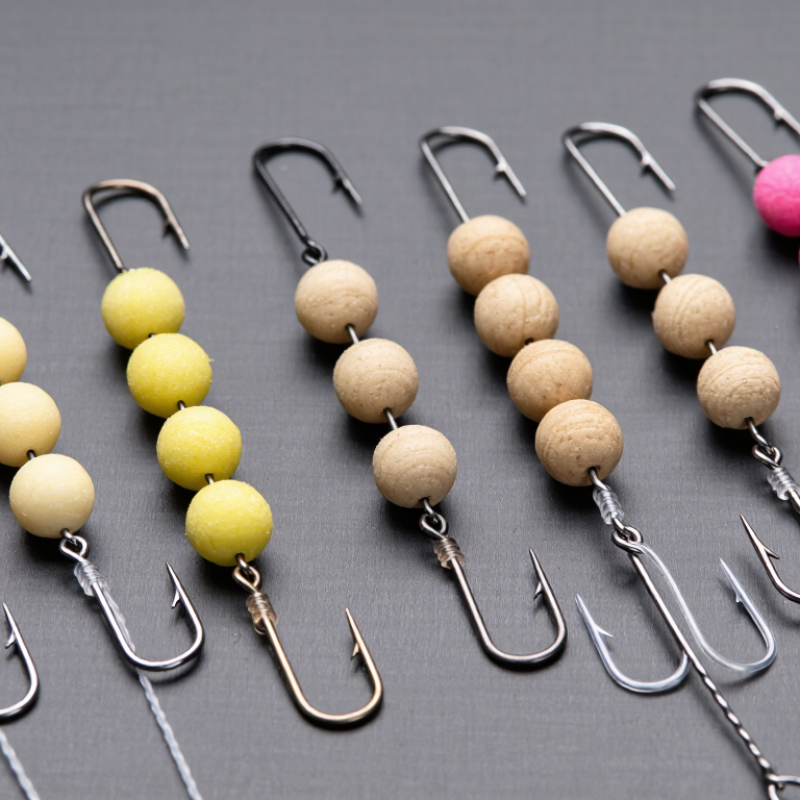
A bait bayonet rig uses a short, pointed metal spike attached to the hair beside the hook. The angler pushes a soft hookbait onto the spike, rather than threading it with a baiting needle. Some bayonets have small barbs or a textured surface to help hold the bait in place. No needle is needed. The hookbait sits close to the hook, while the hair helps keep the hook point clear.

When a carp sucks in the bait, the hook can follow and turn as the fish moves away. The rig does not guarantee a hook-up; bait size, hook shape, and presentation all matter. Bayonets often suit wafters and softer boilies, but very hard or oversized baits may not grip securely. Check it underwater. Make sure the bait hangs naturally and does not cover the hook point. A neat setup can still behave badly if the bait spins or masks the hook. I would test the finished rig in a bucket or near the bank, then adjust the bait position if it looks awkward. Small details matter here.

7 Best Bait Bayonet Rigs for Carp Fishing: Typical Hookbait Sizes

A bait bayonet is a short spike attached to the hair or rig. Push a firm hookbait onto the spike and secure it with a bait stop.

The bars show common, approximate hookbait diameter ranges in millimeters, not fixed rules. Choose a bayonet that suits the bait’s size and firmness; very soft pellets may split when pierced.

Essential Components and Bait Choices for Bayonet Rigs

7 Best Bait Bayonet Rigs for Carp Fishing?

Essential Components and Bait Choices for Bayonet Rigs

A bayonet rig holds a hookbait on a short metal spike, leaving the hook point exposed. Its basic parts are a suitable hook, hooklink, bait screw or bayonet, and a hookbait firm enough to stay attached. Match the spike length to the bait; too much exposed metal can make mounting awkward. A compact boilie is a straightforward choice, while a firm dumbbell hookbait can sit neatly beside the hook. The USFWS 2022 National Survey of Fishing, Hunting, and Wildlife-Associated Recreation estimates that nearly 40 million Americans fished in freshwater. That figure shows the activity’s reach, not that one rig suits every carp or water.

Bait choice should reflect the lakebed and the fish’s feeding pattern. On soft silt, a balanced hookbait may settle more gently than a dense one, though results vary. Test the presentation near the bank before casting. Check that the bait stays secure and the hook point remains clear. Small details matter. There is no universal “best” combination; even a tidy rig can perform poorly when bait size or presentation clashes with local conditions.

Tips: Use a firm hookbait that will not split when pushed onto the bayonet. Keep the hooklink free of tangles, and inspect the hook point before each cast. If bites are scarce, change one factor at a time—bait size, colour, or balance—so you can judge what actually helped.

Seven Bayonet Rig Setups for Different Carp Fishing Conditions

A bayonet rig can hold a hookbait securely, but its best arrangement depends on the lakebed, weed, and fish behaviour. Setup one suits firm, clean ground: use a short coated-braid hooklink, strip a small section near the hook, and mount a bottom bait. Setup two is for soft silt. A supple, slightly longer link lets a light wafter settle without pulling the hookbait deeply into the bottom. Check the bait’s balance in the margins first.

Setup three works over gravel, where a semi-stiff boom helps keep the hooklink extended after casting. It can look awkward on uneven ground, so inspect how it lands. Setup four targets sparse weed: use a buoyant pop-up and a supple link, then test that the hook point stays clear. Setup five is suited to a compact PVA bag. A short hooklink and small, balanced bait reduce tangles. Keep the hookbait proportionate to the bag contents.

Setup six is for clear water and wary carp. Try a longer, fine hooklink with a modest wafter, but avoid weakening tackle beyond what the venue requires. Setup seven suits a gentle tow or moving water: choose a heavier, stable hookbait and a supple link that can settle naturally. I still find this one easy to overdo. Before fishing, wet each rig and check bait balance, hook movement, and presentation beside the bank.

7 Best Bait Bayonet Rigs for Carp Fishing? — Seven Bayonet Rig Setups for Different Carp Fishing Conditions
Rig setup Hookbait and bayonet placement Typical hooklink arrangement Best-suited conditions Tuning and checks
1. Supple-braid wafter rig A small wafter mounted on a bayonet attached to the end of a short hair. Supple braided hooklink tied knotless-knot style, with the hair leaving the shank near the bend. Clean gravel or firm lakebed where carp are feeding close to the bottom. Check that the hookbait settles lightly and the hook remains on the lakebed. Adjust the bait size or buoyancy if it lifts the hook.
2. Blowback-style wafter rig A wafter mounted on a bayonet connected to a small ring or swivel running on the hook shank. Supple braid or coated braid with a short, stripped section near the hook. Firm bottoms and pressured waters where carp may pick up and eject hookbaits cautiously. Make sure the ring can move freely and the hookbait is not so buoyant that it pulls the hook out of position.
3. D-rig with a balanced hookbait A wafter or small pop-up secured to a bayonet on a ring that travels along the hook’s D-shaped loop. Stiff or semi-stiff hooklink material formed into a D on the back of the hook. Clear, firm ground when a more controlled hookbait attachment is desirable. Keep the D neat and unobstructed. Test the rig in the margin to confirm the hookbait moves freely without masking the hook point.
4. Low pop-up on a stiff boom A small pop-up mounted on a bayonet attached to a ring or swivel near the hook. Stiff monofilament or fluorocarbon boom with a supple section close to the hook. Light debris or soft silt where a hookbait held just above the bottom may be easier for carp to find. Use only enough buoyancy to lift the hookbait to the intended height. Check that the hook can still turn and settle correctly.
5. Hinged stiff-rig pop-up A buoyant hookbait mounted on a bayonet at the hook end of the rig. A stiff boom connected to a short, articulated hook section, allowing the hookbait section to move independently. Weedy or uneven areas where a pop-up presentation can help keep the hookbait visible above low vegetation. Set the pop-up height to suit the weed and avoid fishing over dense growth that could conceal the hooklink or prevent effective hooking.
6. Compact PVA-bag rig A small wafter or balanced hookbait mounted on a bayonet, kept close to the hook for a compact presentation. Short supple hooklink, positioned neatly inside a solid PVA bag with compatible free bait. Small, accurate presentations on clean or lightly silty ground, especially when a concentrated patch of feed is useful. Ensure the bag dissolves fully in the water temperature and that the hook point is protected from the bag contents during the cast.
7. Chod-style pop-up rig A buoyant hookbait mounted on a bayonet attached to a small ring on the hook. Short stiff hook section that can travel on a suitable leader or leadcore system, assembled in accordance with local rules. Soft silt or areas with scattered debris where a pop-up presentation is useful and a conventional bottom bait may settle poorly. Use a pop-up with enough buoyancy to support the hook section, but keep the presentation compact. Check that the rig can travel and release safely as intended.

How to Choose and Tie the Right Bayonet Rig

Choosing a bayonet rig starts with the bait, not the hook. A short screw suits compact wafters or pop-ups that grip securely; larger baits may need a longer spike. Match hook size and pattern to the bait and the carp you expect, while keeping the hook point clear. There is no single best setup. Weed, silt, and fishing pressure can all change how a rig performs.

To tie one, thread a suitable hooklink through the hook eye and form a small hair loop. Secure the bait screw to the loop, then wrap the hooklink neatly down the shank for a knotless knot. Pass the line back through the eye from the hook point side. Keep the wraps even, but do not crowd the eye. A coated braid can help the rig resist tangles; softer braid may move more freely over clean bottoms.

Push the bait onto the screw with steady pressure, then check that it sits firmly and leaves the point exposed. Test the rig in a bowl or margin before casting. Does the hook turn when lightly drawn across your palm? Use care, and never drag a sharp hook across skin. Small details matter. A tidy rig can still land awkwardly, so adjust the hair length if the bait masks the hook or swings too far from it.

How to Test and Maintain Bayonet Rigs on the Bank

On the bank, test each bayonet rig before casting. Fit the hookbait firmly onto the spike, leaving the hook point fully exposed. Give the bait a gentle tug; it should stay put without splitting. Check that the hooklink lies straight and the knot feels secure. A bait can look perfectly fitted in your hand but turn awkwardly in the water. Lower it into a clear margin and watch how it settles. Does the hook point remain clear? Does the bait sit naturally? Small details matter.

Inspect the hook point with a light touch against your thumbnail; it should catch, not slide. Do not press hard. Check the hooklink for rough patches, kinks, or damage, and retie if anything looks doubtful. Rinse grit from the bayonet and dry the rig before storing it, especially after fishing in muddy water. Keep spare rigs protected so their points do not rub against loose tackle. This check is easy to rush. I’d rather spend another minute testing than discover a loose bait after the cast. Even then, conditions change, so recheck the rig after landing a fish or snagging bottom.