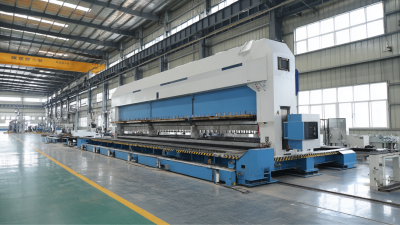
Enhanced Precision and Control in Sheet Metal Fabrication
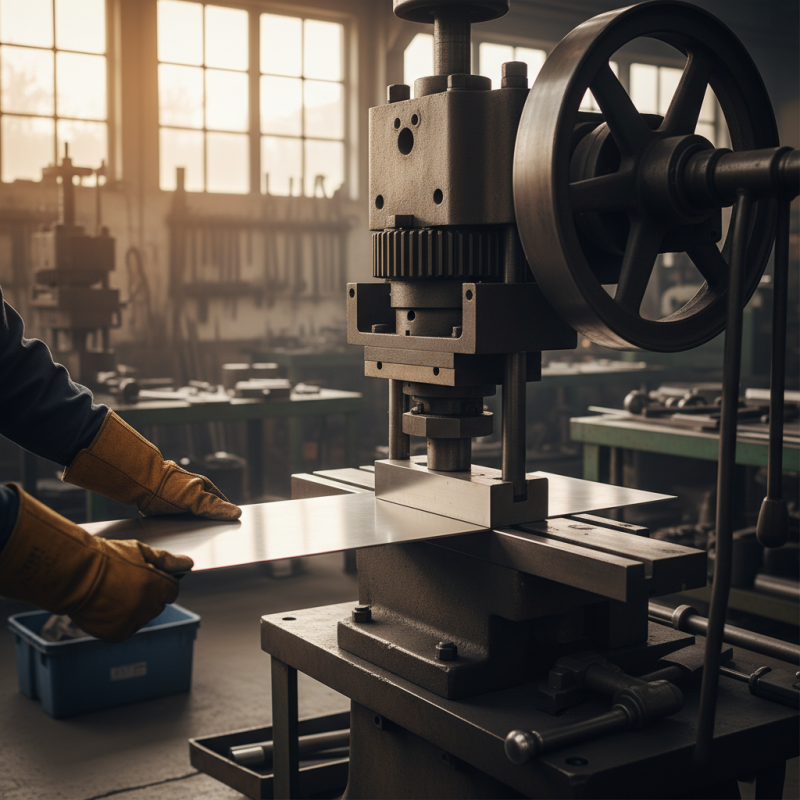
Manual press brakes are essential in sheet metal fabrication. They offer unparalleled precision and control, crucial for complex designs. According to a recent industry report, 78% of fabricators prefer manual press brakes for high-accuracy tasks due to their ability to minimize human error. Fine-tuning adjustments can be made quickly, allowing operators to achieve precise bends within a tolerance of just ±0.01 mm.
The tactile feedback of manual press brakes enhances the operator's control over the metal forming process. Operators can dictate the force applied, ensuring even pressure across the sheet. This is particularly vital when working with thin metals, where excessive force can lead to warping. In fact, studies show that control over applied pressure is a major factor in maintaining the integrity of thin gauge materials. However, achieving that level of control requires experience and skill, which can vary widely among operators.
While manual press brakes excel in precision, they can also be labor-intensive. Operators need to monitor every step closely, which can be exhausting over extended periods. Productivity might suffer if fatigue sets in. Balancing the need for precision with operational efficiency poses challenges. Yet, with practice, many operators find that the benefits of manual control outweigh these drawbacks. Continuous training and adaptation are essential for maximizing the advantages manual press brakes offer in the evolving landscape of metal fabrication.
Reduced Capital Expenditure Compared to CNC Alternatives
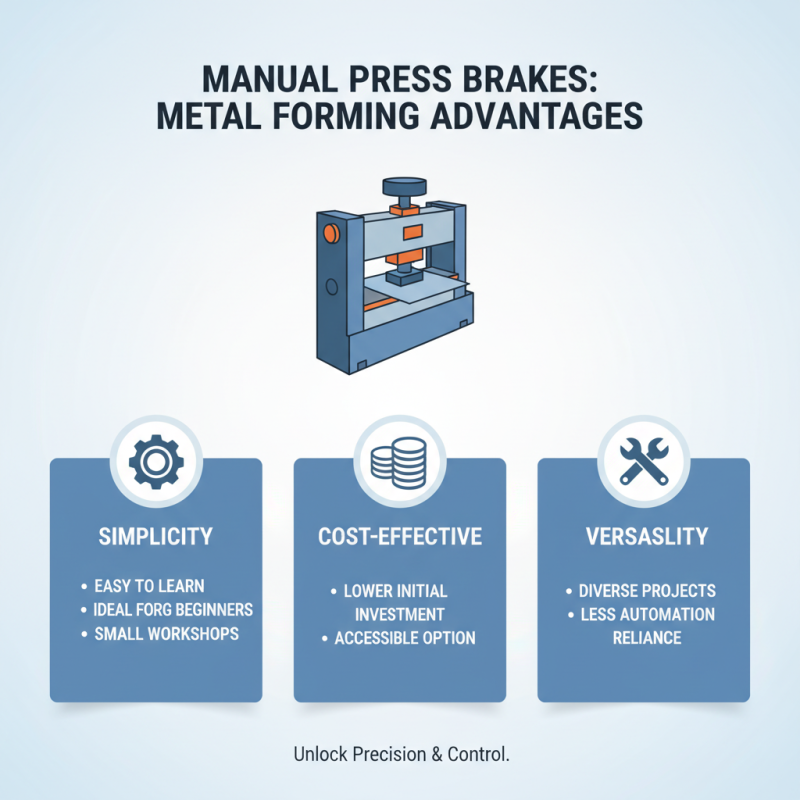
Manual press brakes offer a compelling advantage: lower capital expenditure compared to CNC alternatives. A recent industry report indicates that the initial investment for manual press brakes can be up to 50% less than CNC machines. Many small and medium-sized workshops find this more feasible. This type of equipment requires simpler mechanical systems. As a result, maintenance costs can also be lower over time.
However, manual press brakes come with a learning curve. Skilled operators are essential for achieving high precision. It can take time to train staff effectively. Additionally, production speed may not match CNC capabilities. Some projects may take longer due to the manual operation. Yet, this slower pace can result in more careful craftsmanship, which is a valuable trade-off.
Tips: Consider your production volume. If demand fluctuates, manual presses might be more sustainable. Evaluate your team's skills before investing. Communication is key to maximizing productivity. A capable operator can enhance the machine's output significantly. Remember, each method has its pros and cons. Balance your choices based on actual needs and future projections.
Top 5 Benefits of Using Manual Press Brakes for Metal Forming
Lower Maintenance Costs and Simplified Repair Procedures
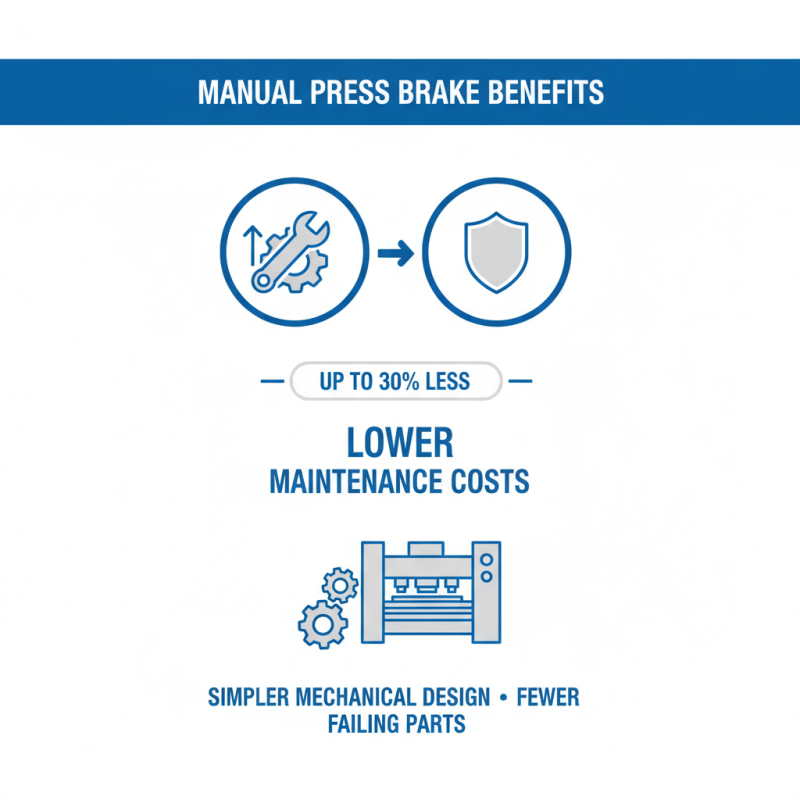
Manual press brakes offer distinct advantages in metal forming. A key benefit is their lower maintenance costs. According to industry reports, maintenance expenses can be reduced by up to 30% with manual models compared to automatic systems. This is partly due to their simpler mechanical design, which typically means fewer parts that can fail.
Repairs for manual press brakes are also generally easier. When a component breaks, it can often be repaired quickly without specialized tools. For example, replacing a hydraulic system might take an entire day for an automated press. In contrast, a manual press can often be up and running again in just a few hours. This efficiency is crucial for businesses aiming to minimize downtime.
However, there are challenges too. Manual press brakes require skilled operators. Their effectiveness depends on human precision. If operators lack experience, the risk of mistakes increases. Such errors can lead to wasted materials and time. Thus, while the maintenance and repair advantages are clear, the need for trained staff may raise operational costs. Balancing these factors is essential for achieving optimal production efficiency.
Flexibility in Customization for Diverse Metal Forming Projects
When working on diverse metal forming projects, the flexibility offered by manual press brakes is invaluable. They allow the user to adjust settings for various materials and thicknesses easily. This customization capability is essential, especially when dealing with unique designs or specific customer requirements. Each project can demand a different approach, and manual press brakes adapt seamlessly to such needs.
Tips: Always assess the material before beginning. Different metals require different handling. Consider doing a test bend to confirm settings are correct. Pay attention to your design template. A small error can lead to larger issues later on.
Using manual press brakes involves a learning curve. It may take time to perfect your technique. Experimentation is part of the process. Sometimes, adjustments lead to unexpected results, which can be frustrating. However, these moments often provide valuable insights and improve your skills. The key is to remain patient and embrace trial and error in your metal forming projects.
Top 5 Benefits of Using Manual Press Brakes for Metal Forming
| Benefit |
Description |
Application |
| Flexibility |
Allows customization for various forms and designs. |
Custom metal parts for unique projects. |
| Cost-Effectiveness |
Lower initial investment compared to CNC machines. |
Small to medium-sized manufacturing. |
| Simplicity |
Easier to operate and maintain than automated systems. |
Prototype development and limited runs. |
| Precision |
High degree of control over the bending process. |
Detailed work for fine metal components. |
| Versatility |
Can work with a wide range of materials and thicknesses. |
Adaptable for multiple metal types. |
Conclusion
Manual press brakes offer several key advantages for metal forming that make them a valuable tool in fabrication shops. One of the main benefits is enhanced precision and control, allowing operators to achieve exact specifications when working with sheet metal. Additionally, manual press brakes require a lower capital expenditure compared to CNC alternatives, making them an economically viable option for many businesses.
Maintenance costs are also reduced, with simplified repair procedures that make it easier to keep the equipment in good condition. Furthermore, manual press brakes provide flexibility in customization, accommodating diverse metal forming projects without the rigid programming required by automated systems. Finally, using manual press brakes encourages skill development among operators, fostering workforce engagement and proficiency in metalworking techniques. Overall, these advantages highlight the practical benefits of manual press brake technology in modern metal fabrication.