Solenoid Valve Benefits for Efficient Irrigation Systems?
In modern agriculture, the efficiency of irrigation systems plays a crucial role. Solenoid valves in irrigation systems have become essential components. They allow for precise control over water flow, reducing waste and improving crop yield. Renowned irrigation expert Dr. James Carter states, “The adoption of solenoid valves can transform the way we manage water resources in farming.”
Using solenoid valves enhances automation in irrigation. Farmers can schedule watering times with great accuracy. This means crops receive the right amount of water, even in varying weather conditions. However, reliance on technology brings challenges. If a solenoid valve malfunctions, it can disrupt an entire irrigation system, causing both overwatering and plant stress.
Moreover, while these valves offer many benefits, installation and maintenance can be complicated. Understanding their operation is key. Farmers must assess both the advantages and possible drawbacks. Balancing technology with traditional methods might lead to optimal results in irrigation management. Embracing these advancements requires thoughtful consideration and ongoing adjustments to practices.
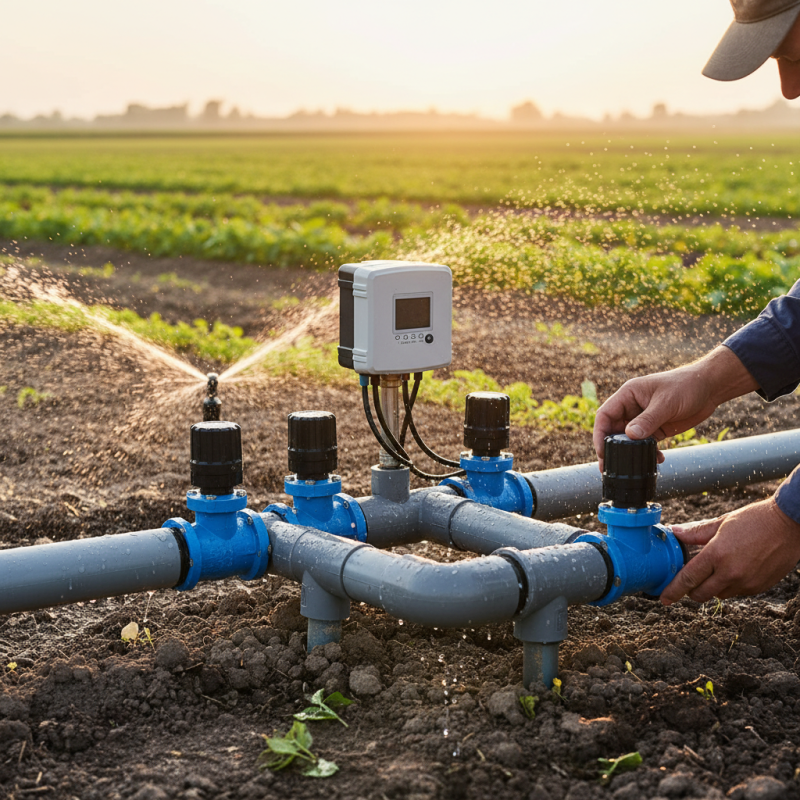
Understanding Solenoid Valves and Their Function in Irrigation Systems
Solenoid valves play a crucial role in modern irrigation systems. These devices automate water flow, contributing to efficient and precise irrigation management. Understanding their function helps optimize irrigation practices. They control the opening and closing of water flow based on electrical signals. This automation reduces water waste, which can be critical in regions facing drought.
Research indicates that implementing solenoid valves can decrease water usage by over 30%. This is significant for farms relying on sustainable practices. Additionally, these valves respond quickly to signals, allowing for timely irrigation adjustments. Their reliability can improve crop yields by ensuring plants receive adequate water. However, maintenance is often overlooked. Regular checks help avoid operational failures, which could lead to expensive irrigation issues.
Tips: Invest in quality solenoid valves to ensure durability. Monitor their performance regularly and be ready for repairs. Not addressing leaks or malfunctions can lead to inefficient irrigation. Understanding their operation is key to maximizing efficiency. Neglecting this aspect may waste water and resources unnecessarily.
Key Advantages of Using Solenoid Valves in Efficient Water Management
Solenoid valves are increasingly recognized for their role in efficient water management systems. These devices control the flow of water with precision. Recent studies indicate that using solenoid valves can reduce water wastage by up to 30%. This efficiency is crucial in areas facing water scarcity.
A report from the Irrigation Association states that 50% of irrigation water is lost due to inefficient systems. Solenoid valves help mitigate this issue by allowing for timely water distribution. They can be programmed to operate automatically based on soil moisture levels. This ensures that water is delivered only when necessary. However, the initial installation costs may deter some users.
Moreover, solenoid valves can enhance system reliability. They are built to withstand various environmental conditions. Still, maintenance is essential for optimal performance. Regular inspections can prevent common issues, such as clogging and malfunction. Users must be aware that even the best systems require care.
Solenoid Valve Benefits for Efficient Irrigation Systems
| Advantage | Description | Impact on Water Management |
| Automated Operation | Allows for remote control and scheduling of irrigation. | Increases efficiency and reduces labor costs. |
| Precision Control | Enables accurate timing and flow rate adjustments. | Optimizes water use and minimizes waste. |
| Durability | Designed to withstand harsh environmental conditions. | Reduces maintenance costs and downtime. |
| Energy Efficiency | Low power consumption compared to traditional valves. | Lowers energy costs associated with irrigation systems. |
| Versatility | Suitable for various irrigation applications. | Enhances adaptability in different water management scenarios. |
How Solenoid Valves Contribute to Automated Irrigation Solutions
Automated irrigation systems are becoming increasingly popular. Solenoid valves play a crucial role in making these systems efficient. They control the flow of water with precision, reducing waste and ensuring consistent delivery. When sensors detect soil moisture levels, solenoid valves respond immediately. This leads to healthier plants and less water usage.
These valves also simplify irrigation management. They can be integrated into smart systems and controlled remotely. Users can program schedules and adjust settings as needed. However, there are challenges. Installation can be complex for some users. Regular maintenance is essential to keep them functioning well. Neglecting upkeep may lead to costly issues.
In addition to efficiency, solenoid valves contribute to sustainability. By minimizing overwatering, they help conserve water resources. This is crucial in areas facing drought. Nonetheless, reliance on automation can lead to complacency. Users should remain engaged in monitoring and adjusting irrigation practices. A balance between technology and hands-on management is vital for success.
Maintenance Practices for Maximizing Solenoid Valve Longevity
Maintaining solenoid valves is crucial for their longevity and efficiency. Regular inspections will help identify any issues before they become serious. Check for leaks and signs of wear. A small leak can waste water and money.
Tip: Clean the solenoid and surrounding areas regularly. Dust and debris can cause operational problems. Use a soft cloth and gentle cleaning solutions. Avoid harsh chemicals that could damage the valve.
Another essential practice is to monitor the voltage supplied to the solenoid. Incorrect voltage can lead to overheating. If the valve is too hot to touch, it may signal a bigger issue.
Tip: Implement a routine schedule for maintenance checks. Short, frequent checks can yield better results than infrequent deep dives. Document your findings to track patterns over time.
By paying attention to these maintenance practices, you can avoid costly replacements. Reflect on your current routine. Is it working?
Comparative Analysis of Solenoid Valves and Traditional Valve Systems
When comparing solenoid valves to traditional valve systems, several clear advantages stand out. Solenoid valves are known for their rapid response time, typically operating within milliseconds. Traditional valves often require manual operation, which can slow down irrigation processes. Efficiency data reveals that automated systems can increase water usage efficiency by 30% when solenoid valves are employed.
Moreover, solenoid valves offer precise control over water flow. Research shows that farmers using solenoid valves experience improved crop yields by 15-20%. This specificity reduces water waste and supports sustainable practices. Traditional systems, while reliable, may lead to overwatering, affecting soil health and leading to erosion. The upfront costs of solenoid systems can be higher. However, they often lead to long-term savings due to lower water bills and improved crop production.
One downside to consider with solenoid valves is their dependence on electrical systems. If there is a power failure, manual intervention is needed. Moreover, proper maintenance is crucial. Neglecting this can lead to malfunction. Users must also be aware of the potential for solenoid valves to create backpressure, which might cause issues if not managed. This necessitates careful monitoring and potential adjustments to the system.
Solenoid Valve vs Traditional Valve Systems: Irrigation Efficiency