Why Choose an Electricity Controller for Global Sourcing?
Global sourcing is no longer only about finding the lowest purchase price. It is about controlling energy safely, consistently, and efficiently across different markets. An Electricity Controller can regulate power flow, reduce avoidable consumption, and support stable equipment performance. This matters when factories use different voltages, operating schedules, and grid conditions. A well-selected controller can protect sensitive machinery during voltage changes and unexpected load peaks.
Amory Lovins, energy-efficiency expert and cofounder of Rocky Mountain Institute, said, “The cheapest energy is the energy you don’t use.” His view reflects a practical sourcing principle. Lower energy waste can reduce operating costs before a company expands production. It may also support clearer environmental reporting. However, the controller itself is not a magic solution. Poor specifications, weak after-sales service, or unsuitable installation can create new costs.
A reliable global sourcing decision should examine technical documents, certification records, warranty terms, and supplier experience. Buyers should confirm input voltage, output capacity, response time, enclosure protection, and communication functions. IEC-based testing may provide useful evidence, but certificates still require careful verification. Factory audits can reveal details that brochures omit, such as loose terminals or inconsistent labeling. Small details matter.
The strongest choice balances performance, safety, maintenance, and total ownership cost. Price alone can mislead. A cheaper unit may require frequent replacement or manual monitoring. That risk deserves attention. Companies should also involve local electricians and compliance teams before deployment. Their feedback can expose regional installation problems early. Global sourcing becomes more dependable when technical evidence supports every purchasing decision.
What Is an Electricity Controller in Global Sourcing?
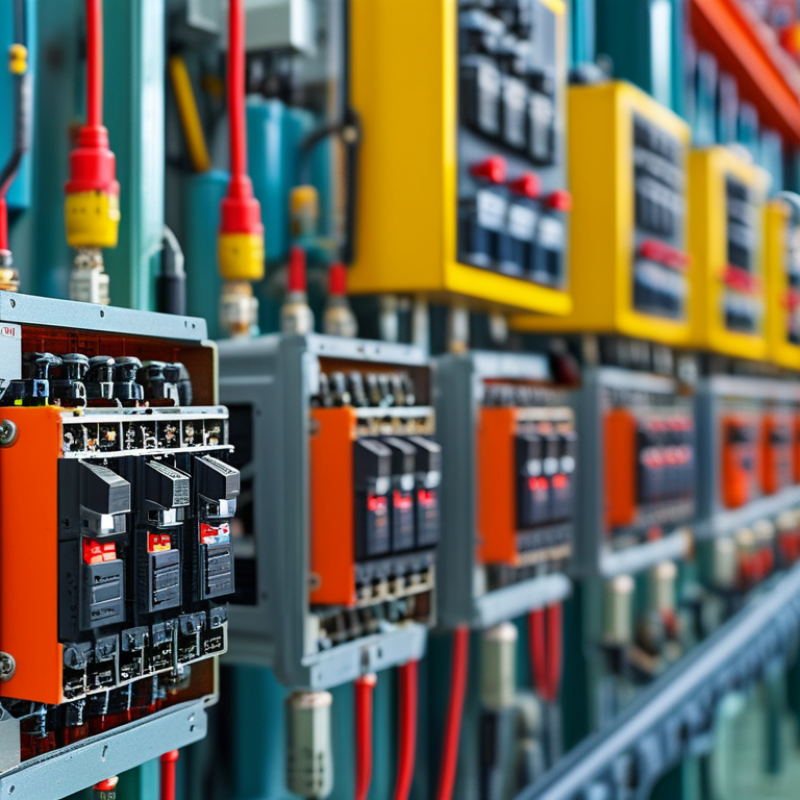
An electricity controller in global sourcing is a device or control system that manages electrical power within equipment. It regulates voltage, current, timing, and load distribution. In practical terms, it may control a motor, heating element, battery charger, or automated production unit. A sourcing team checks whether the controller matches the product’s electrical design and operating environment.
The controller also supports safer and more consistent operation. It can detect overloads, unstable input, overheating, or sudden power changes. During supplier evaluation, engineers often review wiring diagrams, rated capacity, response time, protection functions, and inspection records. They may also request samples for testing under different voltage and frequency conditions. A unit designed for one market may not perform reliably elsewhere.
Details matter here.
I have seen specifications that looked complete but omitted standby consumption or surge limits. That small gap created delays during testing. It also showed why technical documents should not be accepted without questions. Reliable global sourcing requires traceable component information, clear quality procedures, and evidence from independent testing where appropriate. Certification marks can help, but they should support verification rather than replace it. An electricity controller is not automatically suitable because it powers on successfully. Its long-term stability, repair access, software settings, and compatibility with local electrical systems deserve careful review. Some suppliers provide excellent samples but inconsistent production batches, so ongoing inspections remain necessary.
How Electricity Controllers Support International Procurement
Global sourcing is no longer only about unit price. Electrical performance, documentation, and operating stability now influence procurement decisions. According to the International Energy Agency’s Electricity 2024 report, global electricity demand is expected to grow by an average of 3.2% annually from 2024 to 2026. This growth increases pressure on buyers to source equipment that manages power accurately across different markets.
Electricity controllers support international procurement by standardizing control requirements before production begins. They can regulate voltage, current, temperature, timing, and load conditions. A procurement team can then compare suppliers using measurable specifications instead of vague promises. During supplier inspections, stored operating data can reveal unstable output or repeated overloads. That evidence supports technical acceptance and reduces disputes. Small details matter. Frequency settings matter. So does calibration.
International shipping adds another layer of risk. UN Trade and Development’s Review of Maritime Transport 2023 reports that maritime transport carries over 80% of global merchandise trade by volume. Controllers with clear wiring diagrams, test records, and multilingual instructions can simplify installation after long-distance delivery. They also help maintenance teams identify faults without opening the entire system. However, controllers are not magic. Poor sensor placement, unclear responsibility, or incompatible local standards can still cause failures. I have found that procurement documents often describe functions well, but overlook real operating environments. That gap deserves scrutiny.
Which Features Matter When Selecting a Global Supplier?
Why Choose an Electricity Controller for Global Sourcing?
Which Features Matter When Selecting a Global Supplier?
A dependable electricity controller should match the destination market’s voltage, frequency, and load requirements. During supplier audits, I check test records, wiring diagrams, and component traceability. Clear documents reduce mistakes during installation. Ask for samples before approving large orders. Test it early.
Protection features deserve close attention. Look for overload, short-circuit, over-temperature, and surge protection. An enclosure’s ingress rating matters in dusty workshops or humid warehouses. Electromagnetic compatibility testing also supports stable operation near motors and communication equipment. Small design gaps can create expensive field failures.
A global supplier needs more than competitive pricing. Confirm production capacity, inspection procedures, spare-part access, and realistic lead times. Reliable suppliers explain tolerances instead of promising perfection. I once focused too heavily on unit cost and overlooked connector availability. That delay affected installation schedules. Now, I compare total sourcing risk, including packaging strength, export documentation, warranty handling, and support response time. Regional compliance files should be current and easy to verify. Independent laboratory reports add confidence, but buyers should still review the test conditions carefully. A supplier’s technical team should answer practical questions without vague claims. That conversation often reveals whether the product is ready for real environments.
What Risks Should Buyers Manage in Cross-Border Sourcing?
Why Choose an Electricity Controller for Global Sourcing?
What Risks Should Buyers Manage in Cross-Border Sourcing?
Cross-border sourcing can turn a reliable electricity controller into a costly liability. Buyers face voltage mismatches, unclear specifications, counterfeit components, and delayed technical support. A controller may pass a factory test yet fail after installation abroad. That gap matters. Field experience shows that suppliers sometimes treat local conditions as universal.
Before ordering, buyers should verify input voltage, frequency, load capacity, enclosure rating, wiring diagrams, and operating temperature. They should request traceable test records and confirm that documents match the shipped unit. Independent inspection can reveal loose terminals, substituted parts, or poor labeling before customs clearance. Do not trust polished photographs. Samples deserve real-world testing, not only a short power-on demonstration. Certification evidence should also match destination-market requirements, rather than serve as a universal passport.
Cross-border risk includes payment terms, export packaging, insurance, and after-sales response times. A low unit price can hide expensive spare parts, rework, or downtime. Buyers should define acceptance criteria, inspection points, delivery responsibilities, and remedies in writing. Keep records. No checklist is perfect. Forecasts can fail, ports can become congested, and suppliers may overpromise capacity. A dual-source plan may reduce exposure, although it adds qualification work and management cost. Even careful teams miss something; documented checks make that mistake easier to find.