What Is the Aeration Process in Wastewater Treatment?
The Aeration Process In Wastewater Treatment is crucial. It enhances the breakdown of organic matter. By introducing air into the system, microorganisms thrive and decompose pollutants. This results in purer water.
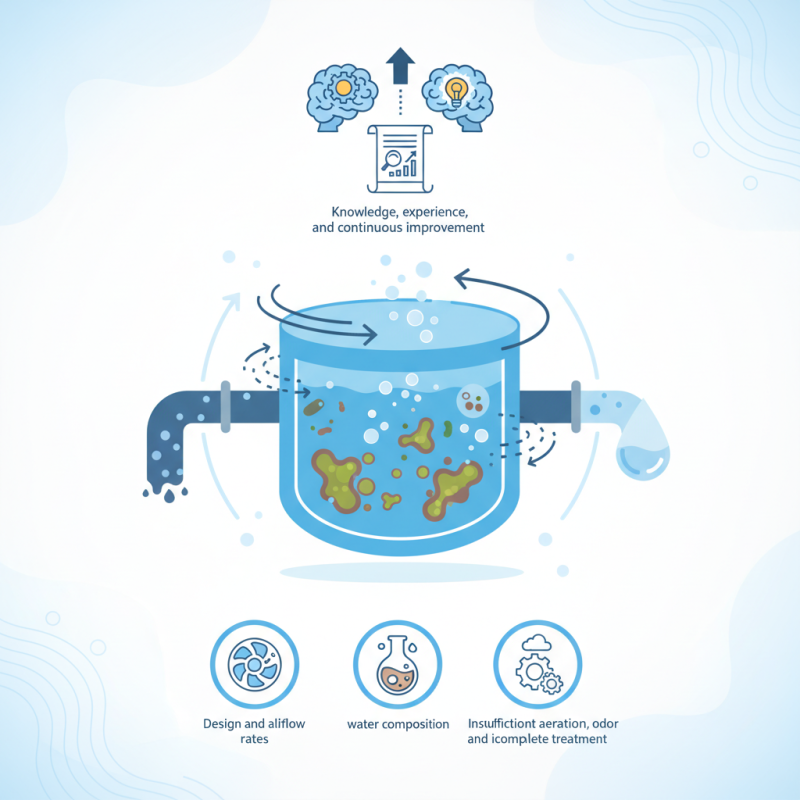
Many wastewater treatment facilities rely on this method. The effectiveness of aeration varies. Factors such as design, airflow rates, and water composition play a role. Sometimes, unexpected challenges arise. For instance, insufficient aeration can lead to odor issues or incomplete treatment.
Understanding the intricacies of the aeration process in wastewater treatment requires expertise. Practitioners must address potential pitfalls and continuously improve operations. Knowledge and experience shape successful outcomes in this field. Emphasizing ongoing learning is essential.
Understanding the Aeration Process in Wastewater Treatment
Aeration is crucial in wastewater treatment. It involves adding air to the wastewater, promoting the growth of beneficial microorganisms. These microorganisms break down organic matter. This process helps reduce pollutants before the water is released back into the environment.
During aeration, the wastewater is often agitated to increase oxygen transfer. This can be done using various methods like surface aerators or diffused aeration systems. Effective aeration ensures that microorganisms receive the oxygen they need to thrive. It's important to monitor the levels of dissolved oxygen regularly. Too little oxygen can hinder treatment, while too much may be wasteful.
Tips: Regular maintenance of aeration equipment protects its efficiency. Ensure that aeration tanks are free of blockages. Additionally, consider the energy consumption of your aeration system. Sometimes, reducing the air supply can enhance treatment efficiency.
Despite its effectiveness, the aeration process isn't without challenges. Maintaining optimal levels can be complex. Factors like temperature and wastewater composition can affect aeration quality. Reflection on these variables can lead to better practices in wastewater management.
The Importance of Aeration in Wastewater Management
Aeration plays a critical role in wastewater treatment. It enhances the biological processes that break down organic materials. According to the Environmental Protection Agency (EPA), effective aeration can increase the removal efficiency of biodegradable pollutants by up to 90%. This is vital for protecting water resources and maintaining ecosystem balance.
In addition, proper aeration helps control odors and reduce harmful gases, such as methane. A study published in the Water Environment Research journal found that well-aerated systems could decrease toxic hydrogen sulfide levels significantly. This is essential for safeguarding public health and improving the overall quality of treated water.
However, aeration systems are not without challenges. They require constant monitoring and maintenance to function effectively. Inefficiencies can lead to increased operational costs, which can hinder wastewater treatment facilities. Regular assessments of aeration efficiency are crucial. Facilities need to balance energy consumption with effective treatment to create a sustainable wastewater management solution.
Types of Aeration Methods Used in Treatment Systems
Aeration plays a crucial role in wastewater treatment. It enhances the oxygen transfer, promoting the activity of bacteria that break down organic pollutants. Different methods of aeration are employed, each with its unique advantages and challenges.
One common method is surface aeration. This technique relies on the movement of water, exposing it to air. While it is simple and cost-effective, it often emits odors and requires regular maintenance.
Another method is diffused aeration, where air is introduced through submerged diffusers. This process allows for more efficient oxygen transfer, but it requires more energy and initial investment.
Mechanical aeration is another popular choice. It utilizes mechanical devices to agitate the water, increasing oxygen absorption. However, it can be noisy and may affect the surrounding environment.
Each aeration method presents trade-offs. Understanding these nuances helps in selecting the right approach for specific wastewater treatment needs.
The Biological Mechanisms Behind Aeration in Wastewater
Aeration is a crucial step in wastewater treatment that promotes the growth of microorganisms. These tiny organisms thrive in oxygen-rich environments, breaking down organic pollutants. By introducing air, we create a habitat for bacteria that consume waste. This biological mechanism is vital in reducing harmful substances in water.
During aeration, the mixing of air and water enhances this microbial activity. Aerobic bacteria flourish, metabolizing waste products. This process generates carbon dioxide and biomass, essential for treating sewage effectively. However, not all pathogens are eliminated, suggesting the need for additional treatment stages. The reliance on these microorganisms raises questions about their efficiency in various conditions.
Another aspect to consider is the energy consumption of aeration systems. While they improve water quality, they can also drive up operational costs. Finding a balance between effective treatment and energy efficiency remains a challenge. Ongoing research aims to optimize aeration techniques, seeking to enhance performance without excessive energy use. Understanding these dynamics is essential for advancing wastewater management practices.
Monitoring and Optimizing Aeration Efficiency in Treatment Plants
Aeration is a crucial step in wastewater treatment. It enhances the removal of pollutants by introducing oxygen into the solution. This helps aerobic microorganisms thrive and break down organic matter. However, optimizing aeration efficiency poses significant challenges for treatment plants.
Monitoring aeration efficiency should involve continuous data collection. Studies show that approximately 30% of energy used in wastewater treatment goes to aeration. Implementing real-time monitoring systems can help track oxygen levels. This allows operators to adjust aerators, reducing energy costs and maintaining treatment quality. Inefficiencies can lead to increased energy use and higher operational costs.
While advancements in aeration technology exist, many plants still struggle with optimal performance. For example, a report by the Water Environment Federation revealed that more than 50% of municipal plants don’t optimize aeration based on real-time data. This points to a need for better training and technology adoption. Regular audits can reveal inefficiencies and guide necessary upgrades, ensuring treatment plants operate effectively.
What Is the Aeration Process in Wastewater Treatment? - Monitoring and Optimizing Aeration Efficiency in Treatment Plants
| Parameter | Typical Value | Measurement Unit |
| Dissolved Oxygen (DO) | 2 - 8 | mg/L |
| Aeration Rate | 3 - 3.5 | m³/m²·h |
| Mixed Liquor Suspended Solids (MLSS) | 2000 - 4000 | mg/L |
| Aeration Tank Depth | 3 - 6 | meters |
| Energy Consumption | 0.5 - 1.5 | kWh/m³ |
| Nitrification Rate | 80 - 90 | % |