2026 Best Stainless Steel Mixing Tank for Global Buyers?
In the rapidly evolving landscape of manufacturing, the demand for high-quality stainless steel mixing tanks continues to grow. According to the Market Research Future report, the global stainless steel tank market is projected to reach $5.8 billion by 2026, driven by industries like food and beverage, pharmaceuticals, and chemicals. The versatility of stainless steel mixing tanks ensures they meet diverse needs, from durability to hygiene.
Industry leaders recognize that stainless steel mixing tanks enhance production efficiency. They resist corrosion, ensuring longevity, which reduces replacement costs. Moreover, their easy-to-clean surfaces support compliance with health regulations. This is critical in sectors where product integrity is paramount. As buyers, understanding these features is essential when investing in mixing tanks.
However, not all stainless steel mixing tanks are created equal. Buyers must evaluate quality and specifications. Investing in subpar equipment can lead to operational inefficiencies and safety risks. Different applications require tailored solutions, prompting a need for careful research and expert consultations. Ultimately, a well-informed choice can significantly influence production outcomes in any industry relying on stainless steel mixing tanks.
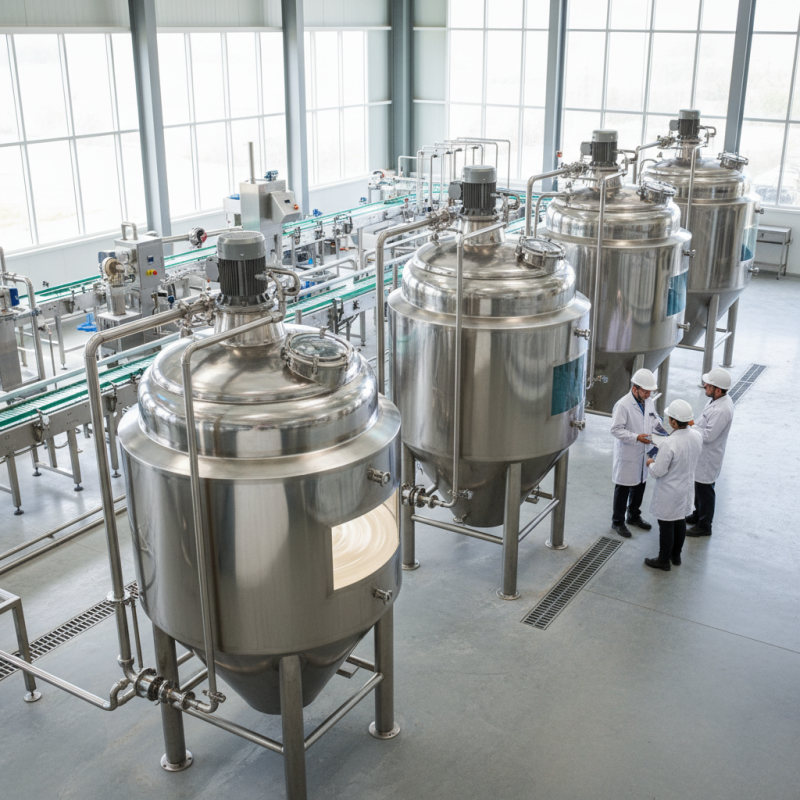
Overview of Stainless Steel Mixing Tanks and Their Applications
Stainless steel mixing tanks play a crucial role in various industries, including food processing, pharmaceuticals, and chemicals. They provide durability, resistance to corrosion, and ease of cleaning. A well-designed mixing tank facilitates effective blending, ensuring product consistency and quality. The right tank can significantly improve production efficiency and reduce waste.
When selecting a mixing tank, buyers must consider some key features. Capacity is essential; too small a tank may lead to overflow, while an oversized tank can waste space. People often overlook the importance of the tank's interior surface finish. Smooth surfaces reduce friction and enhance cleaning. Always assess the tank's design, ensuring it supports your specific application needs.
Tips: Pay attention to the type of mixing technology. Some processes require gentle mixing, while others need vigorous action. Understanding the specific mixing needs is vital. Don't rush the selection process. It’s critical to evaluate all options carefully. Mistakes here can lead to costly inefficiencies later. Remember, investing time in research can result in better long-term performance.
Key Features to Consider When Choosing a Mixing Tank
When selecting a stainless steel mixing tank, several key features should be prioritized. First, the tank's mixing efficiency is paramount. A high-efficiency mixer can reduce blending time by up to 30%, according to industry reports. This is particularly important in food and beverage sectors, where consistent homogeneity is crucial. Additionally, consider the tank's size and capacity. Ensure it aligns with your production needs without wasting space or resources.
Material quality is another essential factor. Stainless steel offers durability and resistance to corrosion, making it ideal for long-term use. The American Society for Testing and Materials (ASTM) specifies various grades of stainless steel, each suited for different applications. Using the correct grade can prolong the life of your equipment and reduce maintenance costs significantly.
Tips: Always inspect the welds and joints in the tank. Poor welding can lead to leaks and contamination. Also, evaluate the cleaning process. A design that allows for easy sanitation will meet safety regulations more effectively and save time in the long run. Remember, choosing a tank is not only about current needs but future growth as well. Assessing your production scale and potential advancements is crucial for long-term efficiency and profitability.
2026 Best Stainless Steel Mixing Tank Features Comparison
Top Manufacturers of Stainless Steel Mixing Tanks in 2026
In 2026, stainless steel mixing tanks will continue to be a vital component across various industries, including food and beverage, pharmaceuticals, and cosmetics. According to a recent market study, the global stainless steel mixing tank market is projected to grow at a CAGR of 6.5% from 2022 to 2027. This growth reflects increasing demand for durable and hygienic mixing solutions.
Top manufacturers in this space are focusing on innovation. Many are investing in advanced technologies to enhance tank efficiency. Electro-polishing and precision welding are becoming standard practices. However, not all manufacturers adhere to these practices, leading to variations in tank quality. Prospective buyers must be cautious and conduct thorough research. Failure to do so could result in purchasing subpar equipment, which might lead to production inefficiencies.
Moreover, environmental factors are increasingly influencing consumer choices. As sustainability becomes a key focus, manufacturers are exploring eco-friendly materials and production methods. While these initiatives show promise, the shift can introduce complexities in design and performance. Buyers should weigh these factors carefully, as balancing sustainability with operational needs remains a significant challenge in the industry.
Comparative Analysis of Prices for Global Buyers
When examining the market for stainless steel mixing tanks in 2026, price variations are notable. Global buyers often seek balanced quality and cost. Prices can fluctuate significantly based on tank size, design, and additional features. Some basic models start around a few thousand dollars, while larger, custom designs exceed tens of thousands. This significant price disparity raises questions about what impacts these costs.
Factors such as material grade and manufacturing complexity play a crucial role in pricing. Buyers should consider the long-term benefits of investing in quality tanks. Cheaper options may save initial costs but could result in higher maintenance expenses. Reliable tanks often provide durability, offering peace of mind for manufacturers in need of consistent operations.
It's also essential to evaluate suppliers carefully. Not all manufacturers treat quality the same way. Some may offer discounts that seem attractive but can hide quality compromises. Buyers must weigh these aspects to avoid regret later. A well-thought-out purchase can prevent costly mistakes and enhance operational efficiency over time.
2026 Best Stainless Steel Mixing Tank for Global Buyers? - Comparative Analysis of Prices for Global Buyers
| Tank Capacity (Liters) | Price (USD) | Material Thickness (mm) | Features | Origin Country |
| 500 | $1,200 | 3 | Insulated, with agitator | USA |
| 1000 | $1,800 | 4 | Double wall, heating system | Germany |
| 2000 | $3,500 | 5 | High performance, mobile | Italy |
| 3000 | $5,000 | 6 | Custom design, CIP ready | China |
| 5000 | $8,000 | 8 | Fully automated, integrated | Japan |
Maintenance Tips for Maximizing the Longevity of Mixing Tanks
Maintenance is crucial for extending the lifecycle of stainless steel mixing tanks. Regular inspection can identify early signs of wear and corrosion. According to industry reports, about 30% of mixing tank failures result from poor maintenance practices. Implementing a routine inspection schedule is vital. This practice can not only detect issues but also save costs associated with unexpected downtime.
Cleaning is another essential aspect of maintenance. Using appropriate cleaning solutions prevents buildup that might compromise the tank’s integrity. Studies show that more than 25% of mixing tanks experience decreased performance due to inadequate cleaning. Adopt a cleaning regimen based on your material’s specific needs.
Don’t overlook the importance of proper storage and installation. Ensure that tanks are placed in environments that protect them from extreme weather and chemical exposure. A staggering 40% of damage cases occur due to improper placement and neglect. Regular monitoring can help maintain optimal conditions, making it easier to achieve effective mixing.