
Skip to Content
chevron-left chevron-right chevron-up chevron-right chevron-left arrow-back star phone quote checkbox-checked search wrench info shield play connection mobile coin-dollar spoon-knife ticket pushpin location gift fire feed bubbles home heart calendar price-tag credit-card clock envelop facebook instagram twitter youtube pinterest yelp google reddit linkedin envelope bbb pinterest homeadvisor angies

2026 Best Aluminum Tube Evaporator Suppliers?

Selecting a reliable Aluminum Tube Evaporator supplier takes more than comparing prices. Tube material, wall thickness, fin bonding, refrigerant compatibility, and leak-test records all affect performance. Small details matter. A neat catalog is useful, but it cannot prove how consistently a factory controls production.

The International Energy Agency’s 2018 The Future of Cooling report projected that global air-conditioner stock could grow from 1.6 billion units to 5.6 billion by 2050. It also warned that cooling demand would place growing pressure on electricity systems. These figures describe the wider cooling industry, not evaporator sales, but they show why durable, efficient components matter. Fatih Birol, the IEA’s Executive Director, said, “The world’s growing appetite for air conditioning is one of the most critical blind spots in today’s energy debate.” That is an energy-sector perspective, not a supplier endorsement.

For buyers, the practical questions are specific: Does the supplier provide traceable material certificates? Can it share pressure-test procedures, dimensional tolerances, and production samples? Are capacity and lead-time claims documented? Ask how the design performs with your operating conditions, not only in a brochure. A low quote can look convincing. It may still leave gaps in testing, consistency, or after-sales support. This guide compares suppliers using evidence where available, while recognizing that public information is uneven. That limitation deserves attention, too.
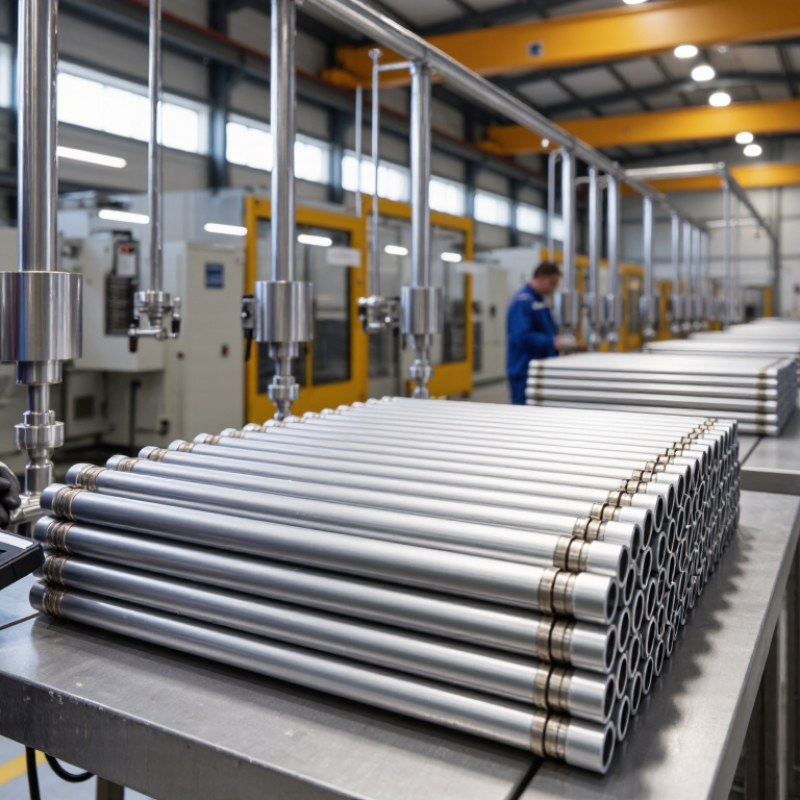
2026 Best Aluminum Tube Evaporator Suppliers?

What Is an Aluminum Tube Evaporator?

2026 Best Aluminum Tube Evaporator Suppliers?

What Is an Aluminum Tube Evaporator?

An aluminum tube evaporator is a heat exchanger that uses aluminum tubing to absorb heat from air or another fluid. Refrigerant usually flows through the tubes, while fins or surrounding surfaces increase contact with the moving air. As warm air passes over the cold assembly, heat transfers into the refrigerant. The cooled air then leaves the unit. Simple idea. Careful engineering.

Aluminum is lightweight and conducts heat well, which can help reduce component weight and support efficient heat transfer. Tube diameter, wall thickness, fin spacing, and circuit layout all affect performance. For example, tightly spaced fins may provide more surface area, but dust can collect between them and restrict airflow. Corrosion exposure, operating pressure, refrigerant compatibility, and cleaning access also matter. A specification that looks excellent on paper can still disappoint if the evaporator is difficult to maintain. That deserves attention.

Tips: Check the operating temperature range and airflow before comparing suppliers. Ask for material and pressure-test documentation, plus dimensional drawings. Match the evaporator to the actual system, not just a catalog description. If possible, review sample inspection results. Small details matter. A drain connection in the wrong place can cause trouble, even when the heat-transfer figures look strong.

What Is an Aluminum Tube Evaporator?

An aluminum tube evaporator is a heat exchanger that absorbs heat as refrigerant flows through its tubes. The chart compares approximate room-temperature thermal conductivity values for selected metals; actual values vary by alloy and condition. Conductivity is one material consideration—evaporator performance also depends on tube design, refrigerant flow, and operating conditions.

How Aluminum Tube Evaporators Are Designed and Manufactured

Design begins with the cooling load, operating temperatures, and space available inside the unit. Engineers choose tube dimensions and circuit paths to balance refrigerant flow, pressure drop, and heat transfer. Fin spacing must match airflow and likely frost conditions. Tighter fins can improve heat exchange, but frost may block them sooner. Small details matter. Drainage, fan clearance, and access for cleaning belong in the layout, too—not as afterthoughts.

Manufacturing depends on the design. Aluminum tubes may be extruded or formed, while fins are stamped to consistent dimensions. Technicians assemble the coil and join its components through controlled brazing or another qualified process. Poor alignment can restrict airflow; weak joints can cause leaks. Each unit should undergo leak testing and checks for dimensions and cleanliness. A performance test under defined conditions helps verify the intended capacity. Records linking materials, production steps, and test results make supplier claims easier to assess. Still, a test stand cannot reproduce every installation. That gap deserves attention.

What Makes a Reliable Supplier in 2026?

2026 Best Aluminum Tube Evaporator Suppliers?

What Makes a Reliable Supplier in 2026?

A reliable supplier can explain how its evaporator tubes are made and tested. Ask about alloy and temper control, tube dimensions, fin attachment, and production tolerances. These details affect heat transfer, fit, and durability. Request material records and inspection results for the specific product, not just a general quality statement. Clear documentation matters.

Check whether the supplier can test samples against your operating conditions. Discuss leak testing, pressure requirements, corrosion exposure, and thermal performance before approving a design. Agree on acceptance criteria in writing. A pilot batch can reveal fit or assembly issues that drawings may miss. No checklist catches everything. Communication during a problem matters, too.

Tips: Share your temperature range, refrigerant, airflow, and installation limits early. Ask how design changes are recorded and how production batches are traced. Compare sample results with agreed specifications, then confirm lead times and defect-handling procedures. If an answer is vague, ask for evidence. Suppliers can still make mistakes; the useful question is how they identify and correct them.

How to Compare Aluminum Tube Evaporator Suppliers

2026 Best Aluminum Tube Evaporator Suppliers? How to Compare Them

Compare suppliers using the same operating conditions, not brochure capacity alone. Ask for cooling capacity, pressure drop, refrigerant, airflow, inlet temperatures, and test conditions. Check tube alloy and temper, wall thickness, fin spacing, joint method, and corrosion protection. Request leak-test records and dimensional tolerances. These details matter when a coil must fit a tight cabinet or handle humid air. A polished sample proves little.

The International Energy Agency’s 2018 report, The Future of Cooling, projects global space-cooling energy demand rising from 2,020 TWh in 2016 to 6,200 TWh by 2050. This is not a supplier ranking, and it does not describe every refrigeration application. Still, it underlines why buyers should compare measured capacity and energy use at matching conditions. Ask suppliers to explain test methods and provide repeatable performance data. A low quote may omit the controls or testing needed for a fair comparison.

Tips: Request a sample coil drawing and a written inspection plan. Compare lead time, warranty terms, and replacement-part access. Check the fine print. One overlooked assumption can distort the whole comparison.

How to Verify Supplier Quality, Compliance, and Support

For a 2026 aluminum tube evaporator project, supplier quality should be verified with evidence, not polished claims. Request drawings, material certificates, and inspection records tied to the production batch. Compare tube diameter, wall thickness, fin spacing, and connection locations against your approved specifications. Small differences can complicate installation or affect heat transfer. Ask how leak and pressure tests are performed, and request sample reports with acceptance criteria. A pre-production sample helps reveal fit issues early. Keep the review practical.

Check that certificates are current and cover the actual factory and product scope. Confirm that test methods and compliance documents match the destination market and intended application; requirements can vary. A certificate alone may not confirm that every shipment is controlled. Ask how nonconforming parts are identified and how corrective actions are documented. Support matters, too. Request a named technical contact, expected response times, and clear procedures for drawing changes, spare parts, and warranty claims. A short trial order can test communication as well as product consistency. One detail is easy to overlook: record agreed tolerances and inspection points before production begins. Supplier documents can still leave unanswered questions, so ask for clarification while decisions are reversible.

2026 Best Aluminum Tube Evaporator Suppliers? - How to Verify Supplier Quality, Compliance, and Support

Evaluation Dimension What to Request How to Verify Positive Evidence Warning Signs
Product and application fit Written confirmation of the evaporator design, operating conditions, refrigerant, airflow or fluid requirements, installation orientation, and intended market. Compare the proposal with the project specification and ask the supplier to identify assumptions, exclusions, and design limits. Clear, project-specific technical documentation with agreed operating conditions and interfaces. A generic quotation that does not address the application or leaves key operating conditions undefined.
Aluminum material and traceability Alloy and temper designation, applicable material specification, material test documentation, and lot or batch traceability. Check that documents match the purchase specification and that the supplier can link material lots to production records. Consistent material identification, traceable records, and certificates supplied when required by the contract. Unspecified alloy or temper, inconsistent documents, or no practical way to trace production lots.
Dimensions and workmanship Controlled drawings and tolerances for tube dimensions, wall thickness, headers, connections, fins, and overall assembly. Review inspection results and sample measurements against the approved drawing and agreed acceptance criteria. Revision-controlled drawings, documented inspection methods, and measured results tied to the relevant production batch. Uncontrolled drawing revisions, missing tolerances, or reliance on visual approval alone.
Thermal performance Performance data and the test conditions used, including inlet conditions, airflow or fluid flow, pressure drop, and measurement method. Confirm that the test conditions are comparable to the intended application; request supporting reports or validated calculations. Results clearly linked to defined conditions, with assumptions and measurement limits disclosed. Performance claims without test conditions, calculation basis, or a clear explanation of applicability.
Pressure integrity and leak testing Written test procedure, acceptance criteria, test medium, test pressure, and records for the supplied product. Verify that the procedure is suitable for the design and applicable requirements, and that test records identify the product or lot. Documented, repeatable testing against contractually agreed criteria, with traceable results. Unspecified test limits, unsupported claims of “100% tested,” or no retained test records.
Corrosion and durability Information on alloy selection, surface treatment or coating where applicable, operating environment, and any durability testing. Check that the proposed materials and protection are appropriate for the expected moisture, contaminants, and service conditions. Application-specific recommendations and test evidence when durability claims are made. Broad corrosion-resistance claims without identifying conditions, materials, or supporting evidence.
Quality management Quality-system certificate if available, inspection plan, nonconformance process, corrective-action process, and change-control procedure. Check certificate scope, issuing body, validity, and site coverage; confirm that product controls match the quoted manufacturing site. Current, verifiable quality documentation and a clear process for handling defects and production changes. A certificate presented as proof of product performance, or a certificate that does not cover the relevant site or activity.
Regulatory and market compliance A compliance matrix identifying applicable laws, standards, and customer requirements for the destination market and product configuration. Confirm applicability for the specific product and market. Requirements such as RoHS, REACH, or pressure-equipment rules apply only where their scope and circumstances require them. Relevant declarations and technical records that name the product, applicable requirements, and responsible legal entity. Blanket claims of “fully certified” without naming the requirement, product scope, or supporting documentation.
Production capacity and delivery Quoted lead time, minimum order quantity, available production capacity, packaging details, and recovery plan for delays. Compare the schedule with the project forecast and ask how capacity and delivery dates are confirmed for repeat orders. Documented production milestones, realistic lead times, and prompt notice of supply risks. Unqualified delivery guarantees, unclear capacity assumptions, or frequent unexplained schedule changes.
After-sales and technical support Named technical contact, response process, warranty terms, spare-parts policy, and complaint or failure-analysis procedure. Ask for response-time commitments in writing and clarify how technical issues are escalated after delivery. Defined support channels, written warranty coverage, and a documented method for investigating failures. Unclear warranty exclusions, no escalation route, or support limited to the initial quotation stage.
Commercial and change control Quotation scope, payment terms, packaging and shipping responsibilities, document deliverables, and notification requirements for changes. Review the purchase terms and confirm that material, design, process, or production-site changes require prior agreement where specified. Complete, consistent commercial documents and a formal approval process for agreed changes. Conflicting quotation and drawing revisions, hidden exclusions, or unapproved substitutions.

Selection note: This supplier-neutral checklist is intended for comparing qualified candidates, not for ranking named manufacturers. Define project-specific acceptance criteria before requesting quotations, and verify certificates and compliance claims with the issuing body or relevant records.